
Oct 7·Science
Follow-up 5h ago3
91%
U.S. Measles Cases Hit 4,080, Highest Since 1991
The U.S. reported 4,080 measles cases as of October 8, 2026—the highest annual total since 1991—driven by 42 active outbreaks across 47 jurisdictions. Unvaccinated individuals account for 95 percent of cases, with Pennsylvania reporting the largest state-level outbreak in over 30 years. Hospitalizations have risen to 414, affecting primarily school-aged children and teenagers.
Quick Facts
- 4,080 measles cases confirmed as of October 8, 2026
- 42 active outbreaks reported across multiple states
- 414 patients hospitalized
- 5 deaths in Pennsylvania
- Measles declared eliminated in U.S. in 2000
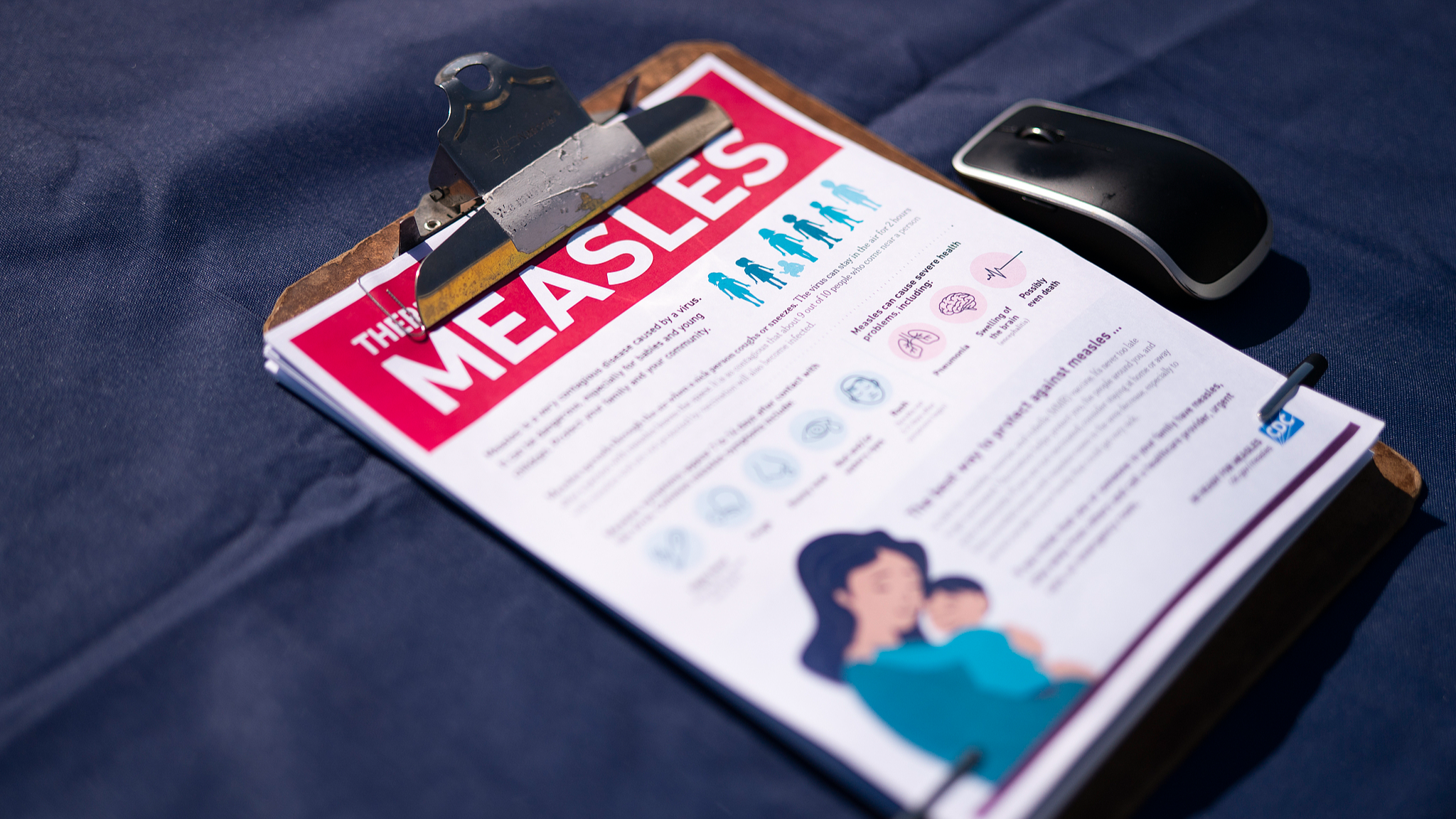
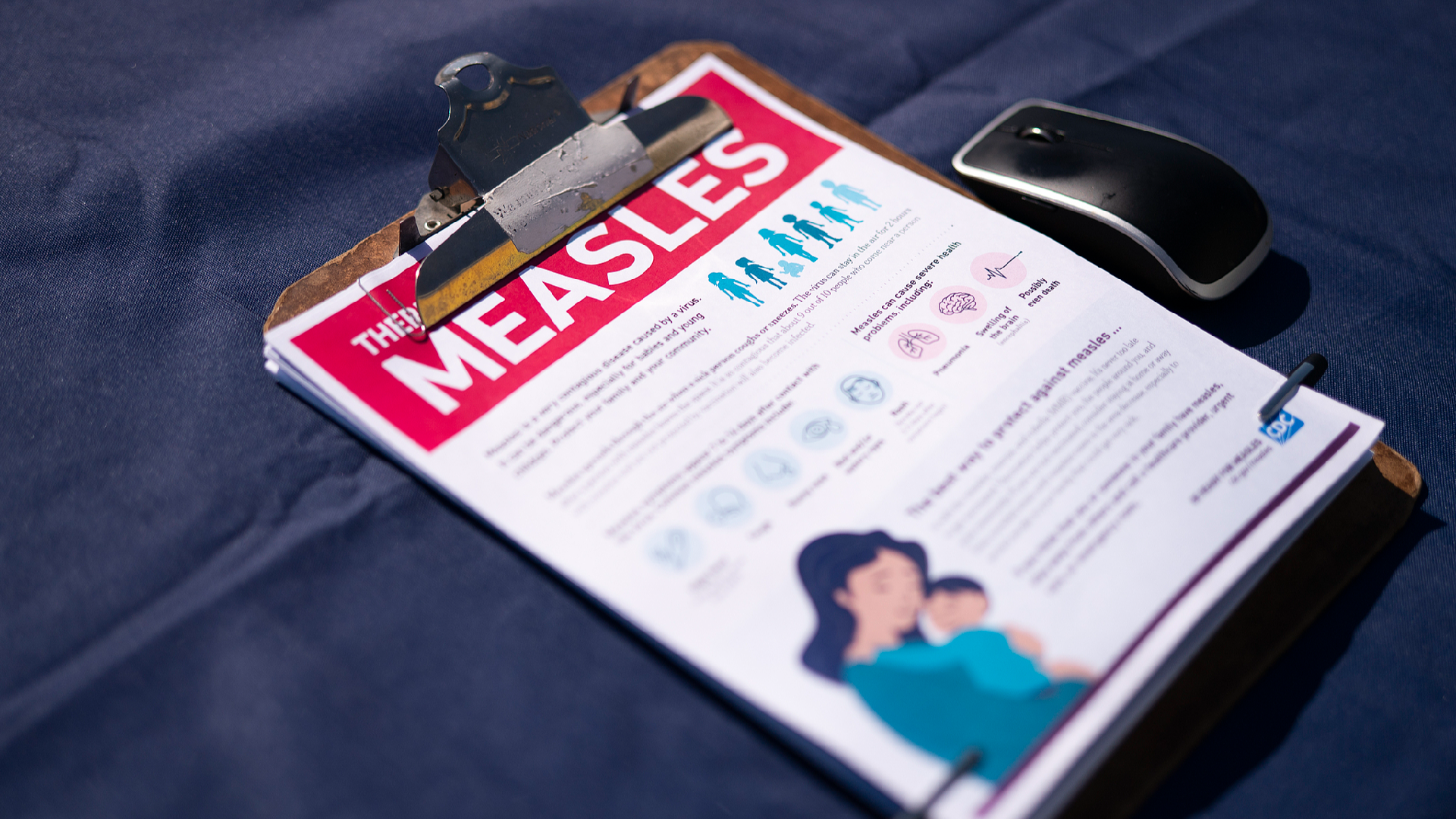

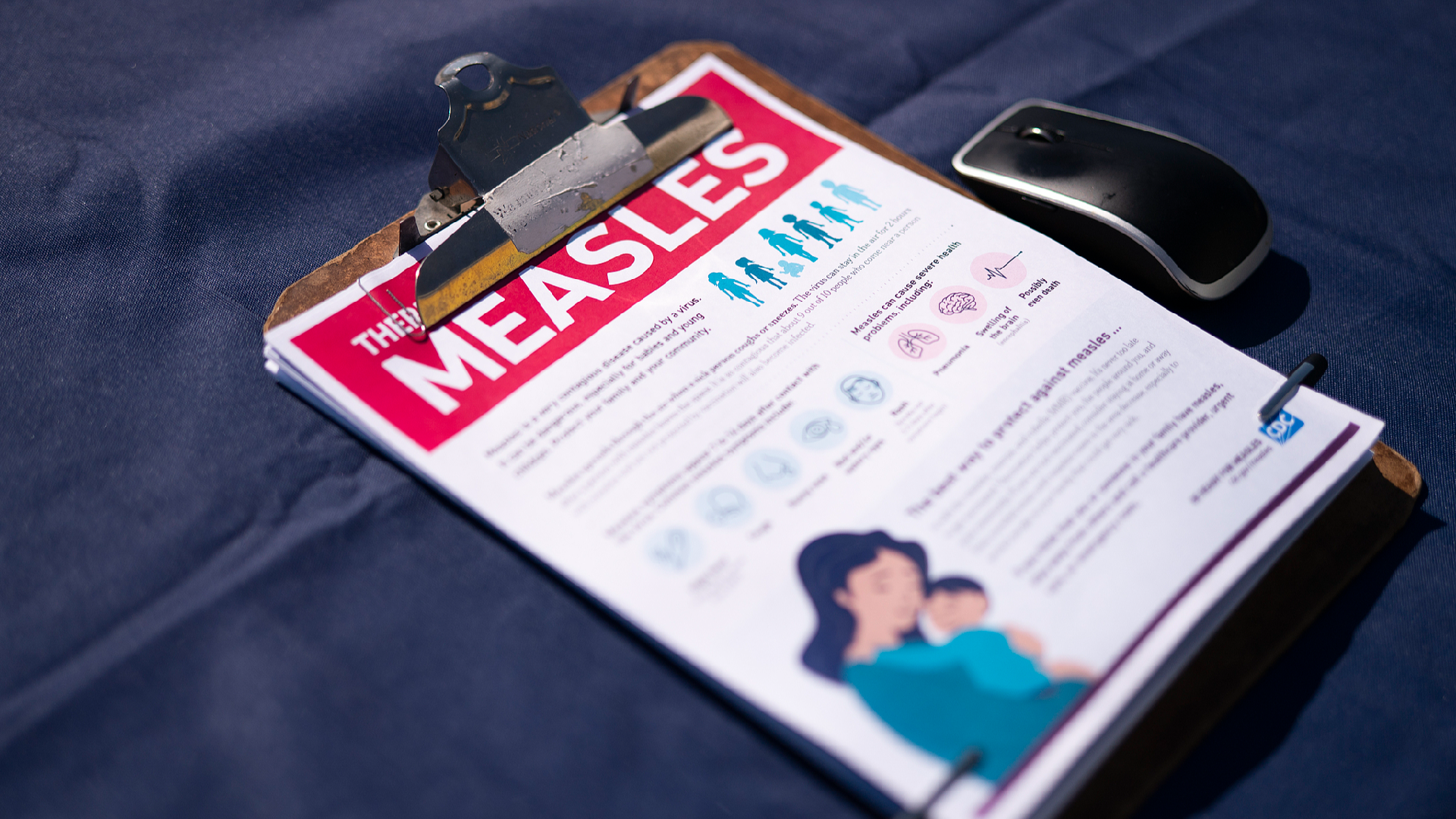
The United States is experiencing its worst measles outbreak in over three decades. As of October 8, 2026, the CDC confirmed 4,080 measles cases nationwide—nearly double the 2,289 cases reported throughout 2025 and the highest annual total since 1991. The outbreak spans 47 jurisdictions with 42 active outbreaks, affecting multiple states including Pennsylvania, Texas, Utah, South Carolina, and New York.
Pennsylvania has emerged as the epicenter of the outbreak, reporting 1,136 confirmed cases, 219 hospitalizations, and 5 deaths—marking the state's largest measles outbreak in over 30 years. New York has declared a statewide disaster emergency after confirming 108 cases and has expanded testing and vaccination access. Of the national total, 4,062 cases were reported from U.S. jurisdictions, with 18 cases involving international visitors.
Low vaccination coverage is the primary driver of spread. The CDC reports that 95 percent of confirmed cases occurred in unvaccinated individuals or those with unknown vaccination status. Children and teenagers aged 5 to 19 account for 42 percent of all cases, the largest demographic share, while adults aged 20 and older represent 40 percent. A total of 414 patients have been hospitalized—approximately 10 percent of confirmed cases—representing a significant increase from 244 hospitalizations reported in 2025.
Measles, a highly contagious airborne respiratory illness, was declared eliminated in the United States in 2000, meaning the disease was no longer continuously spreading domestically. The current resurgence reflects declining vaccination rates in pockets of the country. The CDC emphasizes that the measles, mumps and rubella (MMR) vaccine remains the most effective protection and notes that vaccination rates exceeding 95 percent in a community are necessary to achieve herd immunity.
Why This Matters
The United States has recorded 4,080 measles cases as of October 8, 2026—nearly double the 2025 total and the highest since 1991. With 414 hospitalizations (10% of cases), 5 deaths in Pennsylvania, and ongoing transmission across 47 jurisdictions, public health systems face resource strain for testing, vaccination outreach, and clinical care. Low vaccination coverage (95% of cases in unvaccinated populations) in specific regions indicates potential for continued spread unless vaccination rates reach herd immunity thresholds (>95% community-level coverage). School closures, emergency declarations, and expanded public health interventions are already deployed; sustained transmission could affect healthcare capacity and childhood disease epidemiology patterns.
Timeline & Sources
Jan 1, 2000
WireMeasles declared eliminated in the United States
Jan 1, 2025
Wire2,289 measles cases reported for the year
Oct 8, 2026
WireCDC reports 4,080 confirmed measles cases as of this date
Oct 9, 2026
WirePennsylvania reports 1,136 cases with 5 deaths; New York declares disaster emergency