
Geo
Published Aug 10, 2026Updated Aug 11 Major3
100%
Iran Appoints Hard-Line IRGC Chief to Top Security Post Amid Strait Talks
Iran appointed hard-line IRGC veteran Mohsen Rezaei as secretary of its Supreme National Security Council on August 10, 2026, granting him dual authority as both administrative secretary and the supreme leader's representative on the council. The reshuffle occurs amid ongoing Oman-Iran negotiations over the Strait of Hormuz and regional conflict with the US and Israel.
Quick Facts
- Appointment of Rezaei as secretary of Supreme National Security Council
- Appointment of Rezaei as Supreme Leader's representative on council
- Replacement of Mohammad Bagher Zolghadr
- Zolghadr appointed as political adviser to Supreme Leader
- Ongoing negotiations with Oman over Strait of Hormuz
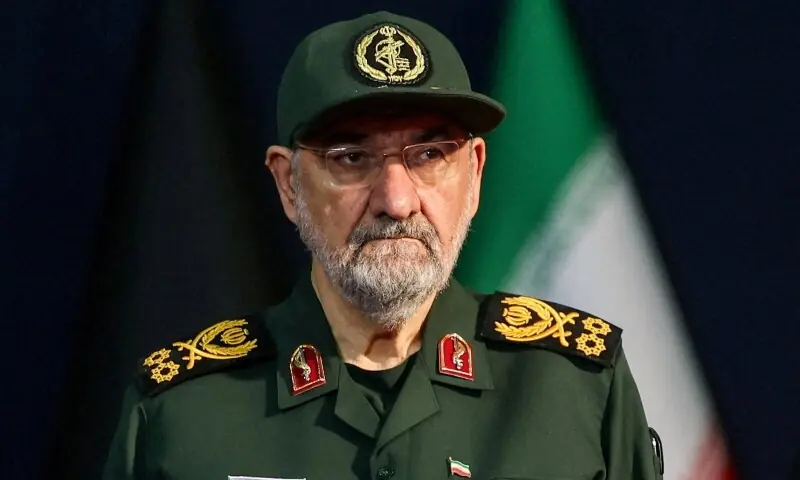

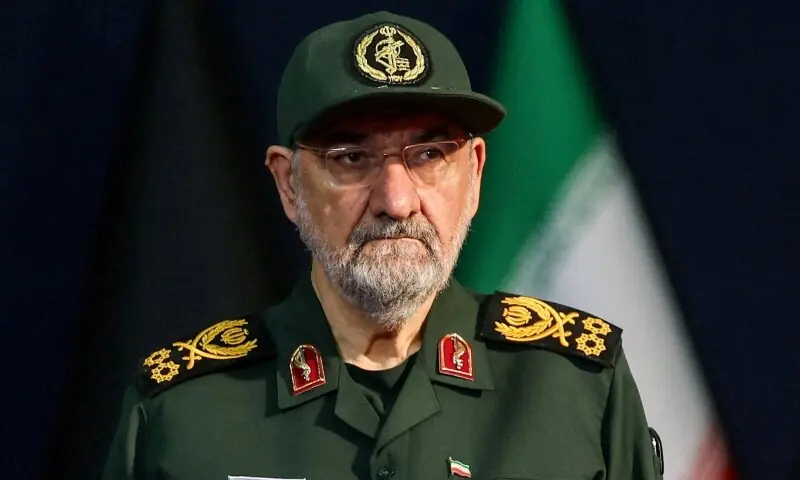


Iran has appointed Mohsen Rezaei, 71, a former commander of the Islamic Revolutionary Guard Corps (IRGC), as secretary of the Supreme National Security Council (SNSC), the country's top defence and foreign policy decision-making body. The appointment on August 10, 2026, marks a significant leadership reshuffle occurring amid ongoing negotiations with Oman over the Strait of Hormuz and heightened tensions in the region.
Rezaei, who led the IRGC from 1981 to 1997 during the Iran-Iraq War, replaces Mohammad Bagher Zolghadr, who has been appointed as a political adviser to Supreme Leader Mojtaba Khamenei. The vacancy followed the assassination of former SNSC secretary Ali Larijani in a US-Israeli strike in March. Crucially, Rezaei has been given a dual mandate: he serves both as the council's secretary and as Supreme Leader Khamenei's personal representative on the council—a combination that grants him greater institutional authority than his predecessor. This dual role gives him control over the council's secretariat machinery and a direct vote on policy decisions, creating a more powerful position than Zolghadr held.
The timing reflects internal negotiation within Iran's leadership. Sources indicate that President Masoud Pezeshkian initially expressed reluctance to appoint Rezaei, but a rare meeting between the president and the supreme leader resolved the dispute, after which Khamenei issued his appointment decree and Pezeshkian followed with his own appointment of Rezaei as secretary.
Rezaei has been publicly engaged in current regional tensions, linking military deterrence to diplomacy. He has stated that Iranian control of the Strait of Hormuz—through which roughly one-fifth of global oil and gas passes—is worth more than "dozens of atomic bombs" and warned the US it would "face serious risks and casualties" if its naval blockade of Iranian ports continues. Iran has imposed a counter-blockade on the strait in response to the US-Israel conflict that began in February. Analysts note that while Rezaei's appointment signals a potential shift in how security decisions are processed and who holds authority, both he and his predecessor have shared similar strategic objectives regarding the strait, viewing Iranian control as a sovereign right and key leverage against Washington. The appointment coincides with Iran's stated assessment that a deal with Oman over the waterway is "very close," though no final arrangement has yet been announced.
Why This Matters
Rezaei's dual mandate as both SNSC secretary and Supreme Leader's representative concentrates authority over Iran's defence and foreign policy decision-making—the council that sets strategy on Strait of Hormuz control, regional military deterrence, and negotiations with Oman. Through which ~20% of global oil and gas transit, the strait's status affects energy markets and shipping routes. His public statements linking Iranian control of the waterway to strategic leverage against the US, combined with Iran's counter-blockade since February, directly shape negotiations over passage rights and potential shipping lane restrictions affecting international trade. The timing during active Oman talks suggests this structural shift may alter how quickly Iran can move on a waterway agreement.