
Emerging
Published Jun 18, 2026Updated Jun 191
69%
Draft of US-Iran Ceasefire Agreement Leaks: 14-Point Plan to End Conflict
A leaked draft of a US-Iran ceasefire agreement reveals a 14-point plan to end the conflict, including an immediate ceasefire, the reopening of the Strait of Hormuz, and the lifting of sanctions. The agreement also provides for $300 billion in development funds for Iran in exchange for nuclear commitments, but does not address stockpiled enriched uranium.
Quick Facts
- Leaked draft of 14-point ceasefire agreement
- Agreement includes immediate ceasefire
- Agreement includes reopening of Strait of Hormuz
- Agreement includes lifting of economic sanctions
- Agreement includes $300 billion development fund

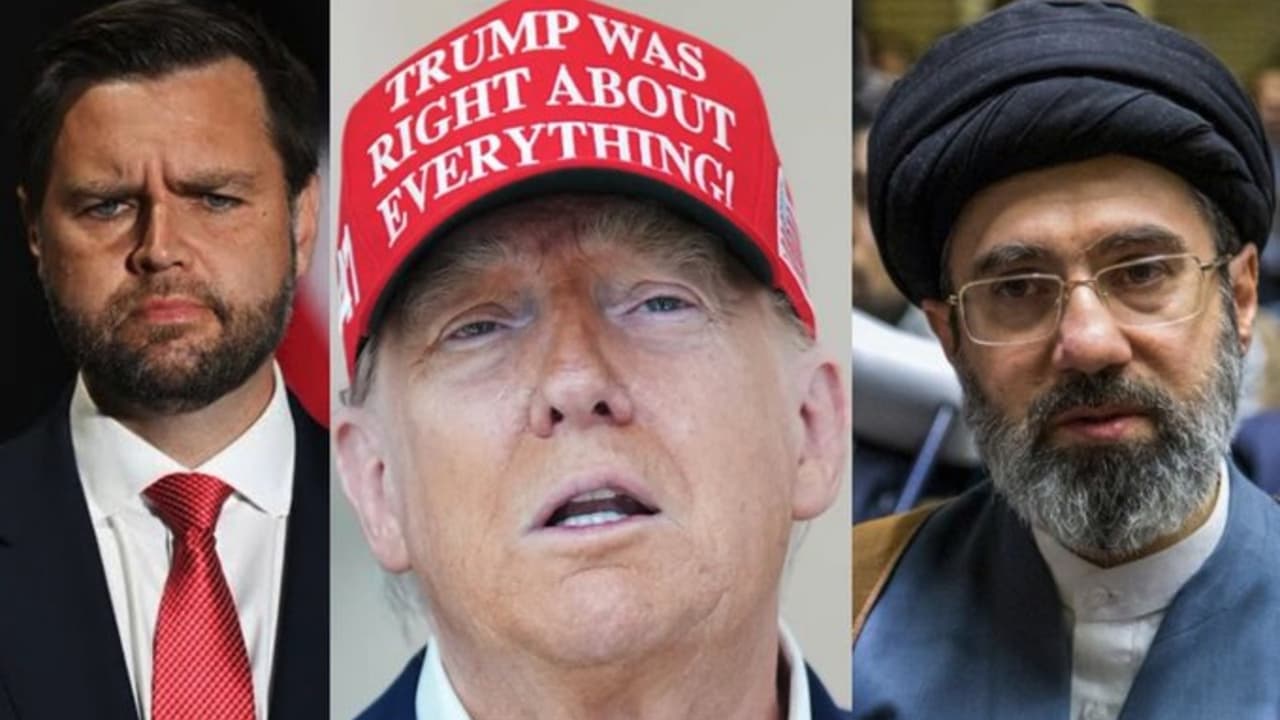
A draft of a 14-point memorandum of understanding outlining a potential ceasefire between the United States and Iran has been leaked, revealing key terms to end the ongoing conflict. The document, which has not been officially released, was reportedly obtained by CNN from a US official and has been confirmed by a diplomat who saw it during the G7 summit in France, as well as two other diplomatic sources. The draft, which is said to have been digitally signed by US President Donald Trump, Vice President JD Vance, and Iranian Parliament Speaker Mohammad Bagher Ghalibaf, details steps to halt hostilities, lift sanctions, and secure the reopening of the Strait of Hormuz.
According to the draft, the agreement calls for an immediate ceasefire across all fronts, including Lebanon, and commits both nations to respecting each other's sovereignty and territorial integrity. It stipulates that the US will lift its naval blockade and remove obstructions to Iranian shipping within 30 days, while Iran is tasked with restoring commercial traffic through the Strait of Hormuz. The draft also outlines a gradual lifting of all sanctions against Iran, including those imposed by the UN Security Council, the International Atomic Energy Agency, and unilateral US measures.
Under the agreement, the US and its regional partners would establish a comprehensive plan to secure at least $300 billion in financial aid for Iran's economic development and reconstruction. In exchange, Iran affirms it will never produce nuclear weapons. However, the draft does not specify how to handle Iran's stockpiled enriched uranium. US officials noted that the document is a political framework and does not include crucial decisions from secret bilateral negotiations regarding the future of Iran's nuclear program.
The White House has declined to comment on the leaked draft, while Iran's official news agency, Tasnim, has dismissed the document as inaccurate. The draft is expected to be signed on Friday, after which both sides will have 60 days to negotiate and finalize a definitive agreement. Edits may be made before the final document is sealed.
Why This Matters
This leak reveals the contours of a potential US-Iran deal that could reshape global energy markets and regional security. For investors and policymakers, the immediate ceasefire and Strait of Hormuz reopening would lower oil prices and reduce shipping risks. The $300 billion development fund signals a major economic shift, but the omission of enriched uranium stockpiles means nuclear proliferation risks remain unresolved, keeping long-term geopolitical uncertainty alive.
Timeline & Sources
Jun 18, 2026
WireArticle published on Asianet News Malayalam