
Emerging
Published Jun 23, 2026Updated Jun 24 Major3
92%
2026 World Cup Format Creates Early Eliminations and Strategic Fairness Concerns
The 2026 World Cup's new format featuring head-to-head tiebreakers and third-place qualification has caused eight teams to be eliminated or advance after just two matches. Scheduling disparities and dead-rubber games have raised concerns about competitive fairness and strategic gaming of final group matches.
Quick Facts
- 2026 World Cup expanded to 48 teams in 12 groups of four
- Head-to-head records adopted as primary tiebreaker instead of goal difference
- Eight best third-placed teams qualify to knockout rounds
- Eight teams eliminated or advanced after two matches
- Dead-rubber matches created between group winners and eliminated teams

The 2026 FIFA World Cup's expanded 48-team format, organized into 12 groups of four, has introduced significant structural changes that are already reshaping competition dynamics. The tournament features two key modifications: head-to-head records as the primary tiebreaker instead of goal difference, and qualification for the eight best third-placed teams. These changes have produced an unusual number of dead-rubber matches and early eliminations that are unprecedented in modern World Cup history.
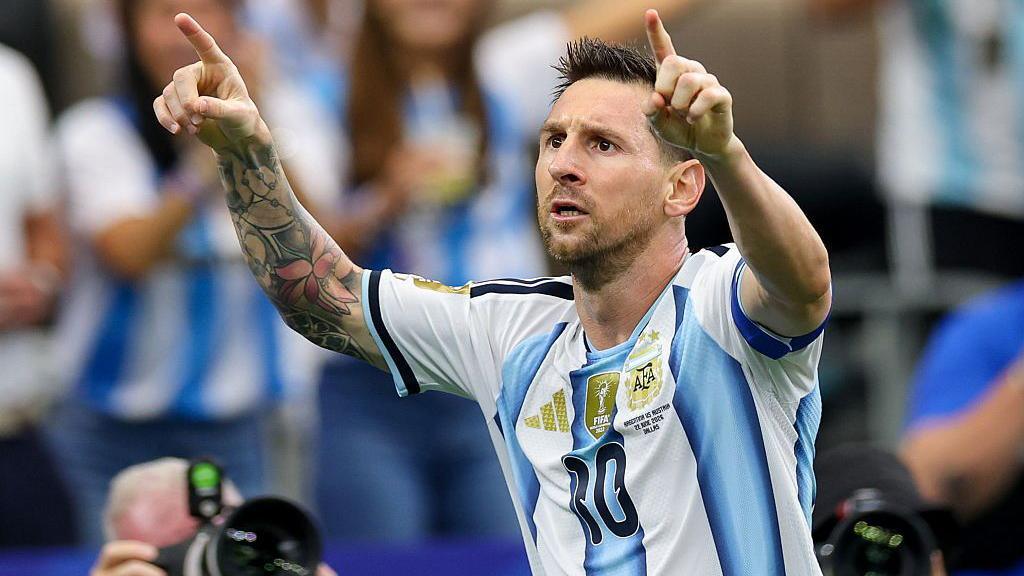
After just two matches, eight teams have already been eliminated or secured advancement, a rate significantly higher than in previous tournaments. Teams such as Argentina, Mexico, USA, and Germany have clinched group wins, while Jordan, Turkey, Haiti, and Tunisia have been mathematically eliminated. This occurs because head-to-head records allow teams to secure first place or face elimination before the final matchday, rendering their third match meaningless. The 2022 World Cup saw only two teams eliminated after two rounds; by comparison, this expanded format has already produced four times that number.
The scheduling structure has created inherent fairness disparities. The final round of group matches spans five days, meaning early-playing teams like Scotland face Brazil without knowing the points threshold required to qualify as a third-place team, while teams playing later in the week have complete information. This information asymmetry gives later-playing teams a strategic advantage in determining their approach and lineup decisions. Additionally, teams with nothing to play for—such as Argentina versus Jordan and USA versus Turkey—may field weakened squads, potentially affecting the competitive integrity of matches.
While head-to-head tiebreaking is standard in UEFA competitions including the Euros, its application in a 48-team World Cup with third-place qualifications has created anomalies unseen in previous competitions. Historical analysis shows that if head-to-head and third-place qualification rules were applied to the 2022 World Cup, five additional teams would have been affected by early eliminations or advancement. Some analysts note that a team could theoretically have a strong enough record to qualify but finish fourth in their group due to head-to-head disadvantage, while a third-place team with worse overall goal difference advances instead.
FIFA's format was adopted after the initial plan of 16 three-team groups proved unworkable due to scheduling concerns and collusion risks. The current 12-group structure with third-place qualification was intended to accommodate the expanded field while maintaining knockout bracket functionality. However, the combination of these rule changes has already prompted debate among football observers about whether the expanded format has adequately balanced competitive fairness with the practical requirements of a larger tournament.
Why This Matters
The 2026 World Cup format fundamentally alters competitive dynamics in ways that directly affect tournament outcomes and team strategies. Teams now face early mathematical elimination or advancement after just two matches, creating strategic advantages for teams playing later in the group stage who have complete information about qualification thresholds. This disparity in information access and the prevalence of dead-rubber matches compromise competitive integrity, making fairness and transparency central issues for fans, teams, and governing bodies planning to participate in or broadcast this high-stakes tournament.
Timeline & Sources
Jan 1, 2017
WireFIFA announced World Cup expansion to 48 teams
Jan 1, 2020
WireInitial plan for 16 groups of three teams proposed
Jun 23, 2026
WireSecond round of group matches concludes; eight teams already eliminated or advanced
Jun 25, 2026
WireFinal round of group matches begins; United States vs Turkey becomes dead rubber