
Geo
Published Jul 11, 2026Updated Jul 12 Major4
100%
Ukraine establishes Long-Range Strike Command to degrade Russian war capacity
Ukraine established a Long-Range Strike Command on July 10 to coordinate intensified strikes on Russian energy infrastructure and logistics. The move follows months of drone attacks that have damaged roughly 50 fuel vessels and forced Russia to ban diesel exports and restrict shipping. Russia responded with missile attacks on Ukrainian cities and temporary closure of key shipping channels.
Quick Facts
- Decree signed establishing Long-Range Strike Command
- Drone strikes on Ilsky oil refinery, Ust-Luga oil complex, Rostov oil facilities
- Attacks on 50 fuel vessels in five days
- Russia banned diesel exports
- Temporary closure of Don-Azov Channel and Kerch Strait
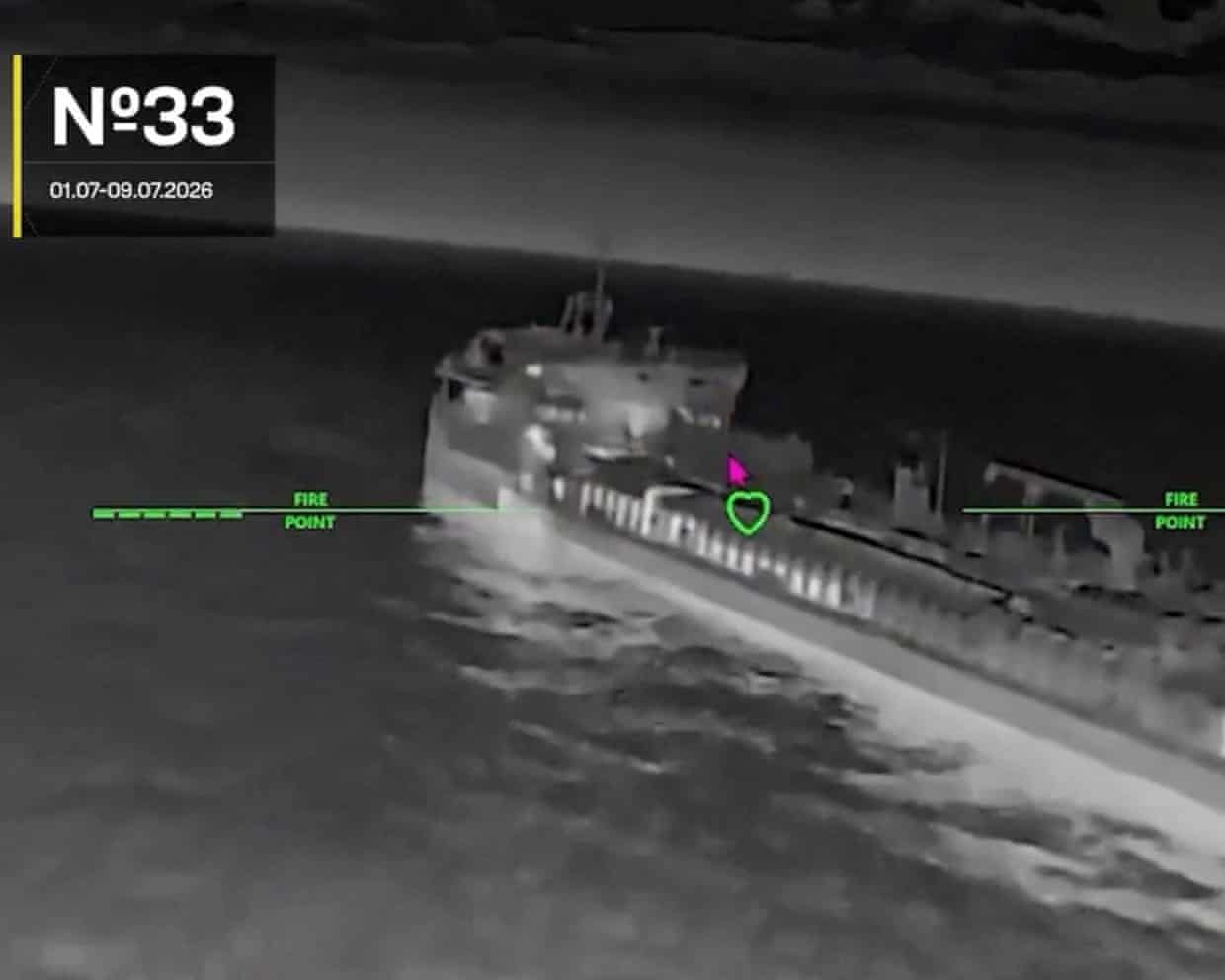
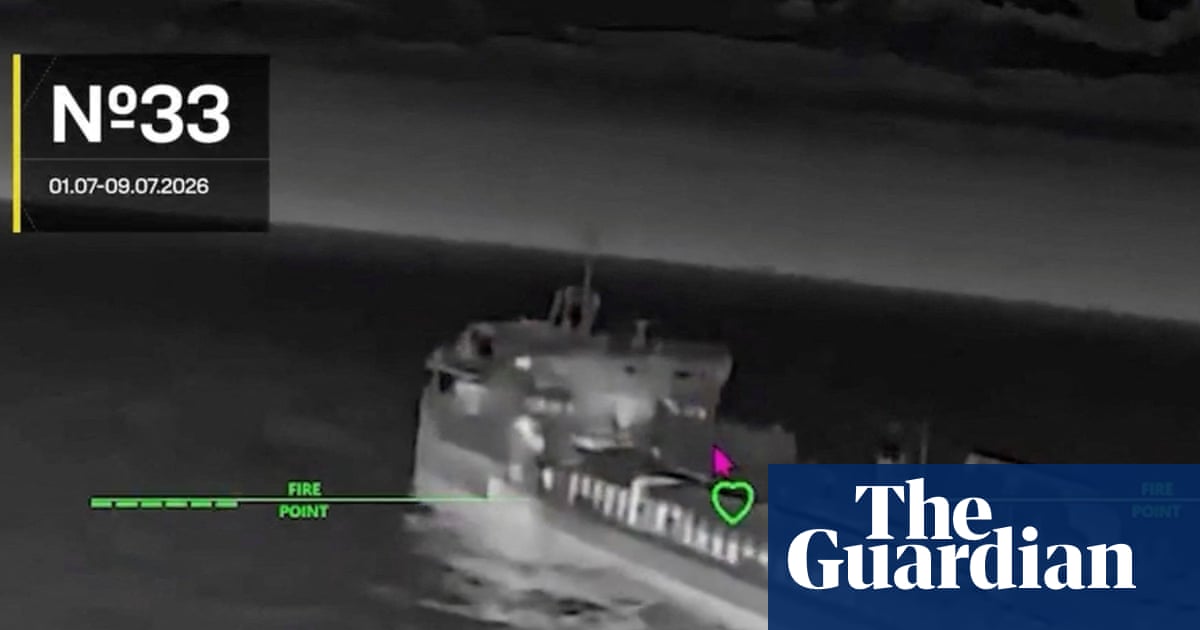
President Volodymyr Zelenskyy signed a decree on July 10 establishing a Long-Range Strike Command within Ukraine's Armed Forces, designed to coordinate and intensify strikes against Russian infrastructure. In a national address, Zelenskyy stated the command must concentrate "100% of available resources" to further reduce Russia's ability to wage war. The decree instructs Ukraine's defence minister and military commander-in-chief to nominate a senior commander for the new unit, which will focus on enhancing the effectiveness of long-range strikes and undermining Russian military potential.
The command formalizes Ukraine's sustained drone campaign targeting Russian energy infrastructure across vast distances. On July 10 alone, Ukrainian forces struck the Ilsky oil refinery in Krasnodar, the Ust-Luga oil complex in the Leningrad region, and oil facilities in Rostov. According to Robert Brovdi, commander of Ukrainian drone forces, Ukrainian attacks have damaged approximately 50 fuel vessels in the preceding five days, including 10 tankers in the Sea of Azov. These strikes have targeted Russia's "shadow fleet"—vessels used to circumvent international sanctions on Russian oil.
Russia has responded with defensive economic measures. Moscow banned diesel exports this week to preserve domestic fuel supplies and temporarily halted shipping through the Don-Azov Channel, a waterway that carries an estimated quarter of Russia's wheat exports. Russia also temporarily closed the Kerch Strait, which links the Sea of Azov to the Black Sea, following Ukrainian attacks on Russian vessels. These restrictions signal economic strain from the campaign.
Russia escalated attacks on Ukrainian territory in response. On July 11, Russian forces launched six ballistic missiles, six cruise missiles, and 121 unmanned aircraft against Ukraine, wounding six civilians in Kyiv, killing two in Odesa, and injuring seven in Kharkiv. Ukrainian air defences intercepted at least two cruise missiles and 111 drones, according to Ukrainian air force statements.
The strategic initiative reflects broader diplomatic shifts. US Senator Lindsey Graham, visiting Kyiv, stated that China could play a decisive role in pressuring Russia toward peace talks. Graham announced that four US senators had reached agreement with the Trump administration on revised Russia sanctions legislation targeting countries purchasing Russian energy, with the bill expected to become law. Graham suggested that bolstering Ukraine's military capabilities while aligning sanctions with diplomatic efforts could force Moscow to negotiate, describing a window for diplomatic resolution in the coming months.
Why This Matters
Ukraine's formalization of long-range strike operations signals a strategic shift from reactive defense to coordinated degradation of Russian military logistics. By systematically targeting fuel supplies and shipping infrastructure—particularly the shadow fleet circumventing sanctions—Ukraine aims to erode Russia's capacity to sustain operations. The U.S. sanctions coordination announced by Senator Graham suggests alignment between military pressure and diplomatic leverage, creating potential space for negotiation if Russia's economic costs mount sufficiently.
Timeline & Sources
Jul 10, 2026
WireZelenskyy signs decree establishing Long-Range Strike Command
Jul 10, 2026
WireUkraine strikes Ilsky refinery, Ust-Luga complex, and Rostov oil facilities
Jul 11, 2026
WireRussia temporarily halts shipping through Don-Azov Channel
Jul 11, 2026
WireFour US senators announce agreement with Trump administration on revised Russia sanctions bill
Sources
- Ukraine war briefing: Zelenskyy creates ‘long-range impact’ command to strike Russian energy sectorThe GuardianMediaJul 11, 2026
- Long-Range Strike Command to be established within Ukrainian Armed ForcesУкраїнська правдаMediaJul 11, 2026
- 乌克兰成立远程打击司令部 推进对俄深入打击zaobaoMediaJul 11, 2026
- ウクライナ軍 ロシア領内への長距離攻撃に特化した特別司令部新設へ ドローンや砲兵の能力を組み合わせた統合即応部隊も創設 ロシア軍はキーウを攻撃TBS NEWS DIGMediaJul 11, 2026