
Geo
Published Jun 26, 2026Updated Jun 28 Major3
89%
First Lady Tinubu's Low-Capital Business Comments Ignite Debate Over Economic Policy and Communication
First Lady Remi Tinubu's comments encouraging low-capital businesses like selling akara and corn have divided Nigeria. Supporters praise her pragmatic focus on entrepreneurship for vulnerable populations, while critics argue that hyperinflation and oversaturation make such ventures unsustainable and that the government should pursue structural economic reforms instead.
Quick Facts
- First Lady made remarks encouraging low-capital businesses
- she cited government grants and support programmes
- remarks sparked national debate with divided reactions
- critics questioned the viability of such ventures given hyperinflation
- supporters defended entrepreneurship as pragmatic and dignified



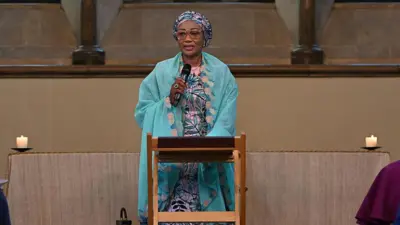
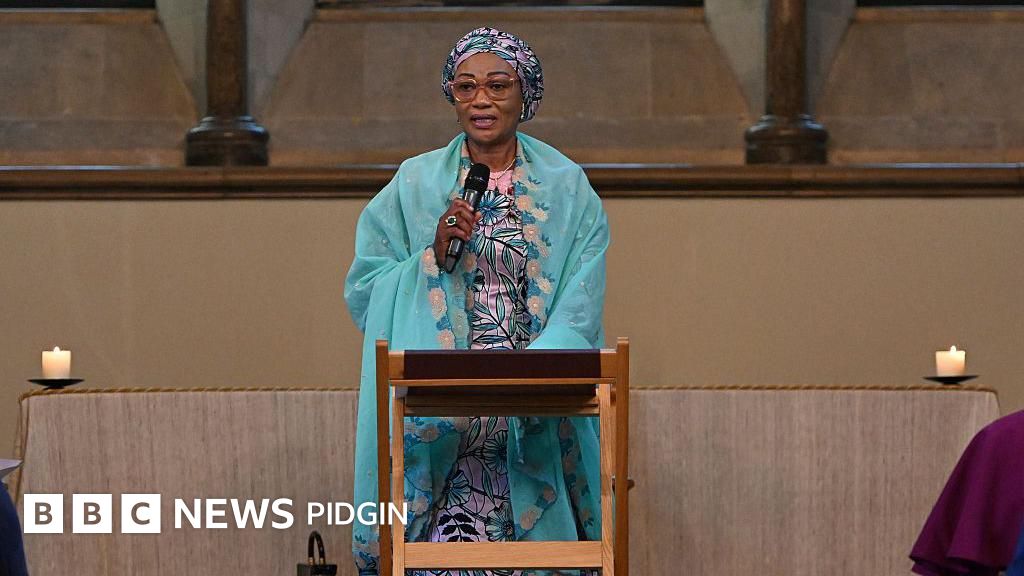
Nigeria's First Lady Senator Oluremi Tinubu sparked a polarised national debate after remarks on 24 June encouraging vulnerable citizens to start low-capital businesses such as selling akara (bean cakes), roasted corn, and kuli-kuli. Speaking following a Renewed Hope Initiative meeting with state governors' wives at the State House in Abuja, Mrs Tinubu noted that such ventures require minimal investment and cited government grants and support programmes including scholarships, ICT training, and agricultural investment initiatives.
Supporters of the First Lady's remarks argue that she was promoting pragmatic entrepreneurship and self-reliance for vulnerable populations, particularly women and widows targeted by the Renewed Hope Initiative. They contend that the informal food sector sustains millions of Nigerian households and that her comments were illustrative examples rather than a comprehensive economic policy. Defenders also highlight the dignity of such work, noting that many successful professionals and families were historically sustained through similar micro-enterprises.
Critics, however, contend that the remarks reveal a significant disconnect from Nigeria's macroeconomic realities. They argue that hyperinflation has eliminated the notion of truly "low-capital" businesses, as the costs of basic inputs—beans, vegetable oil, charcoal, and cooking gas—have become prohibitively expensive. Analysts warn that even if individuals manage to establish such ventures, oversaturation of the market combined with diminished consumer purchasing power creates unsustainable conditions. Many young Nigerians expressed frustration that the government should focus on structural economic reforms, manufacturing, and technology rather than directing citizens toward subsistence-level street trading.
A commentary published in ThisDayLive acknowledged the validity of the First Lady's core message while emphasising that her remarks were poorly framed given Nigeria's economic hardship. The piece argues that while entrepreneurship deserves promotion, leadership communication during difficult times requires careful attention to empathy, context, and timing. It notes that a single statement in the digital age can dominate news cycles while subsequent explanations rarely achieve equivalent reach.
The debate underscores a broader tension in Nigeria between immediate poverty alleviation through informal enterprise and the need for systemic economic reforms. While the Renewed Hope Initiative programme remains focused on targeted support for vulnerable groups, the national conversation reflects differing views on whether micro-trading represents genuine economic opportunity or an inadequate response to structural economic crisis.
Why This Matters
The First Lady's remarks highlight a fundamental policy tension in Nigeria: whether targeted support for informal micro-enterprises represents genuine economic opportunity for vulnerable populations or reflects inadequate government response to systemic economic crisis. The debate reveals how leadership communication during economic hardship can either mobilize hope or provoke backlash, with implications for public trust and policy direction. Understanding this divide is critical for assessing whether Nigeria's poverty-alleviation strategy addresses root causes or postpones structural reform.
Timeline & Sources
Jun 24, 2026
WireFirst Lady Remi Tinubu made remarks encouraging low-capital businesses at Renewed Hope Initiative meeting with state governors' wives at State House, Abuja
Jun 26, 2026
WireVideo of First Lady's comments went viral on social media; BBC published article documenting divided Nigerian reactions
Jun 28, 2026
WireTheCable and ThisDayLive published analytical pieces examining the debate over economic policy and communication framing
Sources
- Remi Tinubu video on selling akara, kulikuli and corn: 'To start akara business no cost plenty money' - First Lady Remi Tinubu comments make Nigerians paraBBCMediaJun 26, 2026
- Remi Tinubu’s ‘akara’ debate: Where micro-survival meets macroeconomic realityTheCableMediaJun 28, 2026
- THE FIRST LADY WAS MISUNDERSTOODTHISDAYLIVEMediaJun 28, 2026