
Emerging
Published Jun 18, 2026Updated Jun 191
59%
World Autistic Pride Day: A Celebration of Neurodiversity and Acceptance
World Autistic Pride Day, celebrated on June 18, promotes the acceptance of autistic individuals by highlighting neurodiversity as a valuable aspect of human variation. Expert Maria Lina Azevedo emphasizes that autism is a broad spectrum with diverse profiles and needs, and that the mistaken view of a single autistic profile remains a significant barrier to overcome.
Quick Facts
- Celebration of World Autistic Pride Day
- Recognition of neurodiversity
- Emphasis on autism as a spectrum of different profiles
- Call for acceptance and removal of stereotypes
- Advocacy for early intervention and support

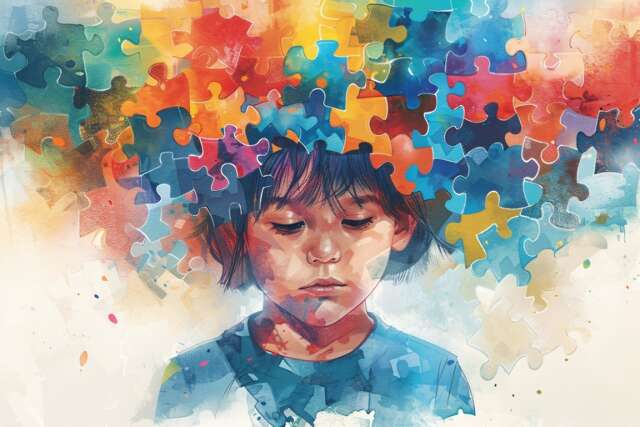



Celebrated annually on June 18, World Autistic Pride Day marks a shift from awareness of limitations to recognition of human diversity in all its forms. The movement emphasizes that autistic individuals do not need to conform to predefined standards to be accepted; they have their own ways of thinking, feeling, learning, and interacting with the world—characteristics that enrich the concept of neurodiversity.
According to child neurologist Maria Lina Azevedo of the University Hospital Maria Aparecida Pedrossian (Humap-UFMS), one of the main barriers still faced is the misconception that there is a single profile of an autistic person. "Autism does not have a single 'face.' There is a broad spectrum of possible signs and symptoms. We have people who need support for basic daily activities as well as those who start families, develop careers, and have full autonomy," she explains.
Autism Spectrum Disorder (ASD) is a neurodevelopmental condition characterized by differences in communication, social interaction, and specific patterns of behavior and interests. The specialist reinforces that autism is not a disease, so there is no cure. Instead, support, guidance, and interventions can enhance autonomy and quality of life. Early intervention is crucial, as it takes advantage of a period when the brain is most adaptable.
Beyond structural difficulties such as a shortage of specialized professionals and long waiting lists for therapies, prejudice remains one of the most silent challenges. Many autistic individuals are seen only through their limitations, when they could also be recognized for their skills, creativity, concentration, sensitivity, and unique ways of understanding the world. It is against this reductionist view that the concept of neurodiversity gains strength, proposing that different brain functions are not errors to be corrected but legitimate expressions of human diversity.
The debate on autism has gained space in schools, social media, and workplaces, yet many families still face obstacles. True inclusion happens when schools adapt environments to reduce excessive stimuli, when companies create real job opportunities, when educators receive adequate training, and when society learns to replace judgment with understanding.
Why This Matters
This day shifts the narrative from deficit to diversity. For readers, it means understanding that autistic individuals do not need to fit a mold to be valued; they bring unique strengths. Recognizing this can improve inclusion in schools, workplaces, and communities, and counter prejudice that limits opportunities. The expert's call to see each autistic person as an individual - not a stereotype - is actionable for parents, educators, and employers seeking to create supportive environments.
Timeline & Sources
Jun 18, 2026
WireCelebration of World Autistic Pride Day and publication of article by Campo Grande News