
Emerging
Published Jun 18, 2026Updated Jun 182
67%
Multiple infant diaper brands face formamide contamination allegations amid brand denials and consumer backlash
Multiple infant diaper brands including Babycare, Huggies, and Bebebus face allegations of formamide contamination after independent testing and detection of the toxic substance in infant blood and urine samples. While all brands deny wrongdoing and claim compliance with national standards, parent outrage intensified when Babycare offered reward points for reposting denial statements, and many reported children suffered skin problems from product use.
Quick Facts
- Independent testing detected formamide in multiple infant diaper brands
- Formamide detected in infant blood and urine samples
- Reporter's blood formamide concentration nearly doubled after wearing tested diaper overnight
- All three brands issued denial statements claiming products comply with national standards
- Babycare offered membership points to parents who reposted denial statements


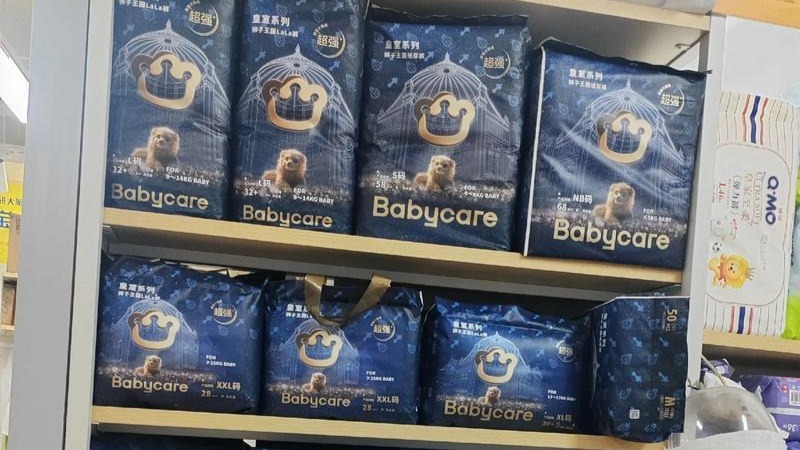

A product safety crisis has emerged in China's infant diaper market after Economic Reference News commissioned independent testing that detected formamide, a toxic substance, in multiple popular brands including Babycare, Huggies (好奇), and Bebebus (碧芭宝贝). The investigation also revealed that formamide was detected in blood and urine samples of some infants, with one reporter's blood formamide concentration nearly doubling after wearing a tested diaper overnight. Medical researchers from Shandong Province Public Health Clinical Center found formamide in numerous infant blood and urine samples, suggesting long-term accumulation from daily contact with products. The substance poses potential risks to liver and kidney function and may affect hormone metabolism and reproductive cell production.
All three implicated brands issued statements on June 18 defending their products. Babycare claimed its tested samples showed no formamide detection and stated compliance with Chinese national standards, while acknowledging that current standards do not set formamide limits. The company requested sample sources and testing methodologies from Economic Reference News and announced independent third-party testing under notarization. Huggies and Bebebus similarly denied formamide presence, emphasized strict quality control, and stated their own compliance testing showed no violations of national standards. However, brands acknowledged that while current Chinese standards do not require formamide monitoring, they have voluntarily aligned with EU REACH regulations for high-concern substances (SVHC).
The crisis deepened when parents reported receiving private messages from Babycare customer service offering membership points rewards for reposting the brand's denial statement. One mother, whose premature infant had suffered recurring diaper rash for two years despite using Babycare exclusively from birth, expressed outrage upon discovering the potential cause. When contacted by reporters, Babycare's official customer service confirmed the reward activity according to the disclosed chat records. This marketing tactic drew sharp criticism from parents who felt manipulated during a product safety crisis.
Parent complaints center on children developing persistent diaper rash and skin breakdown after using these products, with symptoms improving after discontinuation. Despite these reports, many parents expressed reluctance to pursue medical verification or legal remedies, citing concerns about burden of proof and lack of awareness about specialized testing facilities. The lack of a unified domestic testing standard has complicated verification efforts, as brands question the methodology used by Economic Reference News while parents lose confidence not only in specific brands but in the infant diaper market broadly.
The incident highlights a critical regulatory gap: while Chinese national standards for infant diapers do not currently establish formamide limits, the detection of this industrial chemical in infant bodily fluids suggests exposure pathways warrant urgent investigation. All three brands have committed to independent testing under third-party notarization and stated willingness to cooperate with regulatory authorities, though skepticism among consumers remains high given the marketing practices revealed during the crisis.
Why This Matters
This crisis directly impacts millions of families across China relying on infant diaper products for daily care. The detection of formamide—a toxic industrial chemical—in infant blood and urine samples signals potential long-term health risks to liver, kidney, and reproductive function. The regulatory gap (no formamide limits in Chinese national standards) combined with brands' apparent attempts to manipulate public perception through reward incentives underscores the urgent need for strengthened product safety oversight and transparent testing protocols. Parents face immediate decisions about product safety with limited verification tools, making this a critical consumer protection and regulatory accountability issue.