
Emerging
Published Jun 17, 2026Updated Jun 241
67%
Iran Frames US Accord as Victory While Citizens Seek Economic Relief
Iran's leadership is promoting a US-Iran accord as a diplomatic victory, but most Iranians assess its success by practical metrics—whether it reduces prices, stops military conflict, and eases sanctions—amid deep domestic divisions and significant economic hardship.
Quick Facts
- Iran and the US are forming a memorandum of understanding
- Iranian leadership frames the accord as a victory
- Hardline parliament members criticise the agreement as capitulation
- Negotiations scheduled to resume in Switzerland
- Israeli military operations in Lebanon continue despite accord
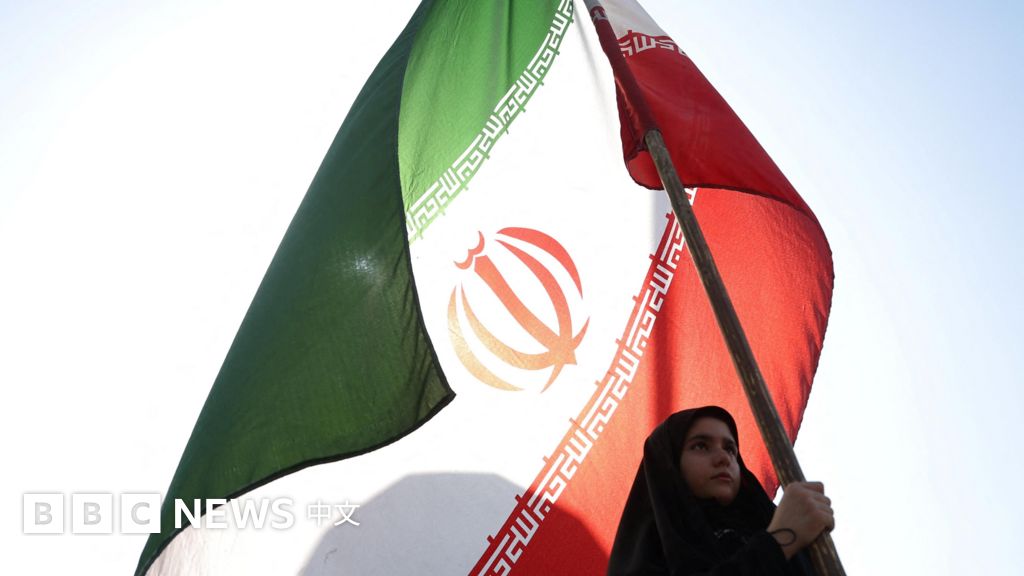

Iran's leadership is attempting to present a nascent memorandum of understanding with the United States as a triumph of resistance rather than retreat, even as the country grapples with severe economic hardship and deep internal divisions. Parliament Speaker Mohammad Bagher Ghalibaf, a key Iranian negotiator, declared that Iran had taken "an important step towards final victory," while President Masoud Pezeshkian described the accord as potentially transformative, capable of solving many of Iran's problems and creating "a different world" for Iran and the Middle East if fully implemented. Tehran's narrative frames the agreement as evidence that the US and Israel failed to achieve their primary objectives: forcing Iranian surrender, overthrowing the Islamic Republic, halting Iran's nuclear programme through military action, or severing ties with Hezbollah.
However, this official narrative faces significant domestic resistance. A hardline parliament member and deputy chair of the National Security Committee has condemned the draft accord as a document that would reduce Iran to a US colony, accusing negotiators of ignoring the Supreme Leader's directive not to reopen the Strait of Hormuz. For months, hardline voices in parliament, state-aligned media, and nightly pro-government rallies have condemned any compromise with Washington, particularly citing the Trump administration's use of negotiations as cover while preparing military operations. Yet these objections appear to have diminished, suggesting that Iran's power centre believes the cost of rejecting the agreement exceeds the cost of tolerating hardline anger. Ghalibaf's support is particularly significant as he is not considered part of Pezeshkian's moderate faction, indicating that powerful Revolutionary Guard elements also back the accord.
Economic necessity appears to be driving Iran's acceptance more than military posturing. The country has endured a destructive war, severe sanctions, shipping restrictions, reduced access to hard currency, extreme inflation, and limited oil market opportunities. US Vice President JD Vance stated that Iran would not receive US taxpayer funds but could access billions of dollars if it fulfils commitments and receives sanctions relief. For ordinary Iranian families, the accord's success depends not on whether it sounds like victory but on whether it can lower prices and reduce fears of renewed conflict. The government has packaged the agreement as a path toward investment and reconstruction rather than dependence on Washington.
Several major uncertainties cloud the agreement's future. The full memorandum details remain unpublished, with negotiations scheduled to resume in Switzerland on 19 June. Critical issues including Iran's uranium enrichment, verification mechanisms, sanctions relief, control of the Strait of Hormuz, and Lebanon's status remain unresolved. Israeli Prime Minister Benjamin Netanyahu has denied reports of troop withdrawal from southern Lebanon, insisting Israeli forces will remain as needed. Meanwhile, President Trump has publicly criticised Israeli operations in Lebanon, expressing displeasure at the timing of the Beirut attack relative to the Iran accord, though maintaining he has a good relationship with Netanyahu. This apparent US-Israeli friction could be advantageous for Tehran by constraining Israeli freedom of action, but it also renders the agreement fragile; if Israel continues operations in Lebanon, Iran faces pressure to respond, potentially testing Tehran's claims that Lebanon was included in the accord.
Public reaction in Iran reflects deep scepticism of official victory narratives. BBC Persian viewers expressed fears of Israeli retaliation, distrust of US commitment, and concerns about effective governance if the accord proceeds. Some initially supportive of US military action have questioned whether American attacks delivered political change, asking what benefit ordinary citizens received beyond "suffering, inflation and further economic damage." Conversely, some Iranians view Iran as having won, noting that sanctions relief was achieved through strength rather than supplication. Others cautiously welcome the agreement as providing temporary breathing space for resumed work and normal life. For most Iranians, the accord's true measure will not be rhetorical claims of victory but concrete outcomes: whether war stops, prices fall, sanctions genuinely ease, and leadership can stabilise the country without provoking further escalation.
Why This Matters
This accord represents a critical inflection point for Middle East stability and Iranian domestic politics. For ordinary Iranians, the agreement's legitimacy depends entirely on whether it delivers economic relief and prevents renewed conflict—not on official rhetoric. The unresolved details surrounding uranium enrichment, sanctions relief timing, and Israeli operations in Lebanon create significant execution risk; any perception of failed implementation could destabilize Iran's government and reignite regional tensions.