
Geo
Published Jul 31, 2026Updated Aug 13
95%
U.S., Israel Plan Major Weekend Strikes on Iran's Energy Infrastructure
The U.S. and Israel are preparing major bombing strikes against Iran's energy infrastructure, potentially beginning over the weekend. Although Israeli officials say they lack full coordination details, U.S. sources confirm Israel has been notified. President Trump has not yet given final approval, though military plans were discussed at a Friday cabinet meeting at Camp David.
Quick Facts
- Planning large-scale bombing campaign against Iran's energy infrastructure
- Targeting power plants and refineries
- Coordinating between U.S. and Israeli military
- Cabinet meeting discussing military strike plan
- Discussions about cutting electricity to Tehran
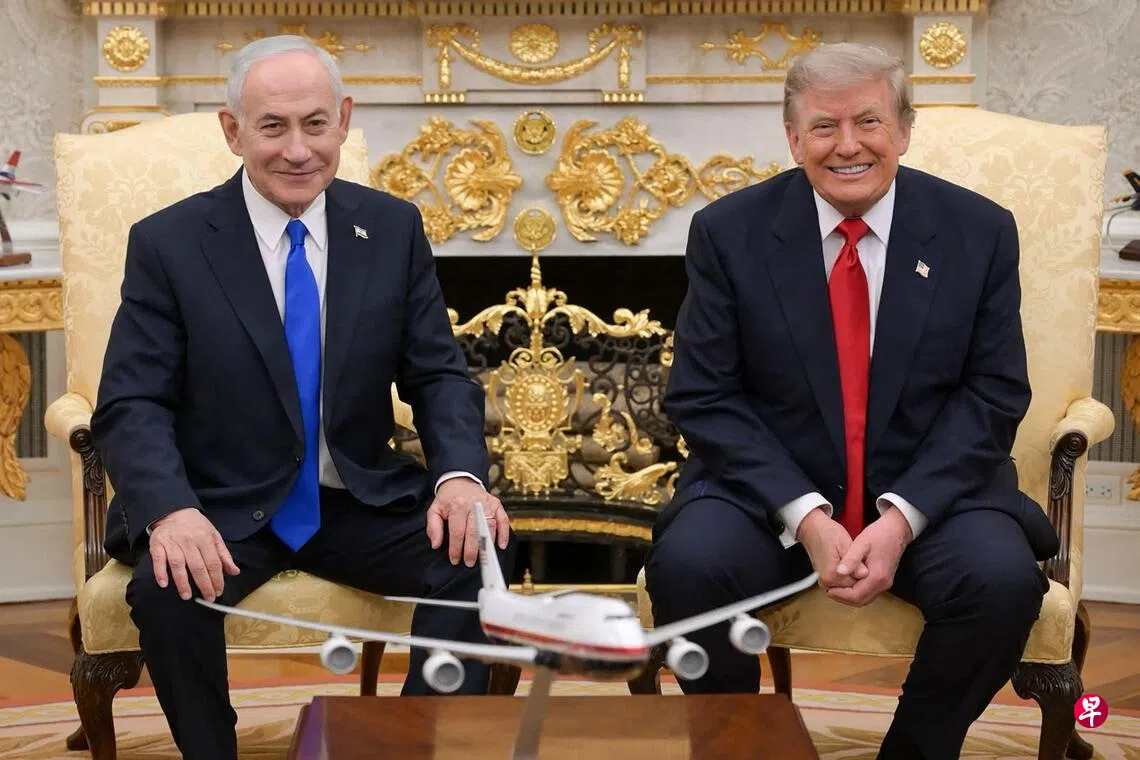

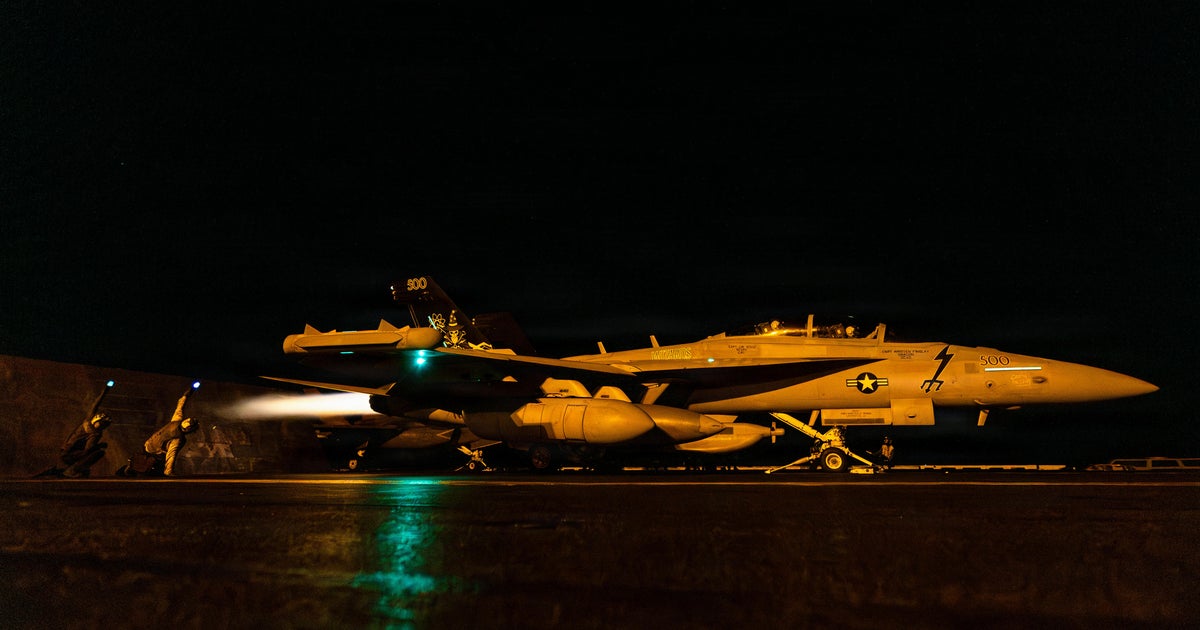
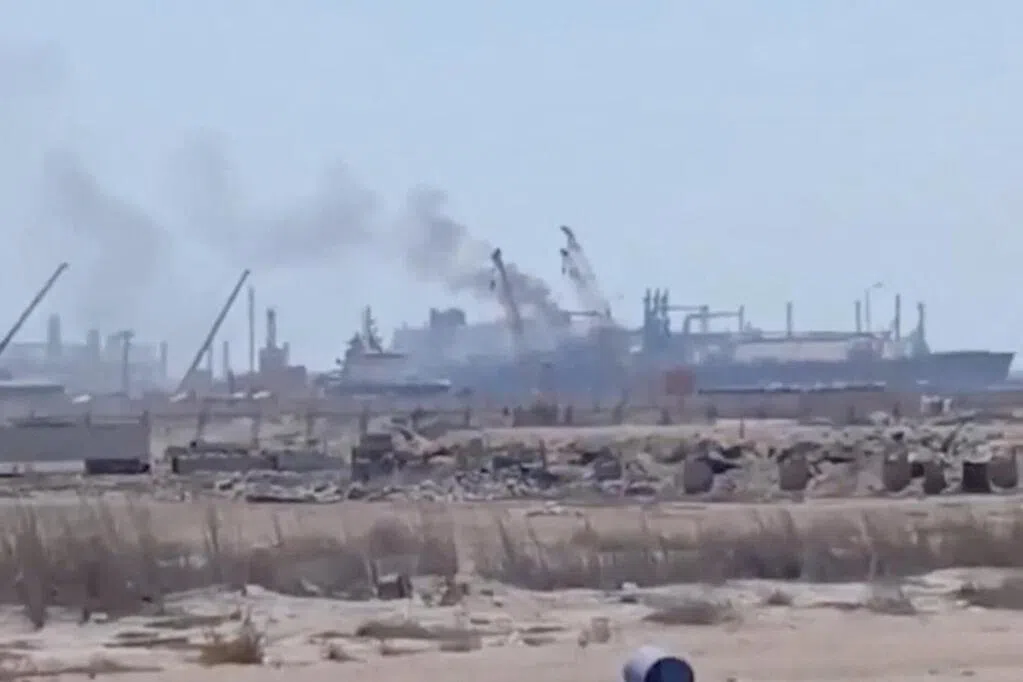
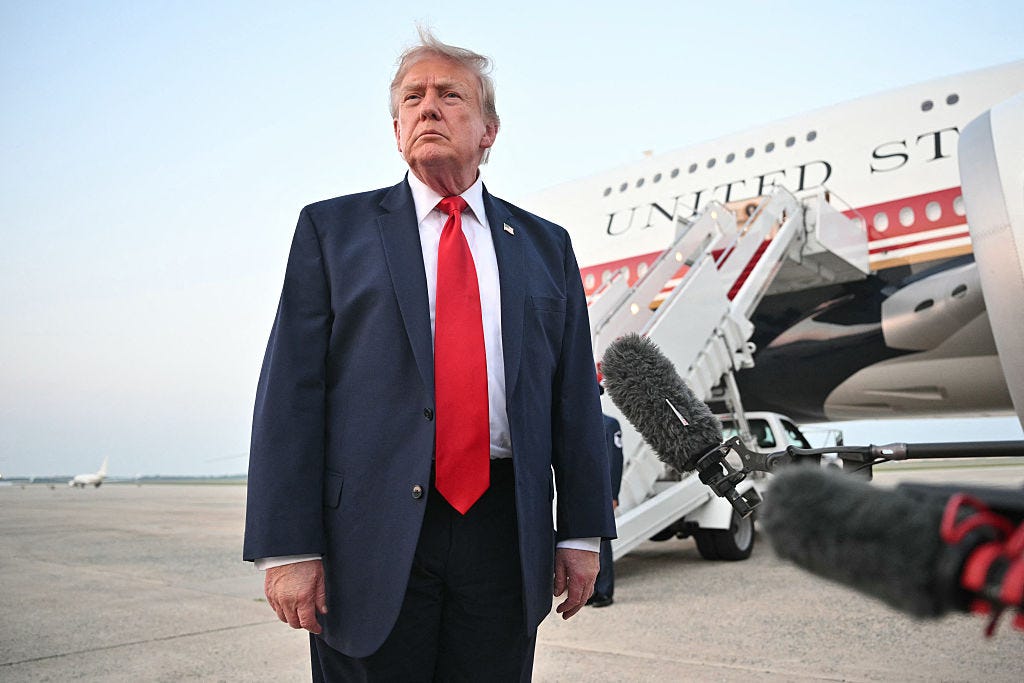
The United States and Israel are preparing what multiple sources describe as one of the largest bombing campaigns to date against Iran's energy infrastructure, with strikes potentially occurring throughout the weekend of July 31–August 3, 2026. Targets would likely include power plants and refineries, according to U.S. officials briefed on the operation. The coordinated military plan was discussed during President Trump's cabinet meeting at Camp David on Friday, July 31, though Trump has not yet issued final approval for the strikes.
Israeli officials have been notified and are coordinating with the United States, according to multiple U.S. sources. However, an Israeli official stated to CBS News that "Israel is unaware of a decision to restart full military operations, nor has been requested of Israel to join any military actions against Iran," creating a discrepancy in accounts of coordination. If executed, the operation would mark Israel's return to active combat operations after a U.S.-brokered truce halted strikes. Iran has not attacked Israel since the memorandum of understanding collapsed and U.S. combat operations resumed in early July.
Political concerns about economic impacts have shaped the timeline. U.S. officials discussed concluding the bombing campaign by the time financial markets reopen Monday, August 3, to limit disruption to the U.S. and global economy. However, no final end time has been locked in. Some White House political advisors expressed strong opposition to the proposed strikes during Friday's cabinet session.
President Trump stated publicly at the cabinet meeting: "We'll be hitting them very hard. At some point, they're going to say, 'We just can't take it anymore.'" When asked about reviving diplomacy, he said: "I think we just want to win." White House Press Secretary Karoline Leavitt said: "The United States will win, and Iran will not have a nuclear weapon under his watch." Pentagon spokesperson Sean Parnell stated the Department of Defense is "locked and loaded, ready to execute the President's directives at a moment's notice."
A former U.S. military official explained that targeting energy infrastructure aims to degrade the Iranian military's capacity to provide services and govern effectively. High-level U.S. discussions occurred Friday about cutting electricity to Tehran, though no decision had been made by Friday afternoon. The U.S. has previously struck dual-use infrastructure—facilities serving both military and civilian purposes—during this conflict.
Why This Matters
If executed, coordinated U.S.-Israeli strikes on Iran's energy infrastructure—power plants and refineries—would significantly disrupt Iran's electricity supply and fuel production capabilities. The operation's timing reflects U.S. concerns about market stability, with officials planning to conclude strikes before financial markets reopen Monday, August 3. The strikes would represent Israel's resumption of active combat operations following a prior U.S.-brokered truce. Measurable effects include potential regional energy disruptions, oil market volatility, and resumed escalation in the conflict after the memorandum of understanding collapsed in early July.