
Market
Published Jul 30, 2026Updated Aug 5 Major18
100%
Hungary shuts down only nuclear plant as Danube hits record lows
Hungary's Paks Nuclear Power Plant, which generates nearly half the country's electricity, shut down completely on August 2, 2026, for the first time in 44 years due to record-low Danube River water levels caused by severe heat and drought. The closure triggered emergency conservation measures and doubled electricity imports, while Romania also reduced nuclear output due to similar cooling water shortages.
Quick Facts
- Paks Nuclear Power Plant complete shutdown
- Progressive reduction in reactor output from July 29 to August 2
- All four reactors taken offline by August 2
- Emergency energy conservation measures implemented
- Electricity imports nearly doubled
Related Insights
Hungary's Paks nuclear plant to shut down due to record low Danube River levels Associated Press · YouTube
多瑙河水位創新低 匈牙利核電恐全停|中央社影音新聞 中央社 · YouTube
HUNGARY NUCLEAR CRISIS: Record-Low Danube Threatens Historic Paks Plant Shutdown | Times Now World Times Now World · YouTube
HUNGARY NUCLEAR CRISIS: Paks Reactor Shuts Down Over Record-Low Danube Levels | Times Now World Times Now World · YouTube
Record-low water levels on the #danube River, Hungary’s Paks nuclear plant could be suspended ECO R GEO · YouTube
EUROPE HEATWAVE: ‘Need Gas from Russia’, Record-Low Danube Threatens Paks Nuclear Plant Shutdown Times Now World · YouTube
HUNGARY NUCLEAR CRISIS: Magyar Blames Orban, Russia and Record-Low Danube Water Levels Times Now World · YouTube
Europe's Heatwave Hits Nuclear Power | Hungary's Paks Plant May Shut Down This Weekend | VERTEX VERTEX · YouTube
Hungary to Shut Only Nuclear Power Plant | Viral Shorts Express 24-7 · YouTube
WIRE-38 Relay 08 // Hungary Prepares Full Shutdown Paks Nuclear Plant Danube River Longwave Service · YouTube
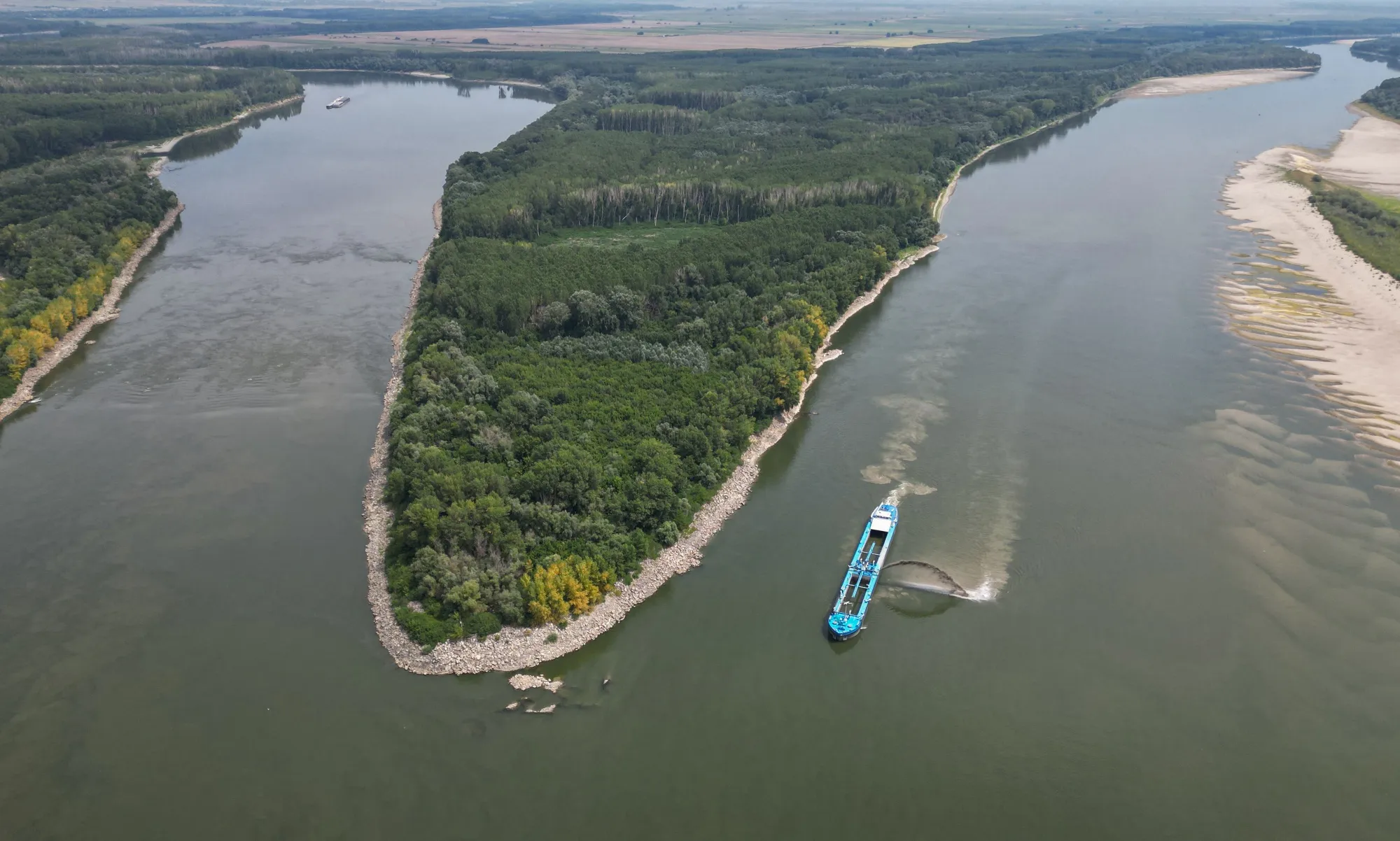

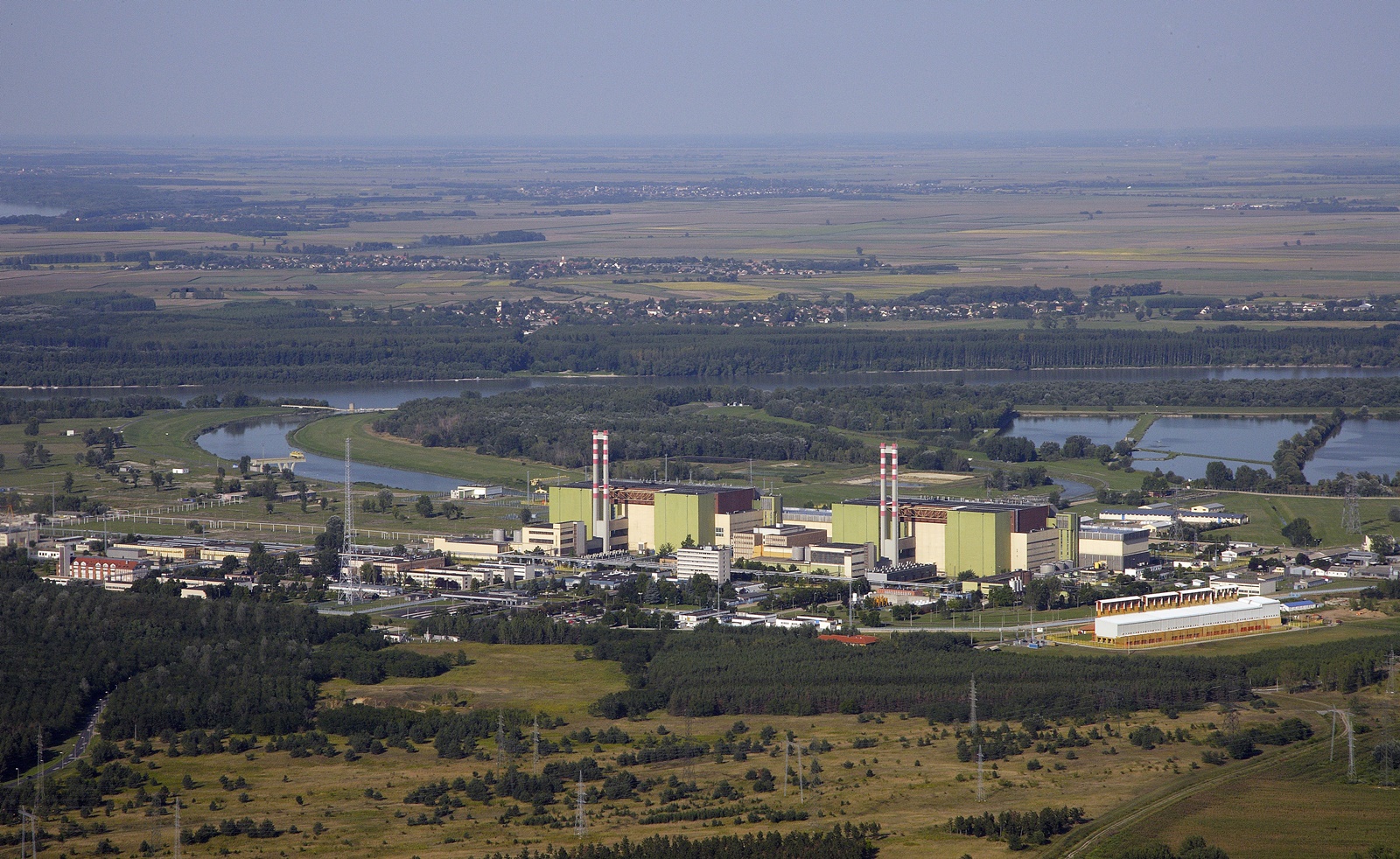
Hungary's Paks Nuclear Power Plant, which supplies nearly half the country's electricity, shut down completely on August 2, 2026, for the first time in its 44-year history due to record-low water levels in the Danube River caused by extreme heat and prolonged drought across Central Europe.
The Soviet-built, four-reactor plant near Budapest had been progressively reducing output since late July as the Danube's water level fell below safe cooling thresholds. By August 2, all four reactors were offline, eliminating 2,000 megawatts from Hungary's power grid. The river level at the plant fell to minus 133 centimeters, exceeding the previous 2018 record low of minus 98 centimeters. Water levels had not recovered to sufficient levels as of early August, with forecasts predicting further decline to minus 144 centimeters or lower, and no significant rainfall forecast for at least ten days.
Prime Minister Péter Magyar declared the situation "the most critical five days" ahead and urged Hungarians to reduce electricity consumption during peak evening hours (5 p.m. to 10 p.m.), particularly by avoiding air conditioning and charging electric vehicles. The government requested large industrial consumers voluntarily cut power use, with Hungary's MOL energy conglomerate committing to reduce consumption by 40 percent. Hungary nearly doubled electricity imports from neighboring countries to offset the lost generation capacity. State institutions were ordered to turn off decorative lighting, and parliamentary sessions were suspended to conserve energy. Government officials estimated the shutdown could cost the budget at least 50 billion Hungarian forints (approximately $158 million).
Romania faced parallel difficulties when one reactor at its Cernavodǎ nuclear plant was shut down due to low Danube levels on July 28, with a second reactor operating at reduced capacity. Romanian authorities conducted controlled explosions and planned temporary dikes to redirect water to maintain cooling at the remaining operational reactor. The European Commission stated it stood ready to convene an emergency meeting of its Electricity Coordination Group to coordinate regional response, though officials noted no immediate energy security threats to the broader EU.
The extreme drought affected multiple European countries and waterways. Water levels on the Rhine in Germany also fell to near record lows, forcing cargo vessels to reduce loads to approximately 20 percent of normal capacity. The Netherlands reported officially recognized water shortages. The low Danube levels also disrupted shipping, tourism, and agriculture across the region while exposing historical artifacts including World War II German warships scuttled near Prahovo, Serbia, mammoth remains in Bulgaria, and unexploded munitions in Hungary.
Why This Matters
Hungary's electricity supply faces a critical gap: loss of 2,000 megawatts from its largest power source affects grid stability, forces emergency conservation, and increases regional electricity imports. The Danube's record-low water level (minus 133 cm, exceeding the 2018 low by 35 cm) is driven by extreme drought across Central Europe. Similar closures at Romania's Cernavodă plant compound regional supply constraints. Forecasts predict further water decline and no significant rainfall for at least ten days, extending the risk window. Budget impact is estimated at 50+ billion Hungarian forints. Broader EU energy coordination mechanisms are on standby, though officials assess no immediate EU-wide security threat.
Timeline & Sources
Jan 1, 2018
WirePrevious Danube water level record set at negative 98 centimeters
May 1, 2026
WireSuccessive heat waves begin affecting Europe
Aug 4, 2026
WirePaks nearly faces complete shutdown but water level stabilizes; last turbine continues operating at 50% capacity
Aug 5, 2026
WireThree of four Paks reactors remain offline; one operating at approximately 50% power
Related Signals
Sources
- Hungary Nuclear Power Plant Shutdown Danube Drought Aebc3b54c9c5987e99c489b4652c91feapWireJul 31, 2026
- Hungria Planta Nuclear C5a1fec2dbc1f8f365e78a9a01f4deb1apWireJul 31, 2026
- As the Danube Hits Record Lows, Every Centimeter of River CountsBloomberg.comWireAug 5, 2026
- Danube's record low levels force shutdown of Hungary's only nuclear plantbbc.comMediaJul 30, 2026
- Lost income, energy fears and a woolly mammoth: what Europe’s dried-up rivers have yieldedThe GuardianMediaAug 1, 2026
- FACTBOX: What to know about possible suspension of Hungary’s Paks nuclear planttassMediaJul 31, 2026
- EU considers emergency meeting as nuclear shutdown leaves Hungary facing energy crisisEuronewsMediaJul 31, 2026
- Paks NPP in Hungary to be shut down for first time in 44 years — MagyartassMediaAug 2, 2026
- Hungary plans to shut down only nuclear power plant amid droughtAl JazeeraMediaAug 2, 2026
- Hungary faces energy crunch as drought shuts down Paks nuclear plant, PM sayspolitico.euMediaAug 2, 2026
- В Венгрии из-за обмеления Дуная остановили предпоследний энергоблок АЭС «Пакш». Станция может полностью прекратить работуMeduzaMediaAug 2, 2026
- Европейские АЭС массово начинают приостанавливать работу из-за жарыBFM.ruMediaAug 2, 2026
- «Самые критические пять дней»: Венгрия осталась без своей единственной АЭСRTVIMediaAug 2, 2026
- Europe heat wave fuels drought, fires and energy fearsnpr.orgMediaAug 4, 2026
- Danube River’s shrinking water levels expose dozens of World War II shipsFortuneMediaAug 4, 2026
- Record-low Danube River levels put Hungary's only nuclear plant on brink of shutting downCBS NewsMediaAug 5, 2026
- The Danube River's water is dropping so low that World War II ships are emergingPBSMediaAug 5, 2026
- Extreme weather is drying up Europe’s rivers in a crisis so dire it can be seen from spaceCNNMediaAug 5, 2026