
Emerging
Published Jun 23, 2026Updated Jun 23 Major4
89%
US Grants Iran 60-Day Oil Sales Waiver as Peace Negotiations Continue
The Trump administration has granted Iran a 60-day waiver to resume international oil sales, offering economic relief as peace negotiations between the US and Iran advance. Both sides reported progress on talks, though disputes emerged over nuclear inspection claims and unresolved issues including the Strait of Hormuz and regional conflicts.
Quick Facts
- US issued 60-day oil sales license to Iran
- Iran permitted to sell oil on international market
- Memorandum of understanding signed to halt conflict
- Peace negotiations underway in Switzerland
- Nuclear inspector access disputed between parties
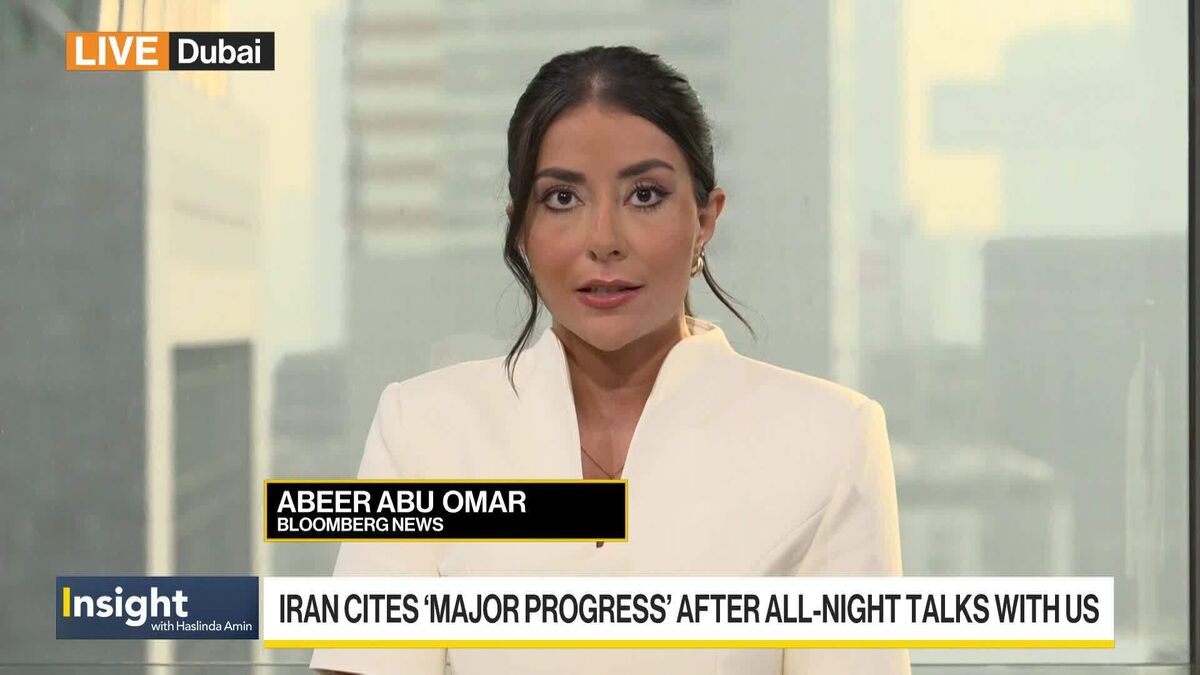
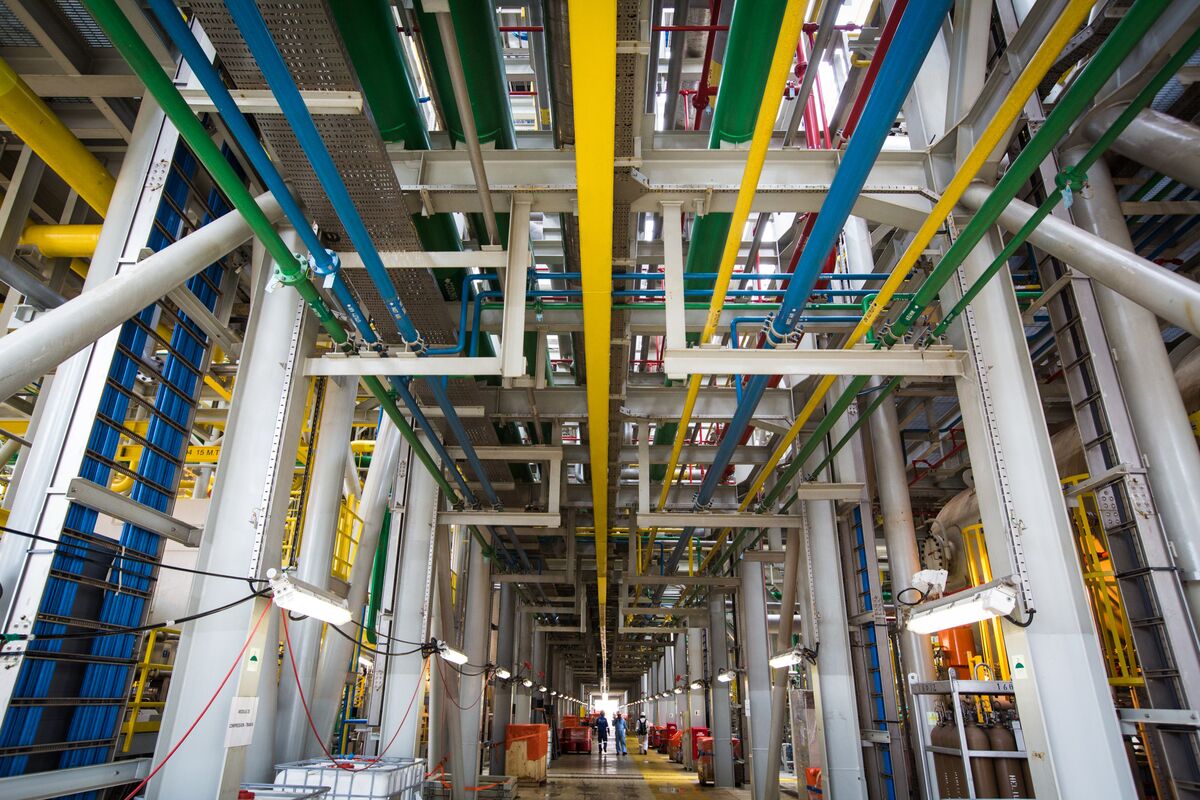

The Trump administration has issued a 60-day license permitting Iran to sell oil on the international market, providing Tehran with a vital economic lifeline as the two countries pursue a permanent peace agreement. The waiver takes effect immediately, allowing Iran to resume energy exports and clear a substantial backlog of oil cargoes waiting on global waters. This temporary sanctions relief comes as part of a broader memorandum of understanding signed last week between the US and Iran to halt ongoing conflict.
Vice President JD Vance, who is attending negotiations in Switzerland, characterized the initial round of talks as "very, very good" and stated that Iran had agreed to permit nuclear inspectors back into the country—a claim later endorsed by President Trump. However, Iranian officials disputed this assertion, with state representatives dismissing Vance's statement as "false and does not reflect reality." Iranian officials also indicated they would engage with the International Atomic Energy Agency only under existing procedures, signaling disagreement over the scope of any nuclear inspection agreement.
The waiver addresses Iran's immediate financial needs following years of stringent US sanctions. Vice President Vance indicated that Iran would use unfrozen funds to purchase American agricultural products including soy, wheat, and corn. Iran has also begun ramping up oil exports following the lifting of a US naval blockade, creating expectations for potential near-term global crude supply increases. Global benchmark Brent crude held steady around $78 a barrel following the announcement.
Despite reported progress, significant challenges remain unresolved in the negotiations. Key issues including the status of the Strait of Hormuz and regional tensions involving Israel's campaign against Iran-backed Hezbollah militants in Lebanon continue to complicate discussions. Iranian officials have signaled they will maintain leverage over the Strait of Hormuz if Israeli military operations in Lebanon persist. The delicate nature of the talks was underscored when discussions nearly collapsed over the weekend after fresh threats from Trump prompted the Iranian delegation to threaten withdrawal.
The administration has defended the interim agreement, arguing it will benefit Americans through lower energy prices while maintaining safeguards against Iranian nuclear weapons development. Critics, including Trump's Republican allies, have questioned the wisdom of providing Iran immediate economic relief before a final deal is reached. Negotiations are scheduled to continue at the Swiss resort of Bürgenstock this week, with lower-level delegates remaining to address technical matters while senior negotiators including Vance and Iran's parliament speaker Mohammad Bagher Ghalibaf have departed.
Why This Matters
This waiver signals a potential shift in US-Iran relations with immediate economic implications: Iran's re-entry into global oil markets could moderate crude prices for consumers, while the risk of deal collapse—evidenced by near-breakdown over the weekend—threatens to reverse sanctions relief and destabilize Middle Eastern geopolitics. For businesses, investors, and energy consumers, the outcome of Swiss negotiations will determine whether sanctions escalate or normalize over the coming months.
Timeline & Sources
Feb 28, 2026
WireTrump administration strikes Iran
Jun 22, 2026
WireOil prices decline more than 3% in trading session
Jun 23, 2026
WireTrump administration issues 60-day oil sales waiver to Iran
Jun 23, 2026
WireIran begins pursuing major Asian oil importers
Jun 23, 2026
WireOil markets react with relative stability to waiver announcement
Sources
- Oil Steadies as Iran Sales Waiver Signals Peace Talks ProgressbloombergWireJun 23, 2026
- US-Iran Talks Continue as Trump Administration Allows Oil SalesbloombergWireJun 23, 2026
- Iran Rushes to Woo Asia’s Largest Oil Importers After US WaiverbloombergWireJun 23, 2026
- Iran Oil Waiver Offers Lifeline to Tehran as Talks ProceedYahoo FinanceMediaJun 23, 2026