
Geo
Published Jun 18, 2026Updated Jun 231
79%
Trump declares ceasefire with Iran a victory; critics see a win for Tehran
President Trump has signed a ceasefire with Iran after a four-month war, offering $300 billion in reconstruction and an end to sanctions. Critics say the deal is a victory for Tehran, as the US steps back from a conflict that killed over 3,300 Iranians.
Quick Facts
- signed a ceasefire deal
- offered a $300bn rebuilding fund
- ended economic sanctions
- promised not to interfere in Iran's internal affairs
- killed over 3,300 Iranians
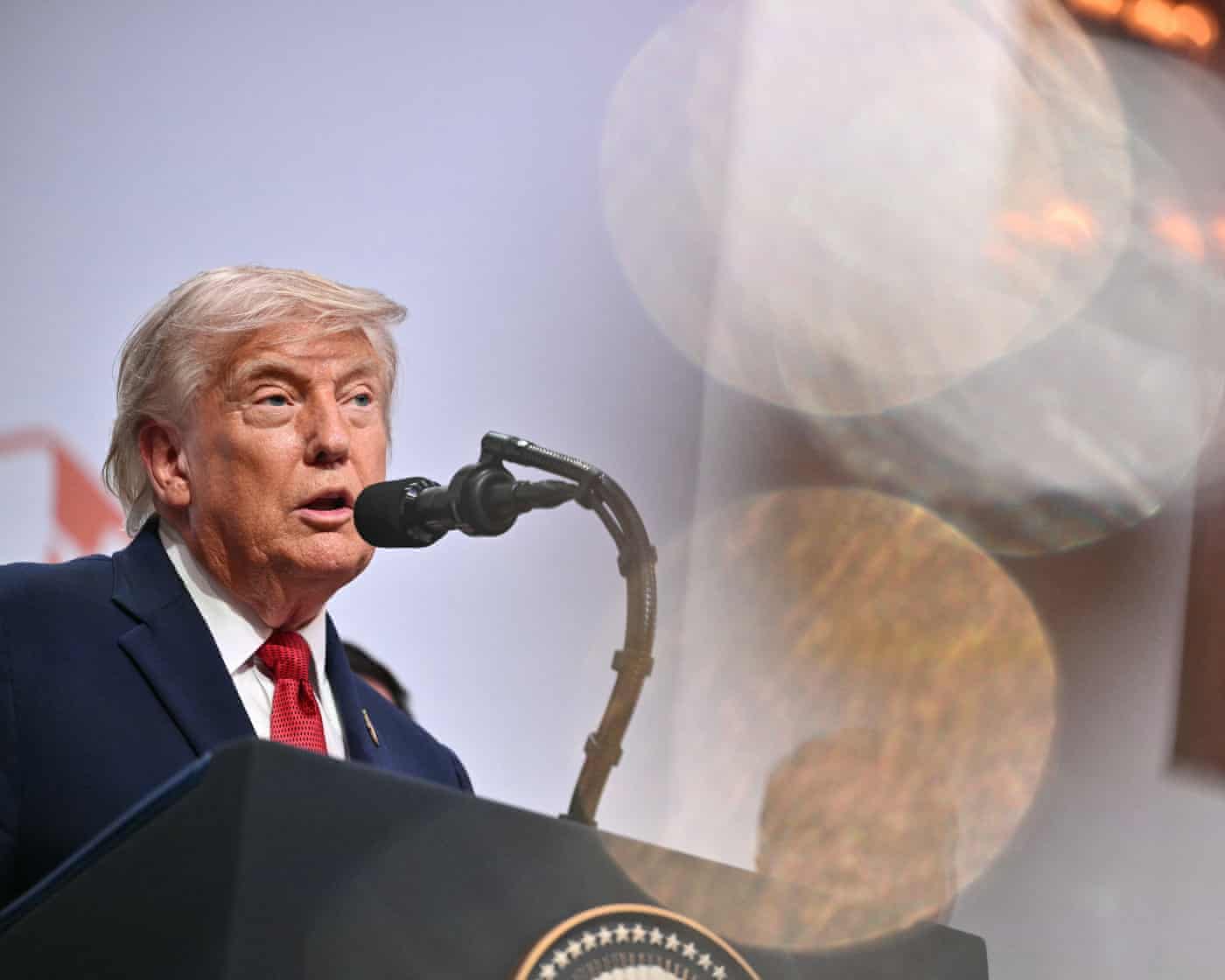
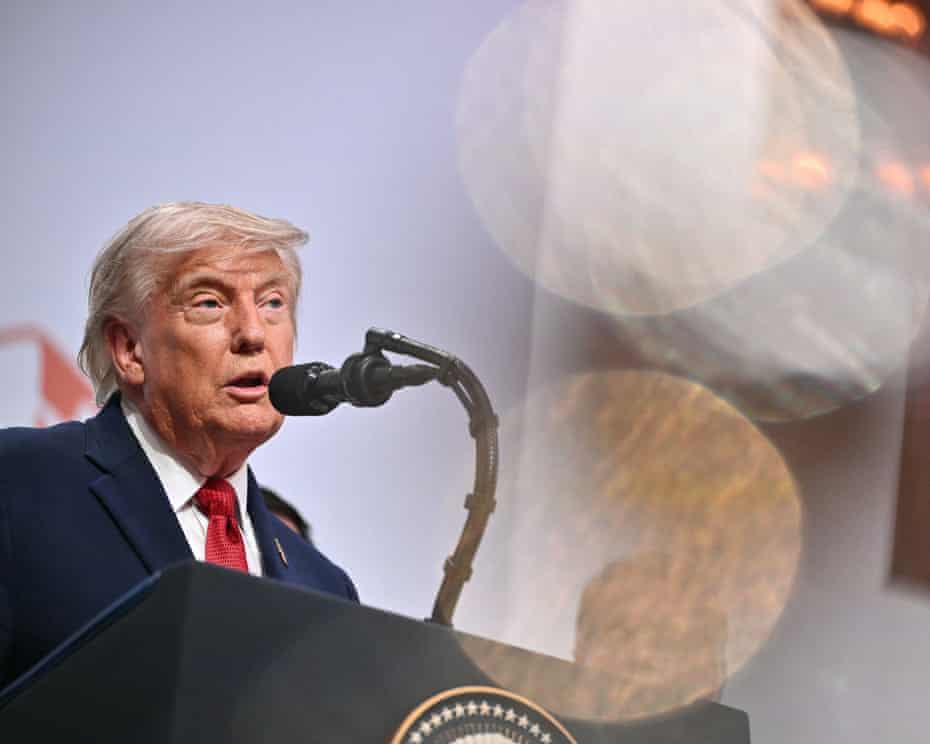
President Donald Trump has signed a ceasefire deal with Iran, marking an end to a four-month military conflict that he and Israeli Prime Minister Benjamin Netanyahu initiated in February 2026. Trump is framing the agreement as a “major win,” but analysts and commentators argue that the terms heavily favour Tehran. Under the deal, the United States is offering Iran a $300 billion rebuilding fund, an end to economic sanctions, and a pledge not to interfere in Iran’s internal affairs. The next 60 days of negotiations are expected to be complex and unpredictable, though the ceasefire signals a significant shift in US policy.
The conflict, which began with a massive US bombing campaign aimed at toppling the Iranian government, has resulted in over 3,300 Iranian deaths, including more than 100 children at a girls’ school, according to Iranian authorities. Trump’s stated rationale for the war—that Iran’s potential nuclear weapons capability threatened US national security—has drawn comparisons to the justification for the 2003 invasion of Iraq. Critics note that Iran has repeatedly reiterated its longstanding commitment to abjure nuclear weapons.
In a notable break with Israel, Trump has also voiced frustration with Netanyahu’s military tactics, particularly the bombing of Lebanon. He remarked: “You don’t have to knock down an apartment house every time you’re looking for somebody” because “there are a lot of people in those apartment houses and they’re not all Hezbollah.” This criticism suggests a growing rift between the US and its closest ally in the region.
For Trump, who was elected on a promise to avoid foreign entanglements, the war represents a reversal of his earlier non-interventionist stance. He had pledged in a 2017 speech in Saudi Arabia that “America will not seek to impose our way of life on others, but to outstretch our hands in the spirit of cooperation and trust.” The ceasefire, while presented as a victory, is widely seen as an admission that the campaign failed to achieve its objectives, avoiding a prolonged conflict akin to Vietnam, Afghanistan, or Iraq.
The path forward remains uncertain. Tehran has accepted the deal and may need to tolerate continued Israeli actions in Lebanon. The lifting of sanctions and opening of Iran to international commerce could be a positive outcome, potentially moderating the regime over time. For now, the ceasefire points in a plausible and hopefully irreversible direction, though the coming weeks will test its durability.
Why This Matters
This ceasefire reshapes US-Iran relations, ending a costly war but signaling a major policy shift. For global investors, the lifting of sanctions opens Iran to commerce, creating opportunities in energy and infrastructure. The deal’s fragility over 60 days puts US regional strategy and the future of Israel-Lebanon tensions on alert.
Timeline & Sources
Feb 1, 2026
WireTrump and Netanyahu initiate a war on Iran with a massive US bombing campaign.
Jun 18, 2026
WireTrump signs a ceasefire deal with Iran, offering $300bn rebuilding fund, end to sanctions, and non-interference pledge.