
Oct 16·Geo
Follow-up 2h ago4
91%
Rep. Torres Introduces Bill to Require Game Ownership Over Licensing
Rep. Ritchie Torres announced the Power To The Players Act on October 16, 2026, proposing federal regulations to establish video game purchases as ownership rather than revocable licenses. The bill would require the FTC to set rules ensuring offline functionality before server shutdowns and consumer rights to transfer purchased games, addressing industry practices that render games inaccessible after publishers withdraw support.
Quick Facts
- Power To The Players Act announced
- Bill directs FTC to establish regulations treating game purchases as ownership
- Requires offline mode before server shutdowns for online games
- Grants consumers right to transfer purchased games
- NBA 2K25 delisted from digital storefronts
Related Insights
Rep Ritchie Torres Introduces Digital Game Ownership Bill #gaming #news #gamingshorts Trending Games Media · YouTube
Proposed legislation aims to enforce video game ownership and offline access. Viral Trends Daily🌏 · YouTube
AAA Gaming Faces Regulation Over Game Ownership Cultural Breakdown · YouTube
This New Bill Wants You to OWN Your Games Spot The X · YouTube
Your Digital Games Aren't Really YOURS 😳🎮 #shorts AI Unlocked · YouTube
US Rep proposes bill to give video game buyers ownership, not a license - Ars Technica Atix Game · YouTube
Do You Actually Own Your Games? New Bill Explained #shorts Pixel Dispatch · YouTube




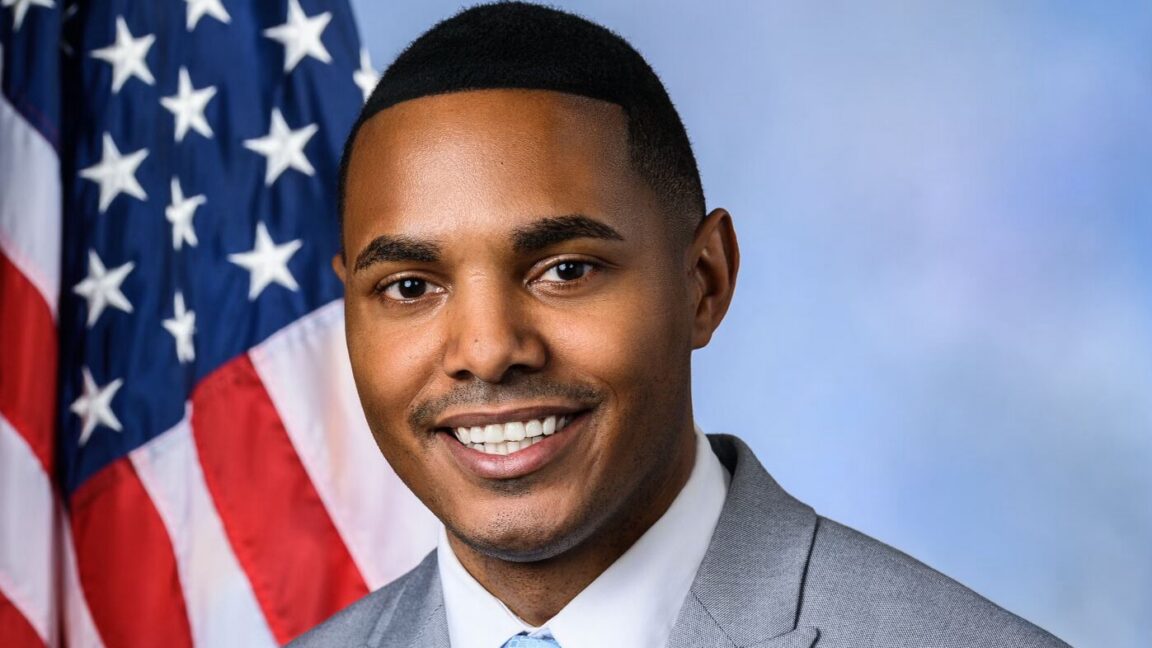
Rep. Ritchie Torres (D-NY) announced the Power To The Players Act on October 16, 2026, legislation that would direct the Federal Trade Commission to establish regulations treating video game purchases as ownership rather than revocable licenses. The bill responds to a decade-long industry shift toward digital-only distribution and licensing models that allow publishers to remove access to games unilaterally.
The bill's core provisions require that purchasing a video game grants ownership rather than a limited license; that games with online functionality provide an offline mode before servers are shut down; and that consumers retain the right to transfer games they purchase. Torres cited NBA 2K25 as a primary example: the game launched in September 2025 at $69.99 (standard) or $99.99 (All-Star Edition), but is scheduled for delisting from digital storefronts on October 30 and server shutdown on December 31, 2026—roughly two years after release—rendering online features permanently inaccessible.
Torres stated: "When you pay for a game, you should own it. Consumers must have the right to own, the right to play, and the right to transfer the games they buy. A game that can be taken away the moment a company pulls the plug is not a purchase. It is a rental disguised as a sale." He characterized the proposed rules as a "restoration to the historical norm," referencing how games were typically experienced in the 1990s as owned products rather than licensed services.
The announcement reflects broader consumer and advocacy concern over game preservation and access. The Stop Killing Games campaign gathered nearly 1.3 million verified signatures in the European Union, though the European Commission declined binding legal requirements in June 2026, instead offering voluntary industry talks. Recent examples cited in industry discussion include Ubisoft's 2024 shutdown of The Crew (an online-only game rendered unplayable despite recent purchases) and Overwatch's replacement by Overwatch 2, which discontinued the original game entirely. Sony's digital sales now represent 82 percent of full-game unit sales on PlayStation platforms, and the company announced plans to discontinue physical media releases—a move some players argue undermines long-term game preservation.
The bill has not yet been formally introduced, and Torres has not announced cosponsors. Similar state-level efforts, including California's Protect Our Games Act and Pennsylvania's Protect Our Games Act (which would require publishers to provide offline modes, community server support, or 25 percent refunds), have faced industry opposition and legislative obstacles. The ESA (Entertainment Software Association) has opposed such measures. Transfer rights for digital games would effectively enable digital resale—a feature no major digital storefront currently permits—making significant industry pushback likely.
Why This Matters
If enacted, the bill would establish federal rules preventing publishers from removing access to purchased digital games without offline alternatives, affecting how digital game sales operate across major platforms. Current industry practice—exemplified by NBA 2K25's planned delisting and server shutdown within two years of release—renders recently purchased games unplayable. The proposal would also enable secondary market resale of digital games, a feature currently unavailable on any major digital storefront (Steam, PlayStation Network, Xbox, Epic Games Store), potentially disrupting publisher revenue models and affecting game preservation practices across the $184 billion global video game market.
Timeline & Sources
Jan 1, 2024
WireUbisoft shuts down The Crew servers, rendering the online-only game unplayable
Sources
- US Rep proposes bill to give video game buyers "ownership," not "a license"ars_technicaMediaOct 16, 2026
- US Rep Announces Congressional Legislation to Protect Video Game Ownershipritchietorres.house.govMediaOct 16, 2026
- NY announces game ownership bill requiring ownership rather than licensingtomshardware.comMediaOct 16, 2026
- Rep. Ritchie Torres Wants Gamers to Own the Games They Buy, Announces Power To The Players ActTechPowerUpMediaOct 17, 2026