
Emerging
Published Jun 27, 2026Updated Jun 27 Major10
100%
US-Iran Military Escalation Threatens Fragile Ceasefire Agreement
The United States and Iran exchanged military strikes on June 25-26, with the US retaliating against Iranian drone attacks on commercial vessels in the Strait of Hormuz and Iran striking back at American military positions, threatening to collapse their fragile June 18 ceasefire agreement. Both sides have traded accusations of violations and issued warnings of escalating consequences if attacks continue.
Quick Facts
- Iranian IRGC launched one-way attack drones at commercial vessels
- At least one drone struck the cargo ship Ever Lovely
- US conducted airstrikes on Iranian missile and drone storage facilities
- US targeted coastal radar positions in Sirik area
- IRGC struck US military positions in the Gulf in retaliation
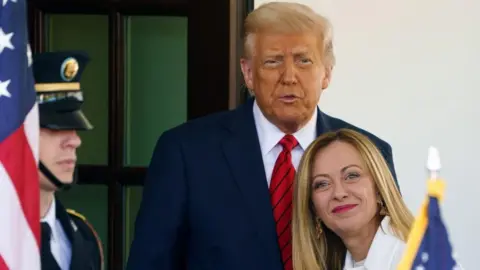
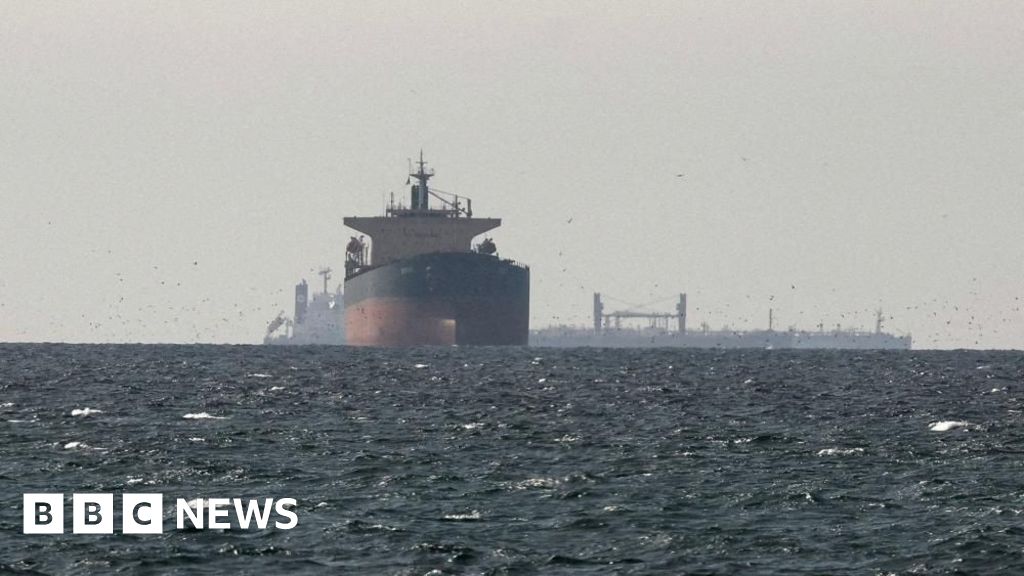

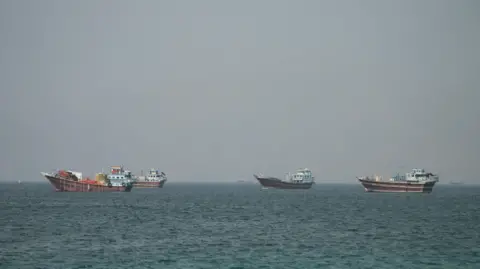

Tensions between the United States and Iran escalated dramatically on June 25-26, as both nations traded military strikes and accusations of ceasefire violations, jeopardizing a peace agreement signed just days earlier. The cycle began when Iran's Islamic Revolutionary Guard Corps (IRGC) launched one-way attack drones at commercial vessels transiting the Strait of Hormuz on June 25, with at least one drone striking the Singapore-registered cargo ship Ever Lovely. In response, US Central Command conducted airstrikes on Iranian military installations on June 26, targeting missile and drone storage facilities and coastal radar positions in the Sirik area. US officials, including President Donald Trump and Vice President JD Vance, characterized the Iranian attack as a "foolish violation" of the ceasefire agreement.
Iran's IRGC responded swiftly to the US strikes, launching attacks on American military positions in the Gulf region on June 27 and warning that future responses would be "broader" if aggression continued. Iranian parliamentary officials, including Ebrahim Azizi, head of the national security committee, accused Trump of showing "no commitment" to negotiation and ceasefire principles, characterizing the US strikes as a "reckless violation." The IRGC also pointed to Article 5 of the Memorandum of Understanding, which stipulates that Iran maintains responsibility for managing passage through the Strait of Hormuz, and accused the US of attempting to circumvent this by allowing vessels to use unauthorized routes.
The confrontation marks the first military exchange since the June 17-18 Memorandum of Understanding (MoU) was signed, threatening to unravel a tentative peace framework. The 14-point agreement included a ceasefire, provisions for reopening the strategically vital Strait of Hormuz, and a 60-day commitment from Iran to ensure safe passage for commercial vessels without tolls or charges. Vice President Vance warned Iran that "violence will be met with violence," offering diplomatic channels as an alternative while maintaining a hardline stance. The incident also coincided with broader regional tensions, as Israel and Lebanon separately signed a framework agreement for peace negotiations, though the IRGC criticized what it described as Israeli violations of the ceasefire in southern Lebanon involving Hezbollah.
The Strait of Hormuz, through which approximately 20 percent of global oil and liquefied natural gas transited before the conflict, has become the focal point of dispute. Prior to the June 18 agreement, Iran's closure of the waterway following US and Israeli military operations in February had triggered global energy price spikes and disrupted shipments of critical commodities. While shipping traffic has partially rebounded since the MoU signing, the latest attacks and recriminations threaten to reverse those gains and destabilize the fragile agreement.
UN Secretary-General António Guterres expressed hope that the strait could return to its pre-conflict status quo, emphasizing the importance of maintaining momentum toward a final settlement. However, fundamental disagreements persist between Washington and Tehran over several aspects of the MoU's implementation, including vessel routing protocols and the extent of Iran's control over the waterway. Iranian officials have demanded that any unauthorized vessel movements cease, while American authorities maintain that commercial shipping must have freedom of navigation through the strait.
Why This Matters
This escalation directly threatens global energy security and maritime commerce. The Strait of Hormuz handles approximately 20% of global oil and LNG transit; any sustained closure would trigger severe energy price spikes and supply disruptions affecting economies worldwide. The collapse of this nascent ceasefire could drag the region into prolonged conflict, destabilizing oil markets, disrupting shipping routes, and creating cascading economic consequences for businesses dependent on stable energy supplies and uninterrupted maritime trade.
Timeline & Sources
Jun 14, 2026
WireTrump announces US-Iran agreement and orders reopening of Strait of Hormuz
Jun 15, 2026
WireIran's Supreme National Security Council confirms US-Iran ceasefire memorandum
Jun 27, 2026
WireEbrahim Azizi accuses Trump of lacking commitment to ceasefire; Israel and Lebanon sign framework peace agreement
Jun 27, 2026
WireIranian Parliament National Security Committee head Ebrahim Azizi accuses Trump administration of attacking during negotiations and violating ceasefire principles
Sources
- US conducts strikes on Iran after attack on cargo shipBBCMediaJun 27, 2026
- 美军反击后,万斯警告伊朗:有异议,可以打电话ifengMediaJun 27, 2026
- 伊朗革命卫队称打击区内美军据点 回应美军新一轮袭击zaobaoMediaJun 27, 2026
- 伊朗高级官员:特朗普不遵守谈判和停火原则ifengMediaJun 27, 2026
- 美伊签署谅解备忘录后,美军首次发动袭击,伊朗回应ifengMediaJun 27, 2026
- 美军公布最新袭击伊朗画面ifengMediaJun 27, 2026
- 签署谅解备忘录后发生交火,美伊双方互放狠话ifengMediaJun 27, 2026
- 伊朗高级官员:特朗普不遵守谈判和停火原则zaobaoMediaJun 27, 2026
- Roundup: Renewed Iran-U.S. strikes put fragile ceasefire to testxinhuaMediaJun 27, 2026
- Iran and US trade blame for attacks, threatening fragile ceasefireAl JazeeraMediaJun 27, 2026