
AI
Published Jun 18, 2026Updated Jun 19 Major1
79%
US-Iran Ceasefire Agreement Enters Into Force With 14-Point Understanding
The United States and Iran have signed and implemented a 14-point ceasefire agreement, with President Trump formalizing the accord at the G7 summit in France. The accord mandates an immediate and permanent halt to military operations on all fronts, commits Iran to forgo nuclear weapons, and establishes a 60-day negotiating window for a comprehensive final agreement.
Quick Facts
- 14-point memorandum of understanding signed between US and Iran
- Ceasefire agreement entered into force
- Commitment to halt military operations on all fronts
- Iran pledges to forgo nuclear weapons
- 60-day negotiating window established for final agreement

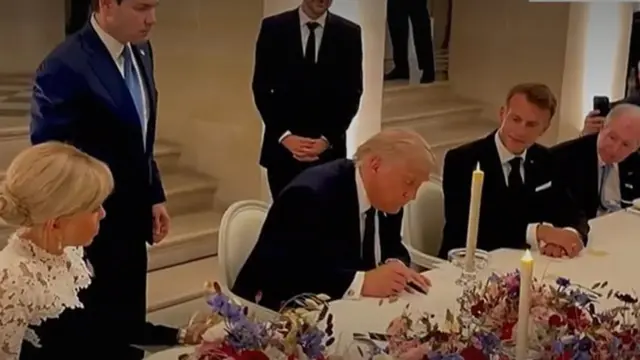
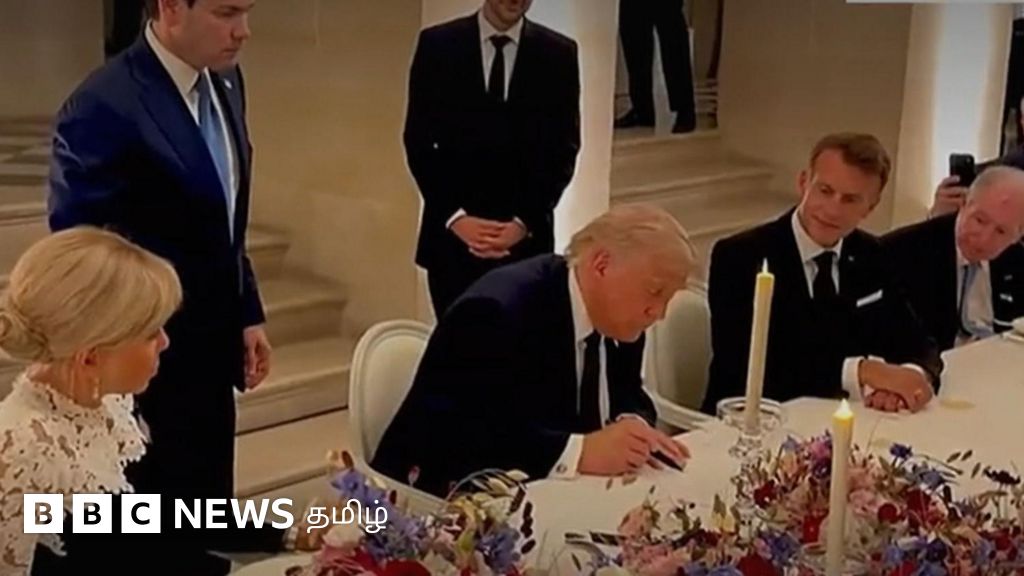

A comprehensive ceasefire agreement between the United States and Iran has officially entered into force following its formal signing by President Donald Trump at the G7 summit in Evian-les-Bains, France. The White House confirmed that Iranian President Masoud Pezeshkian also signed the 14-point memorandum of understanding, which aims to establish a framework for resolving regional tensions that have escalated over the past four months.
The agreement, described by the Trump administration as "performance-based," commits Iran to forgo nuclear weapons development while pledging $300 billion in reconstruction and economic development funding for the country, though the US has no obligation to contribute. The accord mandates an immediate and permanent cessation of military operations "on all fronts," including in Lebanon, and commits both nations to respect mutual sovereignty while refraining from domestic interference. A critical component involves reopening the strategically vital Strait of Hormuz, which has faced disruption amid regional conflict.
Key provisions include a 60-day negotiating window—extendable by mutual consent—for finalizing a comprehensive agreement. The accord prohibits both parties from initiating military action or issuing threats against one another, and calls for guaranteeing Lebanon's territorial integrity and sovereignty. However, significant ambiguity remains regarding Israel's military operations against Hezbollah and whether such operations would constitute a breach of the understanding. Iran has warned that continued Israeli military activity in Lebanon would violate the agreement and trigger "necessary measures."
The timing of the agreement comes amid ongoing regional tensions, including Israeli military campaigns in Lebanon. While the accord respects mutual non-interference in domestic affairs, this provision has raised concerns among Iranian opposition groups, particularly given the Trump administration's previous statements of support for anti-government protesters in Iran. The agreement's final text leaves several critical questions unresolved, and implementation will depend on both parties' compliance with their respective obligations.
Why This Matters
This ceasefire agreement directly impacts regional stability in the Middle East, particularly by reopening the Strait of Hormuz and halting military operations across multiple fronts. For global energy markets, it reduces the risk of supply disruptions. Readers should monitor the 60-day negotiation period, as any collapse could reignite conflict and affect oil prices, while progress may ease geopolitical tensions and open $300 billion in reconstruction funds for Iran.