
Geo
Published Jun 18, 2026Updated Jun 191
59%
South Korea's Controversial Use of Racist Stereotypes in World Cup Strategy
South Korea's national football team used a controversial pre-World Cup strategy involving swapped shirt numbers, explicitly designed to exploit racist Western stereotypes that "all Asians look alike" to confuse opponents. The tactic, also employed in 2018, highlights persistent racial discrimination in international football, with recent cases resulting in significant bans and fines in Europe.
Quick Facts
- Shirt number swaps in friendly matches
- Deliberate use of racist stereotypes as tactical strategy
- Confusion of opponent intelligence operations
- Racist remarks by Bentancur towards Son Heung-min
- South Korea national football team

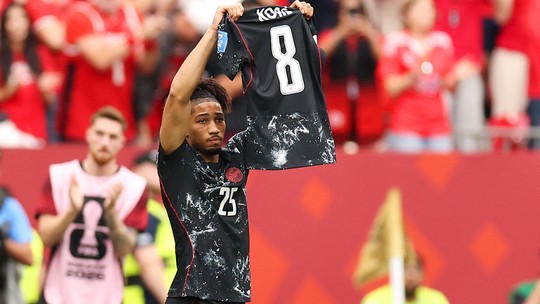
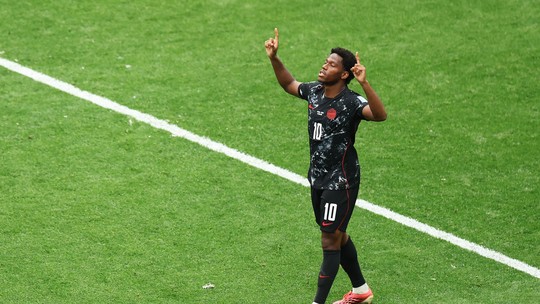
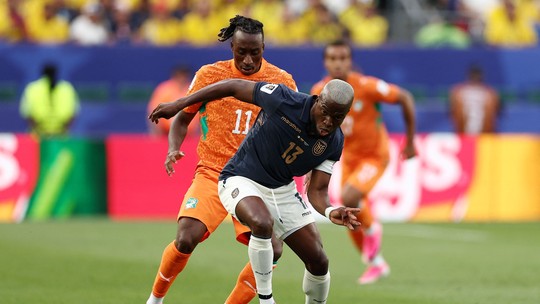
South Korea's national football team has drawn renewed attention to racist stereotypes in sport after employing a controversial pre-tournament tactic that deliberately exploited racial misconceptions about Asian players. The strategy, which echoes a similar approach used during the 2018 World Cup, involved swapping players' shirt numbers in friendly matches ahead of the 2026 tournament, with the explicit aim of confusing opponents based on the premise that "Western people find it difficult to distinguish between Asians."
During pre-World Cup friendlies against Trinidad and Tobago and El Salvador, South Korean players wore different numbers than usual—Son Heung-min wore 13 instead of 7, defender Kim Min-Jae wore 2 instead of 4, and Paik Seung-Ho wore 22 instead of 8. This mirrors the 2018 World Cup strategy when coach Shin Tae-yong explicitly stated his intention to confuse Swedish opponents by exploiting the racial stereotype. At that time, Shin explained: "It is very difficult for Westerners to distinguish between Asians. We wanted to confuse the Swedish team. That is why we did this." Despite the controversial tactic, South Korea was eliminated by Sweden 1-0 and Mexico 2-1 in that tournament, though they notably defeated defending champions Germany 2-0.
The tactic underscores persistent racist attitudes within international sport. Recent cases have resulted in significant punishments: in 2024, Uruguayan television presenter Rodrigo Bentancur faced a seven-match ban and a fine exceeding R$500,000 after making remarks suggesting all Asian players look alike, specifically referencing Son Heung-min. Bentancur, who played alongside Son at Tottenham, was suspended by English authorities despite later apologizing, with Son eventually accepting his apology.
Regarding the current 2026 World Cup campaign, it remains unclear whether current coach Hong Myung-bo employed the shirt-number tactic before the tournament, particularly given that South Korea now has significantly more players in top-tier European leagues compared to 2018. In their opening match against Czech Republic, which South Korea won 2-1, players displayed their first names rather than surnames on their shirts. The team faces Mexico again on Thursday in Guadalajara in a Group A match that could determine first-place qualification.
Why This Matters
This incident exposes systemic racism in international sports and raises critical questions about ethical boundaries in competitive strategy. It demonstrates how racist stereotypes remain embedded in global athletics, with real consequences—as seen in the Rodrigo Bentancur case. For readers, understanding this story is vital to recognizing discriminatory practices that persist in mainstream sports and supporting accountability measures that combat racial bias in elite competitions.
Timeline & Sources
Jan 1, 2018
WireSouth Korea loses to Sweden 1-0 and Mexico 2-1 but defeats Germany 2-0 in 2018 World Cup
Jan 1, 2024
WireRodrigo Bentancur makes racist remarks about Son Heung-min on Uruguayan television
Jan 1, 2024
WireBentancur receives 7-match ban and R$500,000+ fine from English authorities; Son forgives him
Jun 19, 2026
WireSouth Korea scheduled to face Mexico in Guadalajara for Group A match