
Emerging
Published Aug 10, 2026Updated Aug 10 Major3
97%
Ukrainian forces fortify Chernobyl exclusion zone with trenches and barriers
Ukrainian forces are constructing trenches, installing anti-drone netting, and fortifying the Chernobyl exclusion zone near the Belarus border following President Zelenskyy's warnings of potential Russian advances. Plant staff have been relocated to on-site housing after a bridge used for commuting was destroyed. Belarus has denied intent to enter the conflict and stated defensive deployments are for territorial security.
Quick Facts
- Construction of trenches and defensive barriers
- Felling of trees for fortifications
- Installation of protective nets over roadways against drone attacks
- Destruction of railway bridge used by plant staff
- Establishment of checkpoint stops every several kilometres
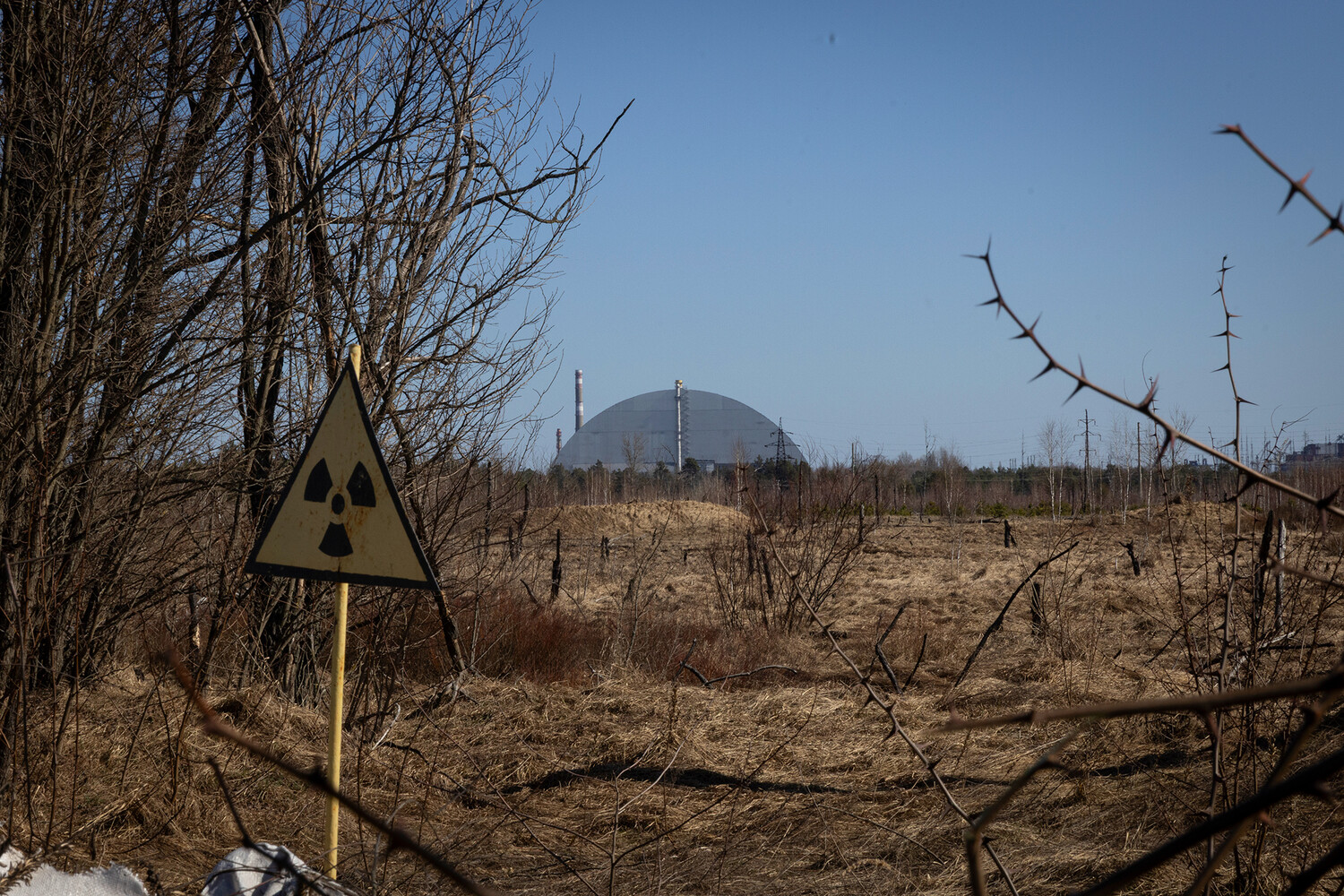

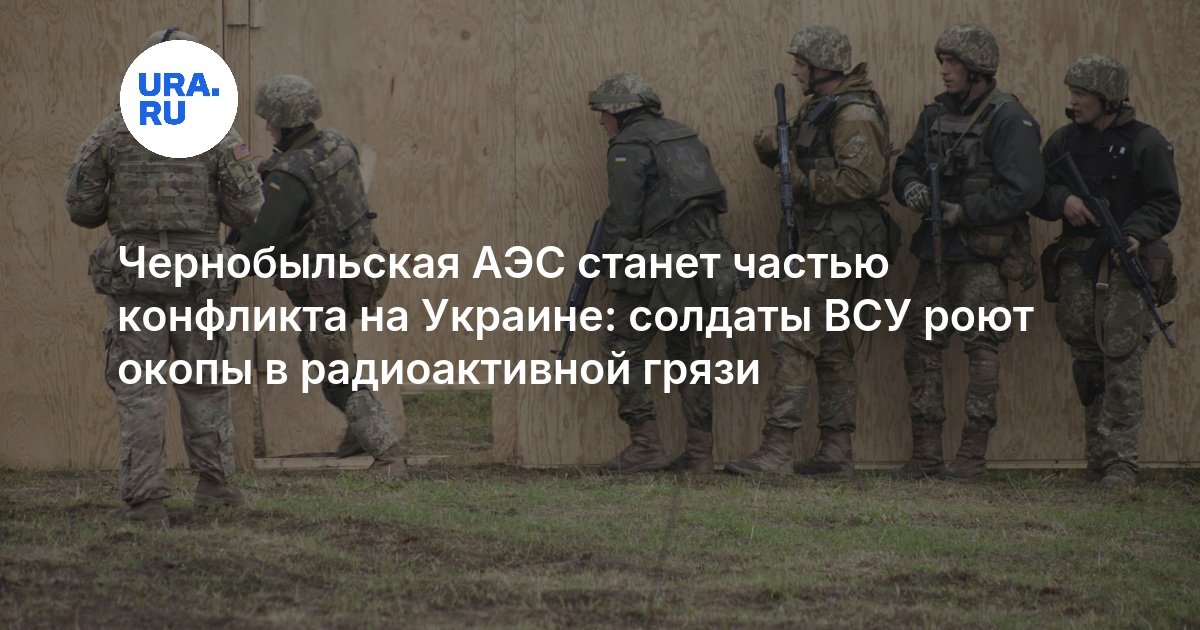
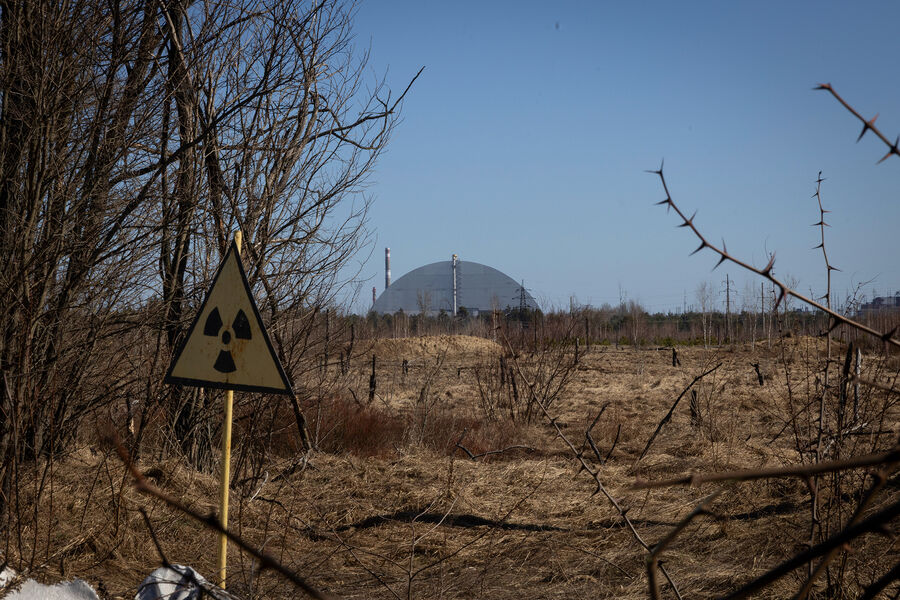
Ukrainian military units have begun extensive defensive preparations around the Chernobyl nuclear power plant in the exclusion zone near the Belarus border, according to reports from Der Spiegel and multiple Russian news outlets. Engineers are constructing trenches, erecting protective nets over roadways to counter drone attacks, felling trees for defensive barriers, and establishing checkpoint stops every few kilometres across the zone.
Ukrainian forces have destroyed a railway bridge previously used by plant staff to commute from outside the exclusion zone. As a result, Chernobyl station employees now live on-site in converted administrative buildings and can return home only once every two weeks. These measures represent a significant operational change at the decommissioned facility, which ceased operations in 2000 and is located 16 kilometres from the Belarus border in Kyiv Oblast.
Ukrainian President Volodymyr Zelenskyy warned in May of potential Russian military advances from Belarus territory. The Kremlin dismissed these statements as provocative escalation attempts. Belarus President Alexander Lukashenko has stated that Minsk does not intend to enter the conflict and has deployed special operations forces along the Ukraine border solely for territorial security. On August 2, Belarus announced the formation of a new 37th separate airborne assault brigade to be based near Homel, approximately 40 kilometres from the Ukraine border.
Military analyst Sergey Poletayev noted that a Russian offensive from Belarus within the current year remains unlikely, citing the large concentration of Ukrainian forces already positioned along the border. Ukrainian authorities are coordinating with international bodies including the International Atomic Energy Agency (IAEA) to monitor radiation levels and manage potential risks associated with military activity near the nuclear site.
Topics
Why This Matters
Military fortification of a decommissioned nuclear facility 16 km from an international border creates operational and logistical constraints: plant staff rotation is now restricted to every two weeks, commute infrastructure has been destroyed, and checkpoint density affects civilian access and supply chains. Monitoring by the International Atomic Energy Agency continues, but concentrated military activity near a nuclear site with historical contamination risk introduces measurable monitoring and coordination challenges for international bodies.