
Geo
Published Jul 17, 2026Updated Jul 19 Major6
100%
U.S. Caps International Student Visas at Four Years, Ending 48-Year Policy
The U.S. Department of Homeland Security has ended a 48-year policy allowing international students to stay for their full degree duration, imposing a four-year maximum on F-1 and J-1 visas effective September 2026. The change shifts visa extension authority from colleges to federal immigration officials and adds restrictions on program changes and post-graduation grace periods, drawing strong criticism from education organizations.
Quick Facts
- Policy ends 48-year "duration of status" framework
- Four-year maximum cap imposed on F-1 and J-1 visa stays
- Visa extension authority transferred from colleges to USCIS
- Post-graduation grace period reduced from 60 to 30 days
- Optional Practical Training (OPT) time now counts against four-year cap

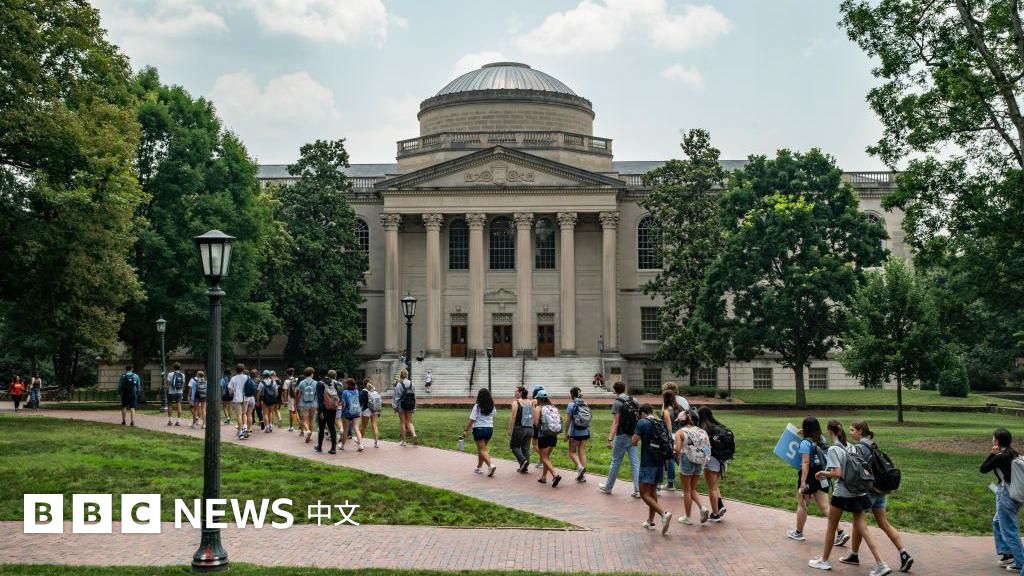

The U.S. Department of Homeland Security announced on July 16, 2026, that it will end a longstanding visa policy and impose a four-year maximum stay for international students holding F-1 and J-1 visas, regardless of program length. The new rule, effective September 2026, replaces the "duration of status" framework that has permitted students to remain in the U.S. for the full length of their degree programs since 1978. The shift transfers visa extension authority from educational institutions to the federal government, requiring students seeking additional time to apply through U.S. Citizenship and Immigration Services and undergo biometric vetting, background checks, and fraud screening.
The policy introduces several additional restrictions. Students now have 30 days rather than 60 to depart, transfer schools, or change visa status after graduation. The rule limits students' ability to change majors or transfer between institutions, with particular restrictions on first-year undergraduates and graduate students. Optional Practical Training (OPT) time—which allows work experience after graduation—now counts against the four-year cap, though those applying within six months of the rule's start receive temporary relief. Students already in the U.S. will automatically transition to the new system, with their four-year limit beginning from the rule's effective date.
Homeland Security Secretary Markwayne Mullin framed the change as necessary to prevent abuse, stating: "For decades, foreign students have been admitted into the U.S. indefinitely, allowing thousands to abuse our immigration system by perpetually enrolling in courses to avoid having to leave." The department characterizes the new rules as strengthening national security through regular vetting and restoring integrity to the immigration system. The rule applies also to I visa holders (foreign media representatives), who face tightened stays, with most capped at 240 days.
Education organizations have sharply criticized the policy. The Association of International Educators (NAFSA), represented by Chief Executive Fanta Aw, called it "misguided and unnecessary," arguing it "injects uncertainty, bureaucracy, and fear into a system that has worked effectively for decades." Critics note that the four-year limit is insufficient for many graduate and doctoral programs, particularly in science, technology, engineering, and mathematics fields where research delays and funding constraints commonly extend study timelines. The Presidents' Alliance on Higher Education and Immigration highlighted that extended graduation is "very common" and should remain an educational institution decision, not a federal immigration matter.
California, which enrolled approximately 140,000 international students in 2024–25, faces particular impact. The University of California system hosts roughly 34,500 international students, while USC enrolled nearly 12,000. National enrollment data showed new international student enrollment fell 17% in fall 2025 before the rule's announcement. The policy represents part of a broader Trump administration immigration restriction agenda that has included social media screening of visa applicants and expanded travel bans.
Entities
Why This Matters
The four-year cap directly affects approximately 140,000 international students currently enrolled in California and similar cohorts nationwide. Graduate and doctoral programs—particularly in science, technology, engineering, and mathematics fields—commonly extend beyond four years due to research timelines and funding constraints; affected students must now seek federal extensions rather than institutional approval, adding processing delays and biometric vetting. Post-graduation work-time (OPT) now counts against the cap, reducing practical training opportunities. Universities with large international populations (UC system: ~34,500; USC: ~12,000) face enrollment pressure and operational complexity, while international student recruitment may decline further given new visa uncertainty.
Timeline & Sources
Jan 1, 1978
WireDuration of Status policy for international students established, allowing students to remain for full degree duration
Jul 16, 2026
WireDepartment of Homeland Security announces four-year cap on F-1 and J-1 visa stays; policy details released
Jul 17, 2026
WireMultiple news outlets report on new visa policy; criticism from education organizations begins
Sep 17, 2026
WireNew international student visa rules officially take effect (approximately September 2026)
Sources
- 特朗普政府收緊外國學生簽證規定bbc_zhongwenMediaJul 17, 2026
- US student visa policy: Trump administration tighten visa rules for foreign studentsBBCMediaJul 17, 2026
- 美国政府新规收紧国际学生等入境居留期限ifengMediaJul 17, 2026
- 美国收紧国际学生逗留期限 最长4年须申请延期crnttMediaJul 17, 2026
- 9月起收紧国际学生逗留期限!详解美国签证新规ifengMediaJul 17, 2026
- New rule caps foreign student visas at four years, jolting California campusesLos Angeles TimesMediaJul 17, 2026