
Geo
Published Jul 10, 2026Updated Jul 12 Major6
100%
Iran closes Strait of Hormuz, US launches third military strike wave
Iran closed the Strait of Hormuz on Sunday and said it would bar all transit while US military operations continue, after the US launched its third wave of strikes against Iranian targets. The escalation followed a week of escalating military exchanges over Iranian attacks on commercial vessels, with regional effects felt in Bahrain, the UAE, and Qatar. US officials indicated Iran had privately acknowledged the shipping attacks as a mistake by hardline factions, but the Trump administration demanded public acknowledgment.
Quick Facts
- Iran announced temporary closure of Strait of Hormuz
- IRGC navy declared no ships permitted to transit during US operations
- US launched third wave of military strikes against Iranian targets
- Iran allegedly fired at commercial vessels in Strait of Hormuz
- Missile and drone attacks on UAE and Qatar
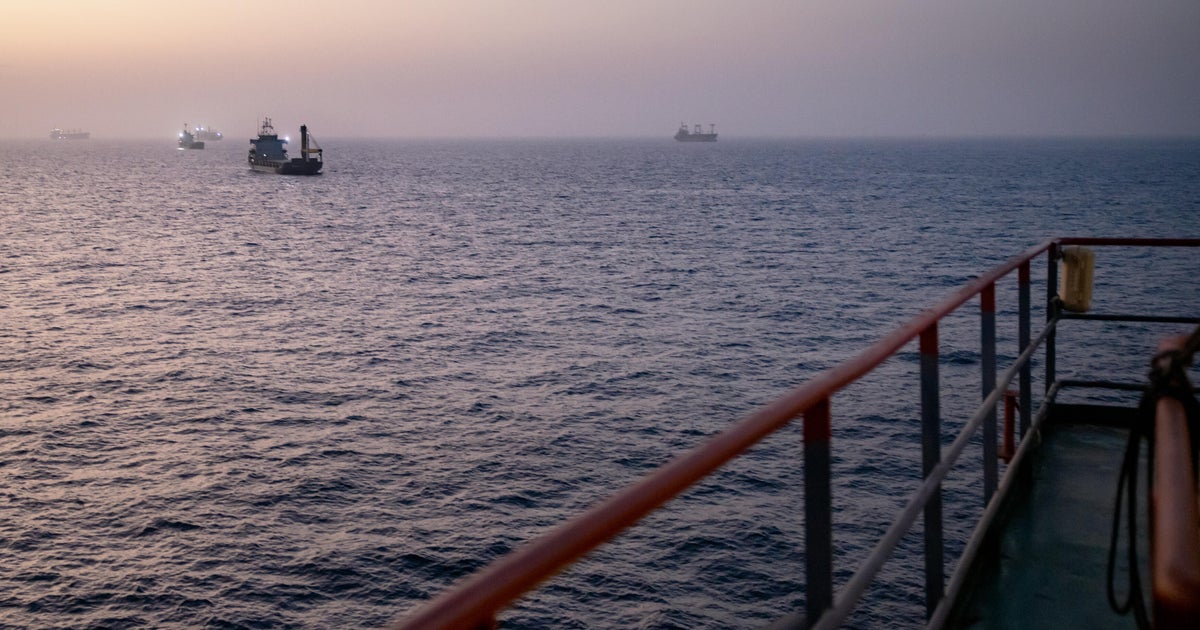
Escalating tensions between the United States and Iran culminated over the weekend with Iran announcing a temporary closure of the Strait of Hormuz and the US launching a third wave of military strikes against Iranian targets. The Islamic Revolutionary Guard Corps (IRGC) navy announced on Sunday that it had temporarily closed the strategic waterway until further notice, citing a warning-shot incident against a vessel and attributing the action to "illegal foreign interference." The IRGC warned that no ships would be permitted to transit while US military operations continued in the region.
The latest exchange represents a significant escalation following days of back-and-forth military actions. The crisis began last Friday when Iran allegedly fired at commercial vessels in the Strait of Hormuz, prompting US military retaliation. The US Central Command confirmed it launched the third round of strikes in the early hours of Sunday in response to what it characterized as an assault on a civilian vessel. Explosions were reported across Iran's southern coast, including in Bandar Abbas, Sirik, Chabahar, and on Qeshm island, as well as in Asaluyeh and Bushehr province.
Regional impacts extended beyond Iran, with missile alert sirens sounding in Bahrain as the United Arab Emirates and Qatar came under attack. The UAE's defense ministry confirmed its air defense systems were engaging missile and drone threats, while Bahrain's interior ministry urged citizens and residents to seek safe locations and remain calm.
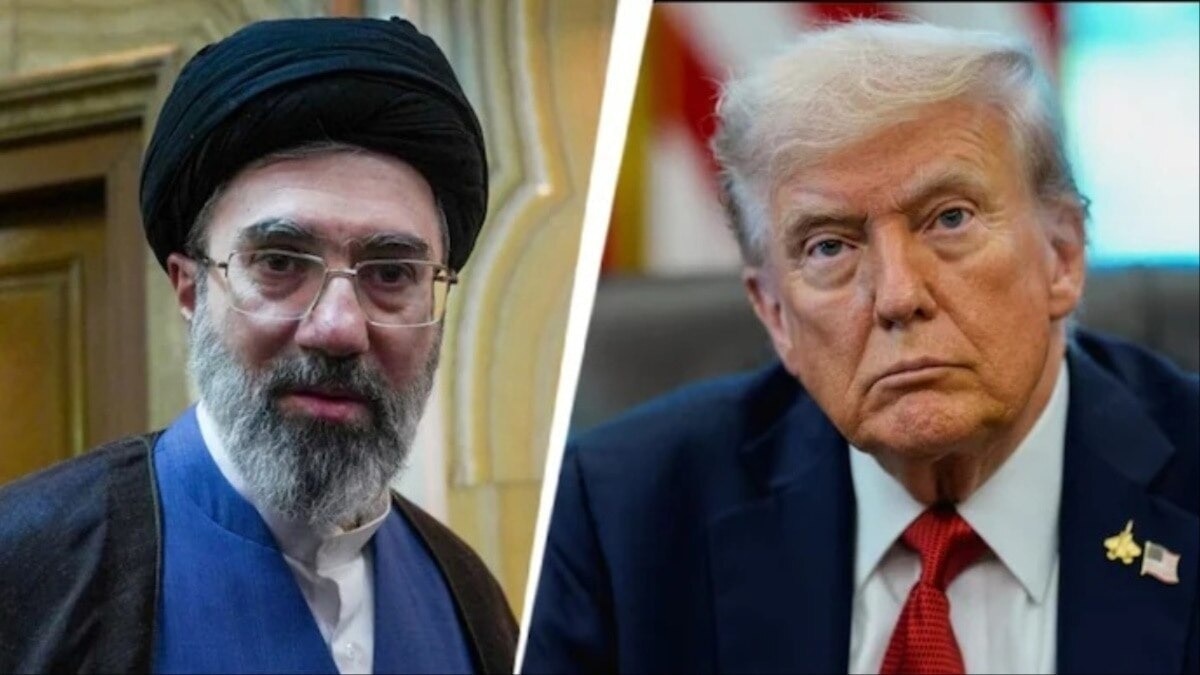
The conflict follows deeper strategic disputes over control of the Strait of Hormuz, a waterway through which approximately one-fifth of the world's seaborne oil trade passes. According to US officials cited by CBS News, Iran had privately told Trump advisers that the attacks on commercial ships were a mistake perpetrated by an "errant" faction of hardliners attempting to derail negotiations. However, the Trump administration alleged that Iran had actually reneged on an agreement to keep the southern shipping lane open after being surprised by the volume and speed of maritime traffic. The White House demanded public acknowledgment of the mistake, viewing the attacks as a ceasefire violation, and scheduled talks in Oman for Saturday to address the maritime corridor issue and Iran's nuclear program.
Why This Matters
The Strait of Hormuz carries roughly one-fifth of global seaborne oil trade; its closure directly impacts energy prices and supply chains worldwide. The escalating military cycle between the US and Iran threatens regional stability, with strikes now extending to the UAE and Qatar. The Trump administration's demand for public Iranian acknowledgment of shipping attacks signals a shift from private diplomacy to public confrontation, raising the stakes for upcoming Oman negotiations on both the strait and Iran's nuclear program.