
Geo
Published Jun 19, 2026Updated Jun 231
69%
Fed's Tight Policy Strengthens Dollar While Middle East Tensions Ease, Pressuring Gold
The Federal Reserve's tight monetary policy strengthens the dollar and dampens gold demand as high interest rates reduce safe-haven appeal. Easing Middle East tensions and stable U.S. labor conditions reinforce the Fed's focus on inflation control, while oil markets stabilize with confirmed Strait of Hormuz shipping flows and semiconductor stocks gain on U.S.-focused chip manufacturing plans.
Quick Facts
- Fed maintains tight monetary policy to combat inflation
- USD/KZT exchange rate declined to 487.73
- TONIA rates decreased to 16.50 percent
- SWAP-1D rates rose to 12.85 percent
- Oil prices recovered 0.4 percent to $79.90 per barrel

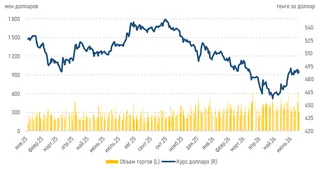
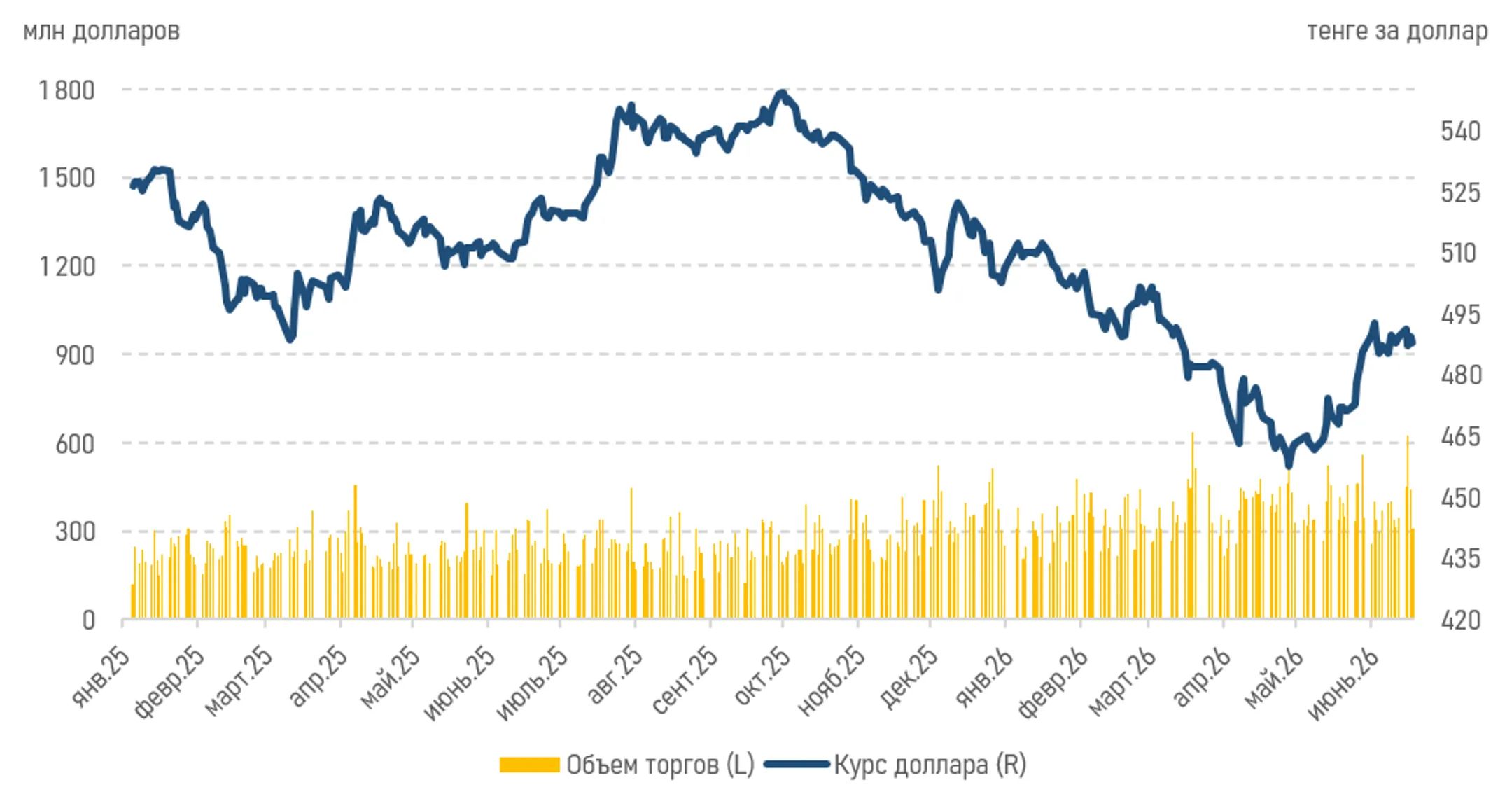
The Federal Reserve's stringent monetary policy continues to support dollar strength against emerging market currencies, with the Kazakh tenge trading at 487.73 per dollar on Thursday following a 1.50 tenge decline. Trading volume reached 309.8 million dollars, reflecting reduced foreign currency purchases by local market participants who have satisfied import contract and external debt obligations. The tenge demonstrated resilience despite elevated oil market volatility, suggesting adequate foreign currency supply in the market.
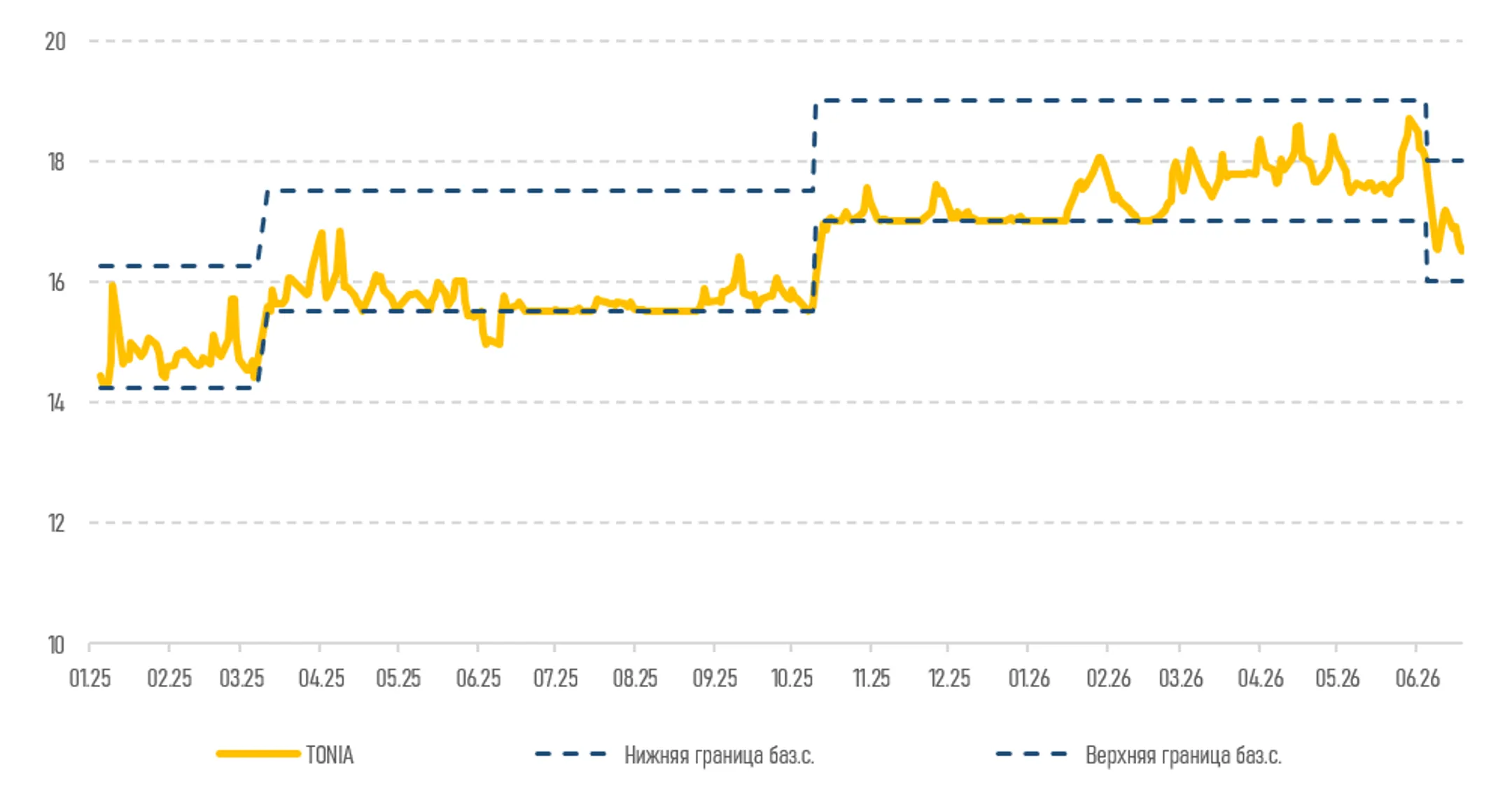
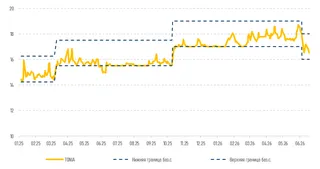
On Kazakhstan's money market, mixed dynamics emerged as TONIA rates decreased to 16.50 percent from 16.64 percent, while SWAP-1D rates rose to 12.85 percent from 12.69 percent. Total trading volume stood at 673.8 billion tenge, with the National Bank of Kazakhstan maintaining outstanding debt to market participants at 7.1 trillion tenge. Short-term rates remained below the policy rate, primarily influenced by liquidity distribution among market participants.
The Fed's commitment to combating inflation through sustained high interest rates has diminished gold's appeal as a safe-haven asset. This effect has been compounded by reduced Middle East tensions, which have lowered demand for traditional hedges against geopolitical risk. U.S. unemployment claims data released Thursday showed 226,000 initial jobless claims, slightly above the 225,000 forecast and up 4,000 from the prior week, though analysts attributed the uptick to temporary seasonal factors related to the academic calendar. The stable U.S. labor market provides the Fed with flexibility to maintain its inflation-focused approach without rushing toward monetary easing.
Oil markets showed modest recovery, with crude climbing 0.4 percent to $79.90 per barrel, supported by statements from U.S. Vice President JD Vance confirming unobstructed tanker passage through the Strait of Hormuz overnight, with over 12 million barrels transported. This compares to pre-conflict daily flows of approximately 14 million barrels plus 6 million barrels of refined products. Market participants continue to price in geopolitical risk premiums reflecting potential supply disruptions from Middle East escalation.
Risky assets advanced broadly, with major U.S. equity indices gaining 0.1 to 1.9 percent as hopes for Middle East peace outweighed concerns about potential Fed rate increases. Intel led semiconductor gainers with a 10.6 percent surge following President Donald Trump's announcement of Intel-Apple collaboration on U.S. chip design, while Nvidia and Micron Technology rose approximately 3 percent and 9 percent respectively. Apple signaled plans to raise prices across its product line due to rising memory and storage chip costs driven by artificial intelligence infrastructure development.
Why This Matters
This confluence of events—sustained Fed tightening, dollar strength, and easing geopolitical risk—creates immediate portfolio implications for investors. Lower gold demand and stabilizing oil reduce hedging costs, while semiconductor and tech stocks gain on policy clarity around U.S. chip manufacturing. For emerging market participants (notably Kazakhstan), the strong dollar pressures import costs and foreign currency earnings, necessitating active currency management and debt refinancing strategies.
Timeline & Sources
Jun 19, 2026
WireUSD/KZT trading: rate declines to 487.73; TONIA down to 16.50 percent; SWAP-1D up to 12.85 percent
Jun 19, 2026
WireU.S. unemployment claims: 226,000 filed, slightly above forecast
Jun 19, 2026
WireIntel stock rallies 10.6 percent following Trump's Apple collaboration announcement
Jun 19, 2026
WireApple announces plans to raise product prices due to chip costs
Jun 19, 2026
WireOil prices recover to $79.90 per barrel, up 0.4 percent