
AI
Published Jun 17, 2026Updated Jun 181
59%
NBA Anti-Tanking Reforms Revive Trae Young's Trade Value
The NBA implemented draft lottery reforms in May 2026 to combat tanking, expanding the lottery to 16 teams and creating a relegation zone. These changes have revitalized Trae Young's trade value by incentivizing teams to compete in the regular season, making floor-raiser players like Young more attractive assets.
Quick Facts
- NBA implemented draft lottery reforms
- Expanded lottery from 14 to 16 teams
- Flattened lottery odds
- Created relegation zone penalizing bottom three teams
- Trae Young traded to Washington Wizards
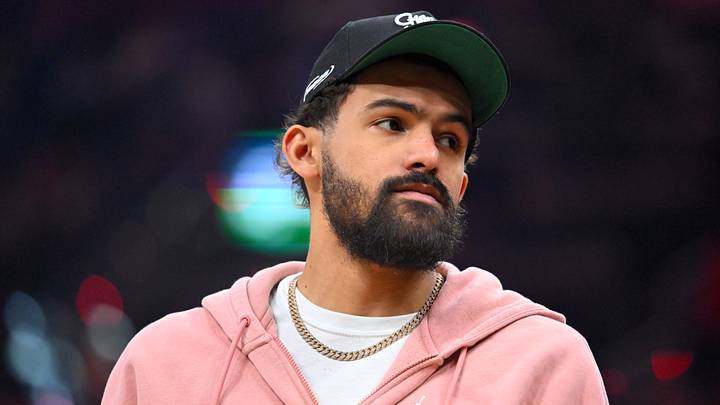
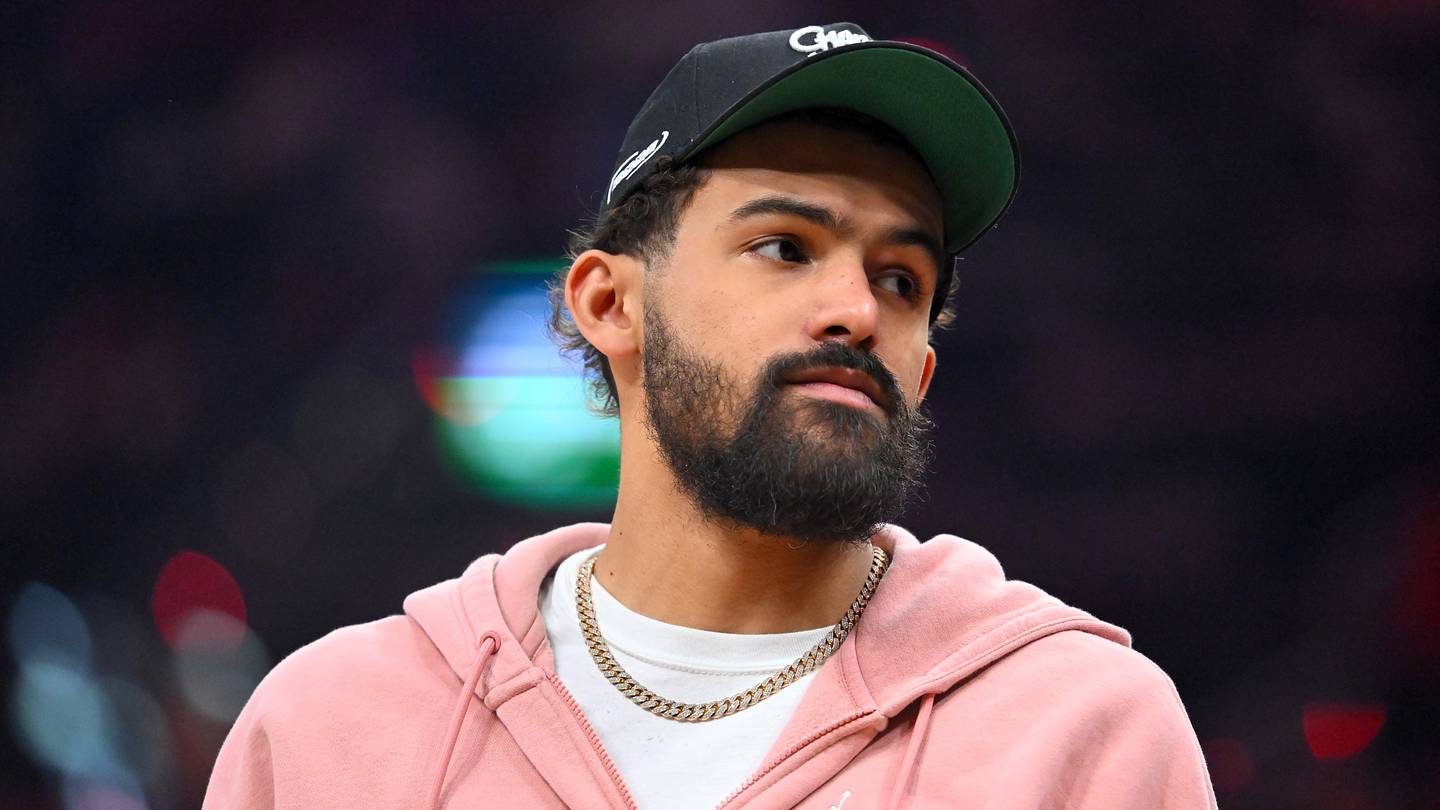
The NBA implemented significant draft lottery reforms in late May 2026 to address the persistent problem of tanking, which has compromised the quality of regular-season play. The changes include expanding the lottery from 14 to 16 teams, flattening lottery odds, and creating a relegation zone that penalizes the bottom three teams in the league. These reforms are expected to take effect as early as the 2026-27 season and fundamentally reshape how teams approach roster construction and mid-season strategy.
Trae Young's trade value has been notably revitalized following the anti-tanking reforms, according to NBA insider Jake Fischer. Interest in acquiring the four-time All-Star guard has spiked compared to earlier in 2026, when few teams expressed interest in trading for him. Young's acquisition by new teams now appears more attractive because the reformed draft lottery incentivizes teams to compete in the regular season regardless of championship contention prospects. This shift addresses Young's previous reputation as a risky acquisition for contenders due to his ball-dominant playing style and defensive limitations.
The new lottery structure creates demand for "floor-raiser" players like Young—offensive talents capable of elevating a team's regular-season performance enough to secure fringe playoff positioning. While Young's salary demands (29.7 percent of the salary cap next season) make winning a championship with him extremely difficult, the reformed incentive structure values teams that can maintain respectability and fan engagement in the regular season. Young's offensive capabilities, particularly his ability to generate paint touches and find open shooters, provide a solid foundation for rebuilding or mediocre teams seeking to improve their standing.
Young's previous trade value had collapsed earlier in 2026, forcing the Atlanta Hawks to deal the franchise's most accomplished player for two veterans—CJ McCollum and Corey Kispert—without draft capital compensation. The anti-tanking reforms represent a structural shift in league priorities, attempting to balance competitive equity with regular-season entertainment value. While the changes may produce unintended consequences, NBA officials and analysts anticipate that increased emphasis on regular-season performance will make the upcoming season more compelling for dedicated fans.
Entities
- Trae Young
- Adam Silver
- Jake Fischer
- NBA
- Atlanta Hawks
- Washington Wizards
- CJ McCollum
- Corey Kispert
Why This Matters
These NBA reforms directly reshape player valuation and trade markets across the league. Fans benefit from higher-quality regular-season competition; rebuilding teams now have incentive to acquire proven scorers like Young rather than tank; and players themselves face a fundamentally changed career landscape where mid-tier talents regain relevance. Understanding these structural changes is essential for tracking franchise strategies and player movement through the 2026-27 season.
Timeline & Sources
Jun 17, 2026
WireJake Fischer reports spike in interest for Trae Young following anti-tanking reforms