
Emerging
Published Jun 27, 2026Updated Jun 28 Major11
100%
U.S. and Iran Exchange Intensified Military Strikes Over Strait of Hormuz
The U.S. and Iran conducted successive military strikes in late June 2026, with the U.S. targeting ten Iranian military sites in response to drone attacks on commercial vessels, and Iran retaliating with missile and drone strikes on American military bases in Kuwait and Bahrain. Both sides accused each other of violating the June 17 ceasefire agreement, raising concerns that the fragile accord could collapse entirely.
Quick Facts
- U.S. conducted strikes on Iranian military targets
- Iran launched drone attacks on commercial shipping
- Iran retaliated with ballistic missiles and drones on U.S. bases
- Both sides accused each other of ceasefire violations
- Kuwait and Bahrain activated air defense systems

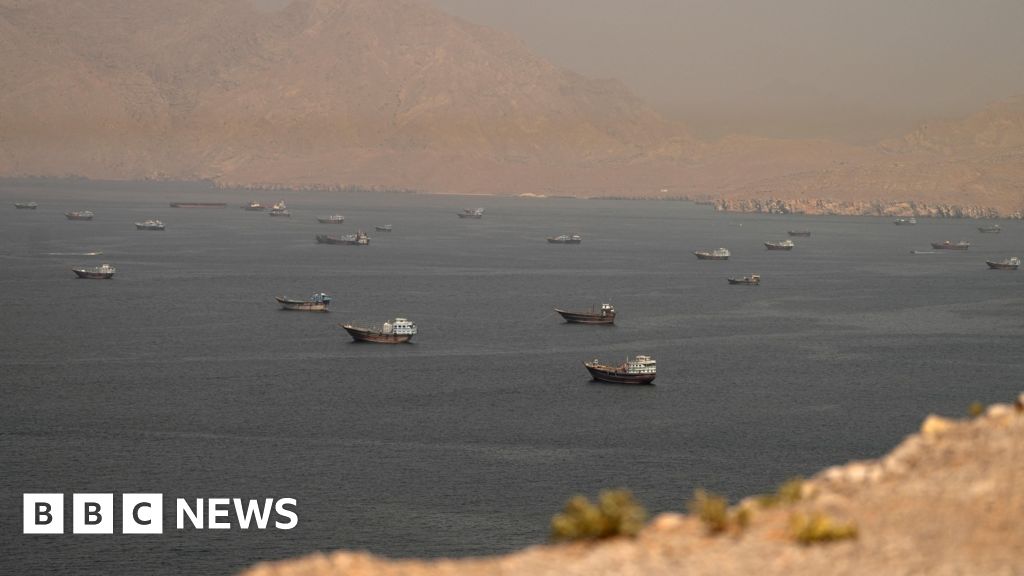

The United States and Iran have escalated military hostilities dramatically in late June 2026, with both nations conducting multiple rounds of strikes in and around the Strait of Hormuz. The cycle of escalation intensified on June 27-28, following Iranian drone attacks on commercial vessels. On June 27, U.S. Central Command conducted strikes targeting ten Iranian military sites across multiple locations in and near the Strait of Hormuz, including military surveillance infrastructure, communication systems, air defense facilities, drone storage locations, and minelayer capabilities. The U.S. military justified these strikes as a direct response to what it characterized as "continued Iranian aggression against commercial shipping," specifically citing drone attacks on the Panama-flagged MT Kiku tanker and earlier attacks on the Singapore-registered Ever Lovely container ship.
In retaliation, Iran's Islamic Revolutionary Guard Corps launched ballistic missiles and drones at U.S. military installations in Kuwait and Bahrain on June 28. The IRGC claimed to have destroyed eight key pieces of infrastructure at the Ali al-Salem airbase in Kuwait and the Fifth Naval Fleet headquarters at Port Salman in Bahrain. Iran justified its attacks by asserting that the U.S. had struck five Iranian coastal posts under the pretext of responding to Iran's efforts to intercept vessels transiting unauthorized routes through the Strait of Hormuz. According to a Memorandum of Understanding signed on June 17, Iran maintains responsibility for controlling passage and navigation through the strategic waterway.
Both sides accused each other of violating the ceasefire agreement established earlier in the month. The U.S. claimed Iran violated the accord by attacking commercial shipping, while Iran contended the U.S. breached the agreement through its military strikes. President Trump stated on Truth Social that U.S. forces struck Iranian missile and drone storage locations and coastal radar sites, and warned of potential future military action, saying "There may come a point when we are no longer able to be reasonable, and will be forced to militarily complete the job that we very successfully started. If that happens, the Islamic Republic of Iran will no longer exist." Iran's Foreign Ministry condemned the strikes as "brutal attacks" violating the ceasefire and the UN Charter, accusing the U.S. of lacking credibility in honoring commitments.
Kuwait and Bahrain activated their air defense systems in response to Iranian strikes and condemned the attacks as violations of their sovereignty. A U.S. official confirmed to Reuters that there were no reported American casualties or major damage to U.S. facilities in the Middle East. The IRGC warned that future enforcement of shipping regulations through the Strait of Hormuz would be more forceful, and threatened that any further U.S. aggression would face "a crushing response." Iranian Foreign Minister Abbas Araghchi stated that Iran would maintain total oversight of the Strait of Hormuz for the next 30 days and called for all parties to honor their obligations under the Memorandum of Understanding, warning that violations would exacerbate the situation and delay reopening the waterway.
Military analysts noted that the U.S. targeted the same Iranian locations it had previously struck, with U.S. Department of Defense officials explaining that Iran had repaired and redeployed air defense and missile systems along the Strait of Hormuz since the U.S. suspended bombing operations in April. The latest exchanges represent the most serious violation of the fragile ceasefire since its establishment and threaten to derail ongoing diplomatic efforts to stabilize the region. Commercial maritime traffic continued to operate in the Strait of Hormuz despite the escalation, though the International Maritime Organization had previously suspended evacuation plans for stranded vessels following earlier attacks.
Why This Matters
This escalation represents the most serious breach of the June ceasefire since its establishment, directly threatening regional stability and global energy security. The Strait of Hormuz handles approximately 21% of world petroleum trade; continued military exchanges risk disrupting maritime commerce, raising oil prices, and making diplomatic de-escalation increasingly difficult. Readers tracking Middle East geopolitics, energy markets, or supply chain risks need to understand that the fragile U.S.–Iran accord is now on the brink of collapse.
Timeline & Sources
Jun 17, 2026
WireU.S. and Iran sign ceasefire agreement (Memorandum of Understanding)
Jun 25, 2026
WireIranian drone attacks Singapore-registered container ship Ever Lovely in Strait of Hormuz
Jun 28, 2026
WireTrump posts on Truth Social claiming U.S. struck Iranian missile and drone storage locations and coastal radar sites
Jun 28, 2026
WirePresident Trump posts on Truth Social stating U.S. struck Iranian missile and drone storage locations and coastal radar sites
Sources
- US and Iran exchange strikes and accuse each other of violating ceasefireBBCMediaJun 28, 2026
- Urgent: Explosions heard in S. Iran as U.S. claims additional strikes against multiple targetsxinhuaMediaJun 27, 2026
- U.S. conducts further strikes against Iran: U.S. commandxinhuaMediaJun 27, 2026
- Urgent: Trump says U.S. struck Iran's missile and drone storage locations, coastal radar sitesxinhuaMediaJun 28, 2026
- CENTCOM says it struck ten military targets in IrantassMediaJun 28, 2026
- Iran attacks Kuwait and Bahrain in response to US strikesAl JazeeraMediaJun 28, 2026
- 美伊再度互相打击对方目标crnttMediaJun 28, 2026
- 特朗普指责伊朗违反停火协议crnttMediaJun 28, 2026
- 伊朗革命卫队称打击8处美军设施crnttMediaJun 28, 2026
- 伊朗革命卫队称将加大打击“违规船只”的力度crnttMediaJun 28, 2026
- 美官员称中东地区美军设施未受到重大影响crnttMediaJun 28, 2026