
Yesterday·Geo
Follow-up 2h ago5
91%
Singapore Tenfolds Haze Pollution Fines to $16 Million, Expands Enforcement Powers
Singapore unanimously passed amendments to the Transboundary Haze Pollution Act on November 4, increasing maximum criminal fines tenfold to $16 million and introducing new economic sanctions including restricted business listings and mandatory audits. The changes grant authorities power to intervene before haze reaches Singapore and respond to a severe 2026 haze episode caused by Indonesian fires.
Quick Facts
- Amendments to Transboundary Haze Pollution Act passed unanimously
- Criminal penalties increased tenfold
- Civil penalty framework introduced
- Economic enforcement tools authorized (restricted listing, supply chain restrictions, financial service limits)
- Independent audits mandated at company expense
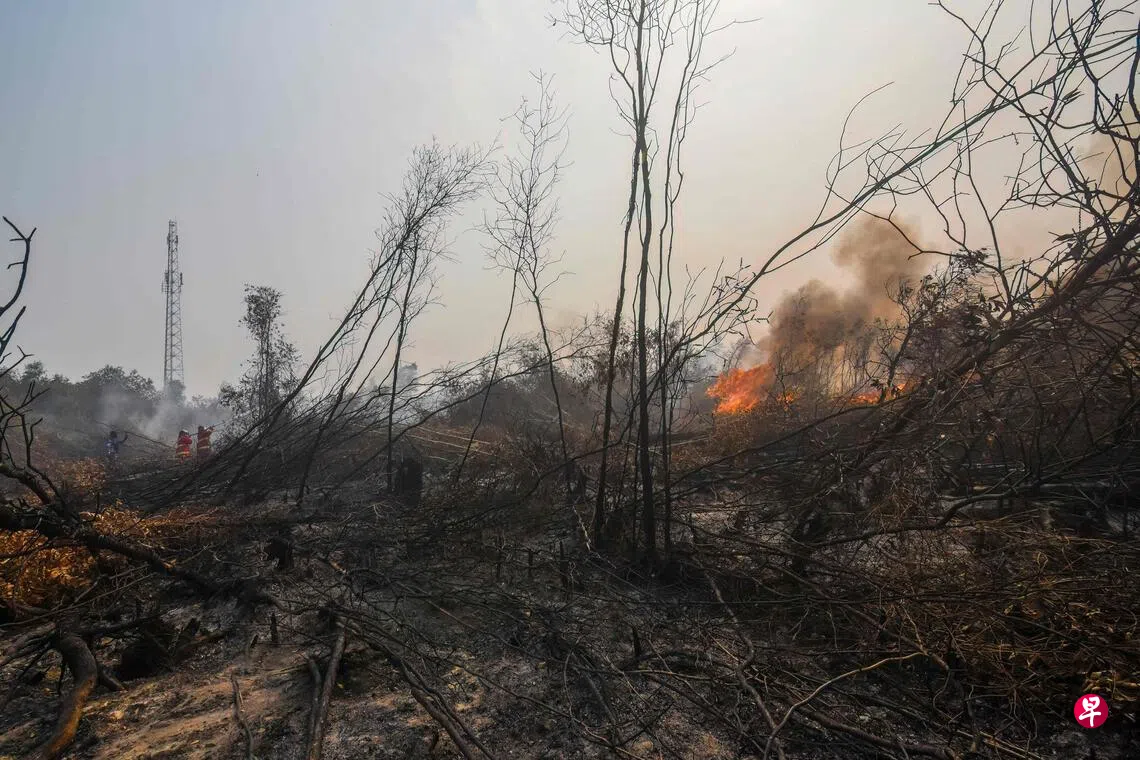

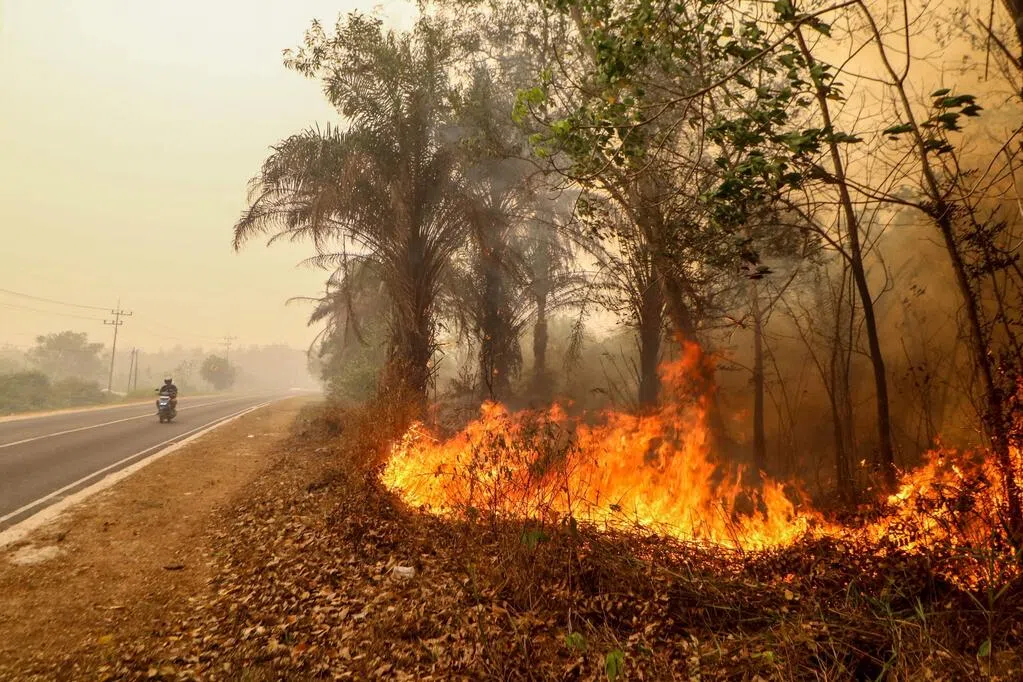

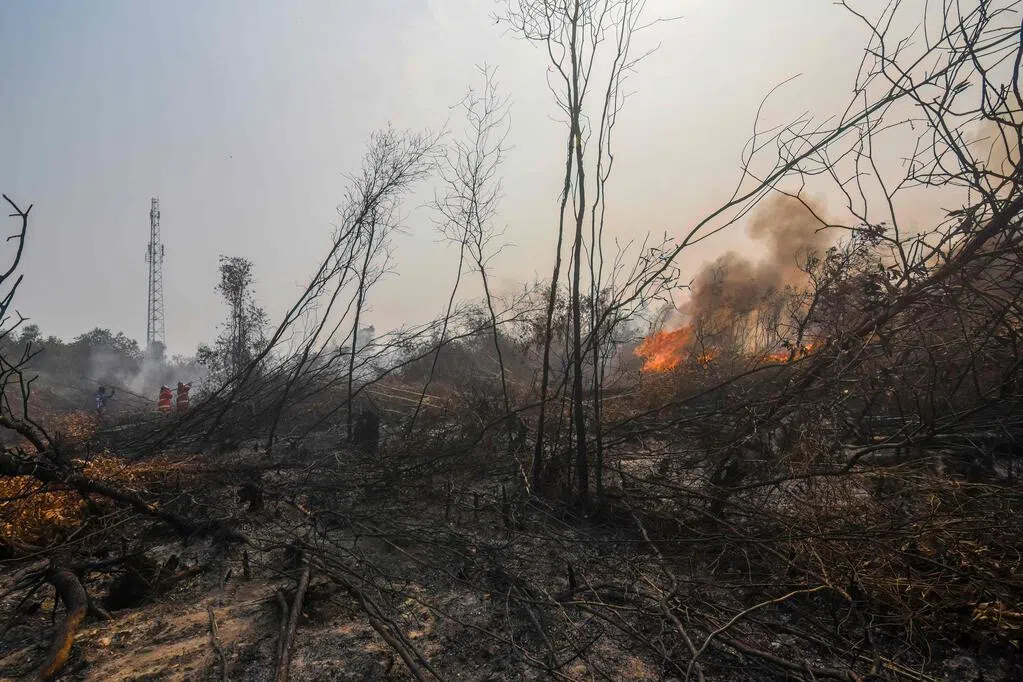
Singapore's parliament unanimously passed amendments to the Transboundary Haze Pollution Act on November 4, 2026, significantly strengthening enforcement mechanisms against companies and individuals responsible for haze pollution from neighboring countries. The legislative changes represent the first major revision to the 2014 act and were prompted by a severe haze episode from September to October 2026, during which the air pollution index exceeded unhealthy levels for 33 days and reached very unhealthy levels on five days.
The amendments increase maximum criminal penalties tenfold: daily fines rise from 100,000 Singapore dollars (SGD) to 1 million SGD (approximately $800,000 USD), while cumulative fines increase from 2 million SGD to 20 million SGD (approximately $15.64 million USD). Courts may now impose in absentia proceedings against defendants located abroad or unreachable. The act additionally introduces a civil penalty framework with maximum penalties of 10 million SGD, and courts can order confiscation of profits gained or losses avoided through violations.
Beyond criminal and civil penalties, the government gained new economic enforcement tools. Authorities may designate entities suspected of or convicted of offenses on a "restricted list," limiting their access to business dealings, supply chains, loans, and financial services. The National Environment Agency (NEA) can require private-sector audits at the accused entity's expense and publish names of entities failing to comply with regulatory directions. These measures allow Singapore to restrict business relationships—including supermarket supply or procurement—and to prevent lending and other financial support to implicated companies.
The act's scope expanded to enable intervention before haze reaches Singapore. Previously, government action required continuous 24-hour unhealthy air quality levels; now authorities may pursue legal action if a foreign entity's activities create a risk of haze pollution to Singapore, even before atmospheric detection. Environment Minister Grace Fu emphasized the need for "more effective ways to obtain and verify information, track complex corporate relationships, and apply meaningful sanctions against errant entities," while respecting neighboring sovereignty and international law.
The original 2014 act faced implementation challenges due to jurisdictional limits and difficulty obtaining overseas evidence. Violations now constitute arrestable offenses. The NEA may compel suspected entities to appoint independent auditors to investigate operations, business relationships, and supply chains—though designation does not presume guilt. Companies claiming fires were started by third parties must prove they took reasonable measures to prevent and combat fires on their land.
Experts note that while tougher enforcement strengthens Singapore's capacity, sustained regional cooperation with Indonesia and ASEAN neighbors remains essential to prevent future haze episodes. Indonesia's fires from January through September 2026 burned over 1.9 million hectares; causes cited include drought linked to El Niño, deforestation, and peatland drainage.
Why This Matters
Singapore faces recurring transboundary haze from Indonesian fires that disrupted air quality for 33 days in 2026. The tenfold penalty increase (to $15.64 million USD cumulative fines) and new economic tools—restricted business listings, supply chain exclusions, financial service blocks—extend enforcement reach to foreign entities and pre-emptively target activities creating haze risk before atmospheric detection. Audits and profit confiscation shift liability burden to accused companies. Success depends on regional cooperation; Indonesia's 1.9 million hectares burned in 2026 underscores structural drivers (drought, deforestation, peatland drainage) that legal measures alone cannot resolve.
Timeline & Sources
Jan 1, 2014
WireTransboundary Haze Pollution Act originally enacted
Sep 4, 2026
WireSevere haze episode begins in Singapore
Oct 25, 2026
WireSevere haze episode ends
Nov 4, 2026
WireParliament unanimously passes amendments to Transboundary Haze Pollution Act
Sources
- 我国修法施压涉烧芭企业 列入“受限名单”政府可采取经济手段zaobaoMediaNov 4, 2026
- 非法烧芭引发烟霾 最高罚款额拟增10倍至2000万元zaobaoMediaNov 4, 2026
- Singapore to raise maximum haze pollution fine tenfold to nearly 16 mln USDxinhuaMediaNov 4, 2026
- Сингапур ввёл многомиллионные штрафы и аресты для компаний, причастных к распространению смога из соседних странNEWS.amMediaNov 4, 2026
- Сингапур в десять раз увеличил штрафы для предприятий, вызывающих трансграничное задымление.Vietnam.vnMediaNov 4, 2026