
Geo
Published Jul 18, 2026Updated Jul 214
95%
Trump says Canada 'poisoned' U.S. air with wildfires, hints at tariffs
President Trump accused Canada of poisoning U.S. air with smoke from wildfires and suggested Canada should pay damages or face new tariffs. Canada's leaders rejected the blame, with Trump and Prime Minister Carney discussing the issue during the World Cup Final in New Jersey. The smoke has affected over 100 million Americans across 14 states since the fires began in mid-June.
Quick Facts
- Trump accused Canada of poisoning U.S. air with wildfire smoke
- Trump and Carney spoke at the World Cup Final in New Jersey
- Trump suggested Canada pay damages or face new tariffs
- Trump posted on social media describing willful negligence and billions in costs
- Ontario Premier Ford rejected criticism and noted active firefighting efforts
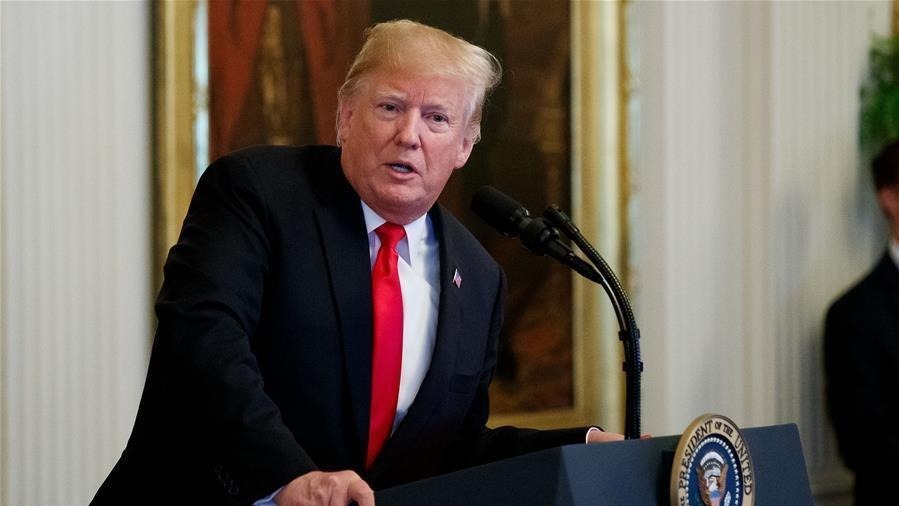


U.S. President Donald Trump has accused Canada of allowing smoke from its wildfires to poison American air, suggesting that Canada should pay damages or face new tariffs. Speaking to reporters at Joint Base Andrews on July 19 after attending the World Cup Final in New Jersey, Trump said he told Canadian Prime Minister Mark Carney during the match that Canada must stop the fires and that the U.S. might help, but Canada should provide compensation. Trump also posted on social media on July 17 describing the situation as willful negligence costing billions of dollars, which should be added to existing tariffs on Canadian goods.
The wildfires, which began in mid-June, have produced smoke that has spread from Canada's Ontario province into the U.S. Midwest and Northeast, affecting over 100 million Americans across 14 states, according to CBS. Air quality alerts have been issued in states including Minnesota, Michigan, Illinois, and Ohio, with some businesses in Michigan forced to close. New York state warned residents to take precautions, and experts have raised concerns about air quality at the World Cup Final held on July 19 in New Jersey, which drew over 80,000 spectators.
Ontario Premier Doug Ford rejected Trump's criticism, stating that Ontario is actively fighting 191 active fires and noted that Canada has previously helped the U.S. during disasters. He suggested that the U.S. should lift tariffs on Canadian softwood lumber to allow Canada to clear forests and reduce fire risks. Prime Minister Carney, responding to U.S. criticism on July 16, attributed the fires to climate change, stressing shared responsibility and contrasting Canada's investment in clean energy with U.S. policies moving away from clean energy.
The U.S. has imposed tariffs of 25% on Canadian steel and aluminum, 10% on softwood lumber, and a 12.5% forced labor-related tariff, and the Trump administration declined to renew the USMCA. Environmental Protection Agency Administrator Lee Zeldin expressed concern about the fires. As of July 18, the U.S. National Weather Service predicted rain could improve conditions, but thick smoke may persist through the weekend.
Why This Matters
Wildfire smoke from Canada has affected over 100 million Americans across 14 U.S. states since mid-June, triggering air quality alerts and business closures. Trump's threat to impose new tariffs on Canada escalates trade tensions already high with existing tariffs on steel, aluminum, softwood lumber, and the non-renewal of USMCA. The dispute could disrupt cross-border trade and energy cooperation, affecting industries reliant on Canadian goods and U.S. air quality management.
Timeline & Sources
Jun 15, 2026
WireWildfires begin in Canada
Jul 15, 2026
WireNew York state issues air quality alert due to smoke
Jul 19, 2026
WireTrump and Carney speak at World Cup Final in New Jersey; Trump tells media Canada should pay damages or face tariffs
Jul 19, 2026
WireWorld Cup Final held amid smoke and heat concerns; Ford rejects blame and suggests lifting lumber tariffs