
Emerging
Published Jun 22, 2026Updated Jun 231
60%
US Space Force Conducts Secretive Orbital Response Exercise with Rocket Lab
The US Space Force conducted a secretive launch through Rocket Lab to test rapid-response orbital capabilities, sending a satellite into low-Earth orbit from New Zealand as part of the Victus Haze exercise to demonstrate ability to quickly assess threats in space.
Quick Facts
- Satellite launch from New Zealand
- Military responsive space exercise
- Orbital threat assessment demonstration
- US Space Force
- Rocket Lab
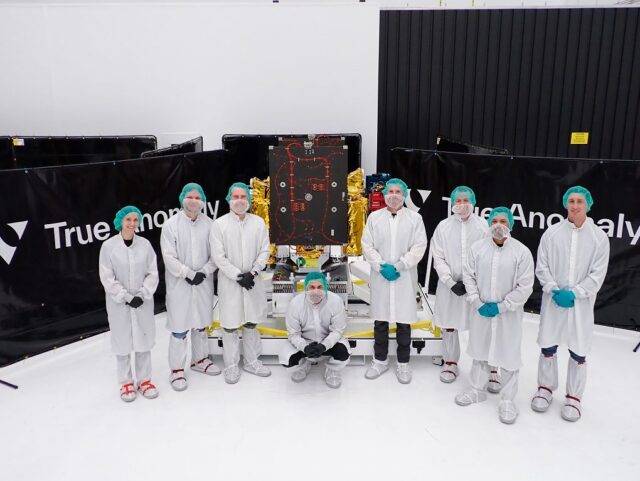
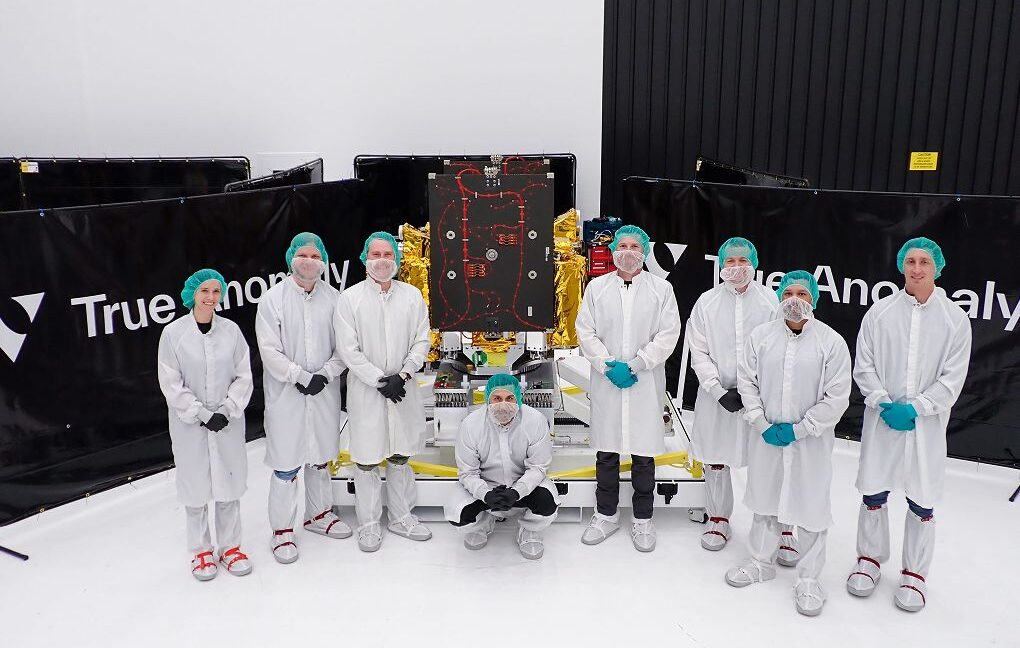
The US Space Force conducted a low-profile military exercise on Friday when Rocket Lab launched a small satellite from its spaceport in Māhia Peninsula, New Zealand, to test the military's ability to rapidly respond to threats in low-Earth orbit. The launch of the satellite designated Victus Haze Puma was announced to the public only through a standard warning to pilots and sailors to avoid the rocket's flight path. Rocket Lab, which typically livestreams its missions, did not broadcast this launch, and neither Rocket Lab nor Space Force officials had issued public statements about the mission as of Monday morning.
The exercise was only confirmed when the US military's catalog of space objects was updated over the weekend to include the newly launched satellite. The spacecraft was cataloged in a polar orbit ranging from 215 to 286 miles (347 to 461 kilometers) above Earth, with an orbital inclination of approximately 97.5 degrees from the equator.
The Victus Haze mission represents the Space Force's latest effort in responsive space operations. The Space Force announced the program in 2024, selecting Rocket Lab and True Anomaly as partners to build and launch two satellites into low-Earth orbit. The exercise works by having True Anomaly launch a satellite first to simulate an adversary spacecraft—such as one from China or Russia. Rocket Lab then maintains a satellite on standby, ready to launch on short notice to inspect and assess the target spacecraft in orbit.
The mission demonstrates the military's goal to dramatically compress the timeline for deploying new satellites and conducting orbital operations, moving from a traditional timeframe of years toward weeks, days, or even hours in response to emerging threats in space.
Why This Matters
This exercise signals a fundamental shift in military space operations doctrine. By compressing deployment timelines from years to hours, the Space Force is developing concrete capabilities to counter adversaries—particularly China and Russia—who may threaten US space assets. For defense-focused readers and policy makers, Victus Haze demonstrates that rapid orbital response is transitioning from concept to operational reality, reshaping space security priorities and procurement strategies.
Timeline & Sources
Jan 1, 2024
WireSpace Force announces Victus Haze mission and selects Rocket Lab and True Anomaly as partners
Jun 20, 2026
WireRocket Lab launches Victus Haze Puma satellite from New Zealand spaceport
Jun 21, 2026
WireUS military catalog updated to reflect launch of new satellite in low-Earth orbit
Jun 23, 2026
WireNo official public acknowledgment from Rocket Lab or Space Force as of Monday morning