
Emerging
Published Jun 23, 2026Updated Jun 23 Major2
83%
Indonesia's U-23 football team excluded from Asian Games 2026 due to new regulations
Indonesia's U-23 football team will not participate in the 2026 Asian Games due to a new regulation limiting participation to 16 teams that qualified for the 2026 AFC U-23 Asian Cup final tournament. After finishing second in their qualifying group behind South Korea, Indonesia failed to advance to the final tournament, resulting in their exclusion from the multisports event.
Quick Facts
- Indonesia's U-23 team excluded from Asian Games 2026
- New regulation limiting men's football to 16 AFC U-23 Asian Cup finalists
- Indonesia finished second in Group J of U-23 Asian Cup qualifiers
- KOI protested the new regulation
- AINAGOC rejected the protest



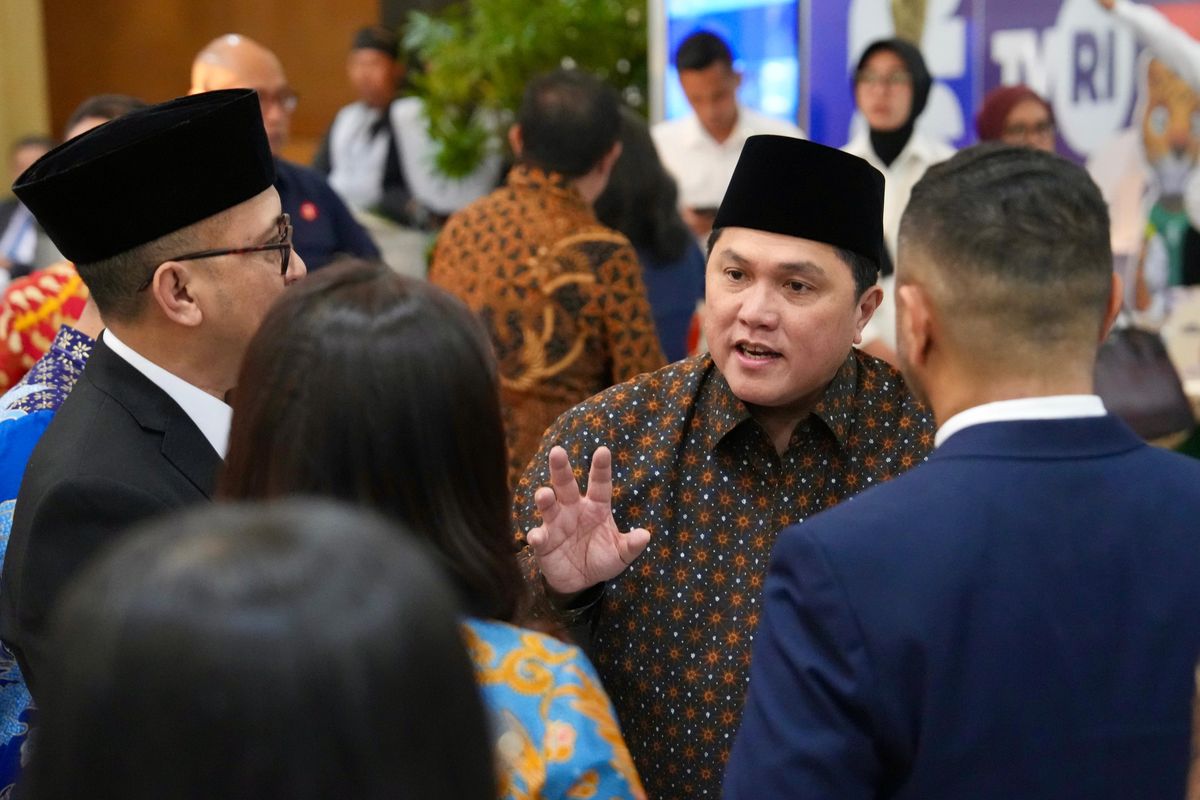
Indonesia's U-23 national football team will not compete at the 2026 Asian Games in Aichi and Nagoya, Japan (September 19 – October 4, 2026), according to Youth and Sports Minister Erick Thohir, who also chairs the Indonesian Football Association (PSSI). The exclusion results from a new regulatory framework established by the Asian Games 2026 organising committee (AINAGOC) in coordination with the Olympic Council of Asia (OCA) and the Asian Football Confederation (AFC).
Under the new rules, participation in men's football at the 2026 Asian Games is limited to 16 teams that qualify for the final tournament of the 2026 AFC U-23 Asian Cup. Indonesia's U-23 team failed to advance to that final tournament after finishing as runners-up in Group J of the qualifying round in September 2025, behind South Korea U-23. Only group winners from Groups A through K earned direct qualification to the U-23 Asian Cup final tournament.
Thohir confirmed the restriction when questioned by media at the Youth and Sports Ministry office in Jakarta on Tuesday, June 23, 2026, stating that the decision came from Asian Games and AFC regulations. The Indonesian Olympic Committee (KOI) had previously protested the new regulation, arguing it bypassed the standard qualification mechanism typically employed in continental multisports events. However, AINAGOC maintained its position without modification.
The new regulation significantly reduces participating nations compared to the 2022 Asian Games in Hangzhou, which featured 24 teams. Indonesia has historically been a regular participant in Asian Games football, competing 11 times previously, with its best finish being third place in 1958. However, in the three most recent editions prior to 2026, Indonesia was eliminated in the round of 16. The exclusion also contradicts the Indonesian Football Association's earlier strategy when it appointed John Herdman as senior national team coach at the start of 2026.
Why This Matters
This exclusion represents a significant shift in Asian Games football qualification policy, setting a precedent for how continental multisports events determine participant eligibility. For Indonesia, historically a regular Asian Games competitor, the new regulation eliminates opportunities for emerging talent development and reduces continental representation. The decision also highlights tensions between governing bodies' centralized rule-making and national federations' traditional expectations, with implications for how future Asian Games will structure eligibility criteria.