
Emerging
Published Jun 17, 2026Updated Jun 181
56%
Trump Claims Leadership at G7 Summit While Backing Ukraine and Imposing New Russia Sanctions
At the G7 summit in France, President Trump aligned with other leaders to support Ukraine and impose new sanctions on Russia, signaling a warming toward Kyiv's battlefield position and its leverage in potential peace talks. The summit also focused on reducing Western dependence on China for critical minerals and welcomed a preliminary US-Iran peace deal.
Quick Facts
- G7 summit held
- Joint statement on Ukraine support issued
- New sanctions against Russia announced
- Trump-Zelensky bilateral meeting
- Preliminary US-Iran peace deal welcomed

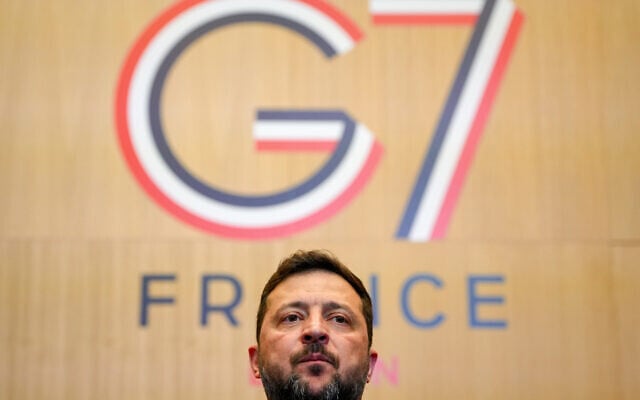
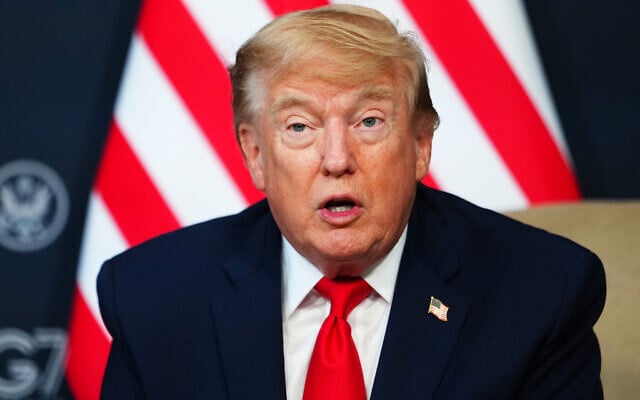
US President Donald Trump asserted his dominance at the G7 summit in Evian-les-Bains, France on June 15-17, 2026, declaring "I'm the boss" as he and other global leaders unified behind Ukraine's war position. The summit produced a joint statement affirming support for Kyiv and announcing fresh sanctions against Russia, marking a notable shift in Trump's stance toward Ukraine after years of skepticism. Ukrainian President Volodymyr Zelensky attended with the goal of demonstrating to Trump that Ukraine's battlefield successes positioned it favorably for potential peace negotiations and that Russia lacked grounds to dictate terms.
The G7 leaders' unified position reflects what Canadian Prime Minister Mark Carney characterized as a hardened stance toward Russia and a more realistic assessment of the conflict's realities. Trump had previously held a "very good" bilateral meeting with Zelensky, suggesting thawed relations. However, significant uncertainties remain regarding the durability of Trump's commitments, including whether bilateral talks will materialize and whether the United States will allow existing waivers to expire on sanctions restricting Russian oil exports.
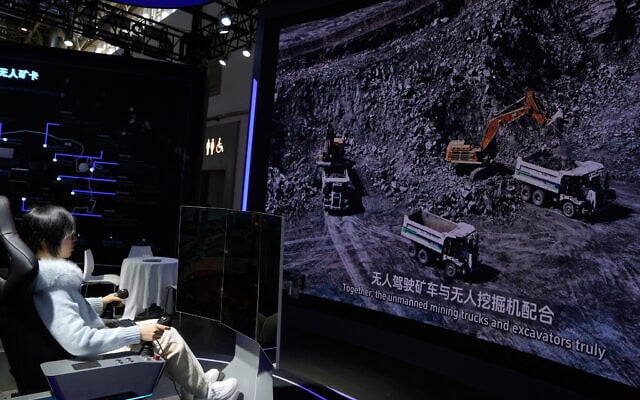
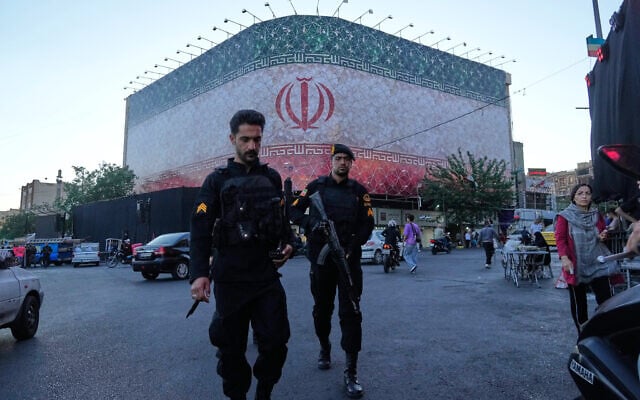
Beyond Ukraine, the summit agenda encompassed broader economic security concerns. Leaders welcomed a preliminary peace deal between the United States and Iran that Trump had signed before the summit, and committed to supporting its implementation. G7 nations discussed plans to diversify energy supply routes to reduce dependence on the Strait of Hormuz and increase strategic reserves. France led efforts to negotiate a joint statement on critical minerals aimed at reducing Western reliance on China, including discussions of price supports, market standards, subsidies, and guaranteed purchases to develop supply chains outside Chinese dominance. The initiative responds to China's 2025 restrictions on rare earth and battery metal exports, which had disrupted Western industries and supply chains.
Why This Matters
This summit represents a critical pivot in Trump's foreign policy approach to Ukraine, potentially reshaping the trajectory of peace negotiations and Western unity against Russian aggression. The coordinated G7 sanctions and Trump's public alignment with Ukraine's position could strengthen Kyiv's negotiating hand, though uncertainties about the durability of US commitments and lingering questions about sanctions enforcement remain significant risk factors for sustained Western support. The parallel focus on reducing China-dependent supply chains reflects broader realignment of global economic competition beyond the Ukraine conflict.
Timeline & Sources
Jan 1, 2025
WireChina imposed export restrictions on rare earth and battery metals