
Geo
Published Jun 23, 2026Updated Jun 26 Major3
97%
Colombia Elects Right-Wing Candidate Abelardo de la Espriella, Reshaping Regional Geopolitics
Abelardo de la Espriella, a right-wing Colombian lawyer and U.S. citizen, won the June 21 presidential election with less than 1% margin over leftist Iván Cepeda, marking a rightward shift in Colombian politics. The Trump administration actively supported his candidacy and views his victory as favorable to U.S. regional security, anti-narcotics, and migration objectives. The election reshapes South American geopolitics, leaving Brazil and Uruguay as the continent's only leftist-led governments.
Quick Facts
- Presidential election held with De la Espriella defeating Cepeda
- Trump administration openly supported De la Espriella's candidacy
- De la Espriella pledged aggressive action against drug trafficking and narco-terrorist camps
- U.S. conducted military operations against drug vessels since September 2025
- U.S. captured Venezuelan President Nicolás Maduro


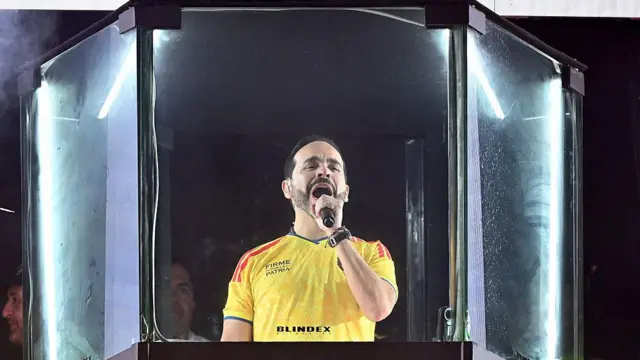
Abelardo de la Espriella, a right-wing lawyer and U.S. citizen, has won Colombia's presidential election on June 21, 2026, defeating leftist candidate Iván Cepeda by a margin of less than 1%. De la Espriella's victory marks a significant shift in the country's political landscape, ending four years of leftist governance under President Gustavo Petro and signaling closer alignment with the Trump administration's regional priorities.
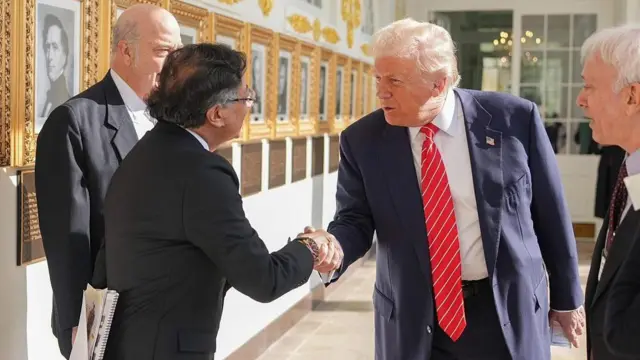
The U.S. government closely monitored and openly supported De la Espriella's candidacy throughout the campaign. Secretary of State Marco Rubio was among the first world leaders to congratulate him, stating that the Trump administration is committed to working closely with the new Colombian government to advance regional security cooperation, curtail illegal migration to the United States, and strengthen economic ties. De la Espriella has expressed admiration for Trump and his desire to establish a close working relationship with the U.S. leadership.
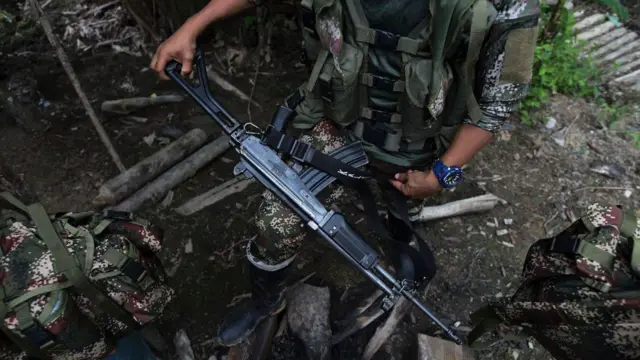
De la Espriella has pledged an aggressive law-and-order approach, including plans to conduct airstrikes against narco-terrorist camps and drug shipments—aligning with Trump's military strategy against organized crime in the hemisphere. Since September 2025, U.S. military operations have targeted dozens of suspected drug vessels off South America's coasts, resulting in over 200 deaths. The Trump administration has also captured Venezuelan President Nicolás Maduro and conducted joint operations against criminal organizations alongside Venezuela and Ecuador. De la Espriella's election is viewed as favorable to these American strategic objectives, as Colombia is the world's leading cocaine producer and exporter amid an armed conflict lasting over 60 years.
The political realignment extends beyond Colombia. With De la Espriella's victory and Keiko Fujimori's apparent success in Peru, Brazil and Uruguay now stand as South America's only countries with leftist presidents aligned away from the Trump administration. Analysts note that previous left-leaning governments in Colombia and Brazil had constrained American military initiatives against drug trafficking on the continent. Sergio Guzmán, director of Colombia Risk Analysis, called De la Espriella's win "a convenient victory for Trump," as Petro had represented an obstacle to the administration's regional ambitions.
Relations between the U.S. and Colombia had grown turbulent during Petro's presidency, marked by diplomatic crises over security, drug policy, and migration. However, cooperation between the two nations on intelligence and international matters has persisted for decades and is expected to strengthen under De la Espriella. Brazil's government, through presidential advisor Celso Amorim, indicated it will pursue pragmatic relations with Colombia regardless of ideological differences, emphasizing mutual interdependence. The leftist candidate Cepeda conceded defeat on June 24, acknowledging De la Espriella as president-elect and calling for dialogue and peace among Colombians.
Why This Matters
De la Espriella's razor-thin victory signals a major realignment in U.S.-Colombia relations and broader Western Hemisphere geopolitics. For businesses and security analysts, this shift enables closer intelligence cooperation, potentially accelerated military operations against drug trafficking, and stricter U.S.-aligned governance. For citizens in the region, it could reshape migration policy, security approaches, and diplomatic posture toward leftist neighbors. The outcome directly affects cocaine supply chains, humanitarian policy in Venezuela, and whether Washington can build a right-leaning coalition in South America—making it consequential for investors, policymakers, and anyone tracking drug-war strategy or hemispheric balance of power.
Timeline & Sources
Jan 20, 2025
WireDonald Trump returns to the White House
Feb 1, 2025
WireGustavo Petro visits Washington, easing diplomatic tensions
Sep 1, 2025
WireU.S. begins attacks on suspected drug vessels off South American coast
Jun 21, 2026
WireAbelardo de la Espriella wins Colombian presidential election
Jun 23, 2026
WireMarco Rubio congratulates de la Espriella; analysis of election impact published
Sources
- Presidente eleito da Colômbia e Trump: qual o impacto da aliança para o país e para a América do Sul?BBCMediaJun 23, 2026
- O que muda para a Colômbia — e a América do Sul — com aliança entre Trump e Abelardo de la EspriellaG1MediaJun 25, 2026
- É falso que Lula tenha declarado não reconhecer vitória da direita na ColômbiaEstadãoMediaJun 25, 2026