
Sep 14·Emerging
Follow-up Sep 15 Major6
96%
Pocognoli names first Scotland squad with six new call-ups, McBurnie recall
Scotland's new head coach Sebastien Pocognoli has named his first squad of 28 players for the Nations League, featuring six new senior call-ups including Luke Graham and Robbie Ure, plus a return for striker Oli McBurnie after five years away from international football.
Quick Facts
- Pocognoli named first Scotland squad as head coach
- Six new players received first senior call-ups
- Oli McBurnie recalled after five-year absence
- Squad of 28 players selected for Nations League
- Warm-weather training camp scheduled in La Manga, Spain


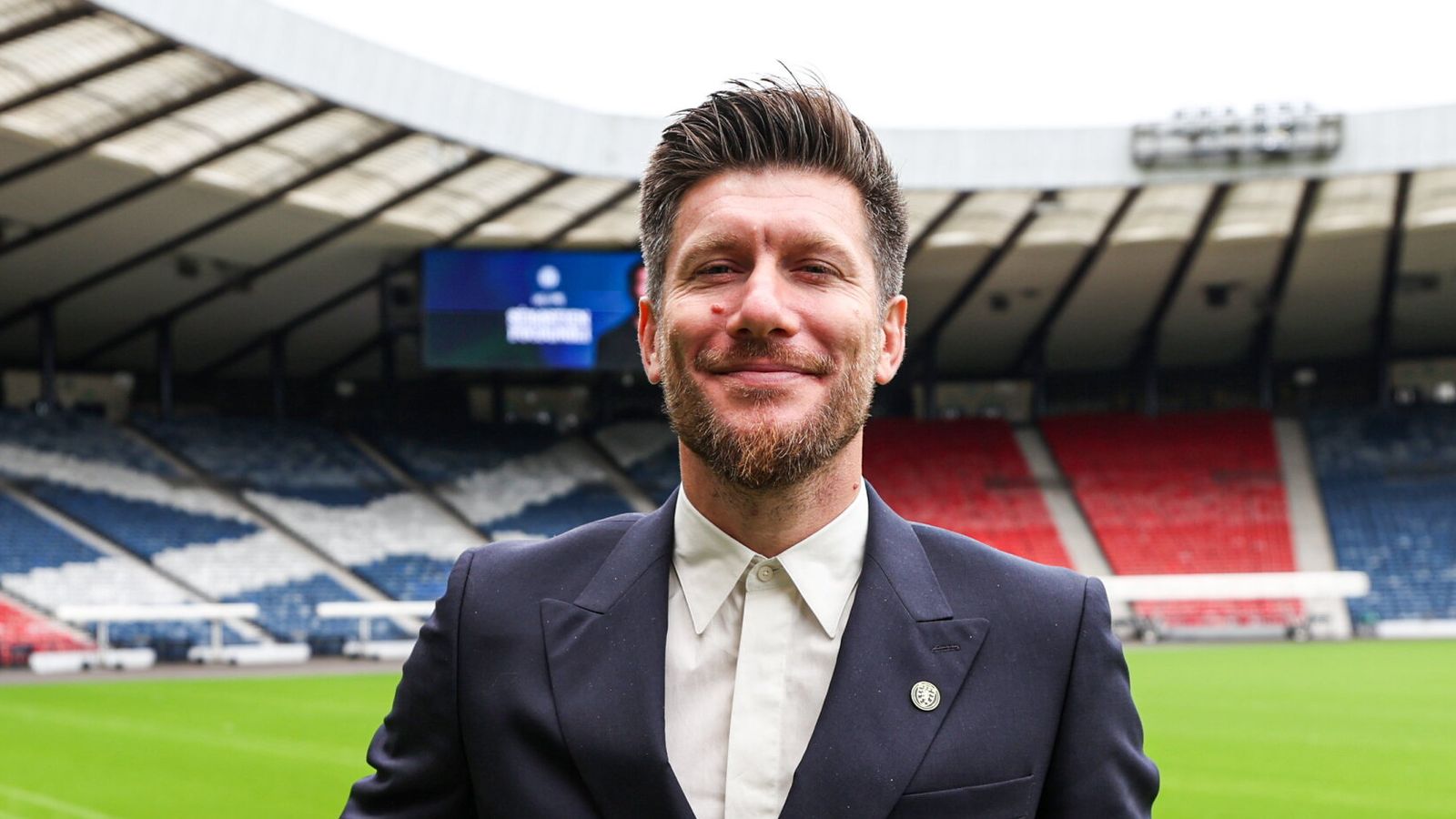
Sebastien Pocognoli has announced his first Scotland squad as head coach, selecting 28 players for the Nations League campaign with significant changes to the squad that competed at the World Cup. The new Belgium-born manager has handed first senior call-ups to six players: Stoke City defender Luke Graham, Sevilla striker Robbie Ure, Brondby defender Luis Binks, Celtic right-back Colby Donovan, Hearts winger Josh McPake, and Swansea City defender Stephen Welsh. Additionally, Bradford City goalkeeper Jon McCracken has been included for his first full senior call-up.
The squad features a notable recall for Hull City striker Oli McBurnie, 30, who has not played for Scotland since March 2021. McBurnie earned 16 caps in his previous international career and was part of the Euro 2020 squad. Pocognoli has also recalled several players who missed the World Cup, including Scott Bain and Jon McCracken (goalkeepers), Kieron Bowie (Sassuolo forward), Josh Doig (left-back), Lennon Miller (Udinese midfielder), and James Wilson (Hearts attacker). Of the 28-player squad, 14 or 15 were part of Scotland's World Cup contingent, with experienced players such as Andy Robertson, Kieran Tierney, John McGinn, Ryan Christie, Billy Gilmour, and Lewis Ferguson retained.
Key absences include Scott McTominay, who is recovering from minor heart surgery, and Che Adams, who is sidelined with injury. Lawrence Shankland remains out with a hamstring injury expected to sideline him for up to four months. Pocognoli described the squad selection as balancing experienced players with new faces and young prospects suited to his tactical approach. "The most important is regarding the style of play that I want to produce on the pitch," said Pocognoli. "We have a good mix between experienced players, new faces, first cap players, young lads, players who are back."
Scotland will compete in Nations League B with fixtures against Slovenia (away on September 26 and home on October 6), Switzerland (home on September 29 and away on November 16), and North Macedonia (away on October 3 and home on November 13). Pocognoli will make his debut as head coach on September 26 against Slovenia in Ljubljana, with his first match at Hampden Park coming three days later against Switzerland. The squad will attend a warm-weather training camp in La Manga, southern Spain, before the opening match.
Topics
Why This Matters
Scotland's Nations League campaign begins on 26 September against Slovenia, with squad composition affecting competitive performance in B-tier UEFA competition. Squad turnover—14–15 World Cup participants retained, 6 new senior caps introduced, and 5-year absence by McBurnie reversed—signals tactical shift under new manager Pocognoli. Availability of key players (McTominay recovering from heart surgery, Shankland sidelined 4 months) and 28-player selection shapes competitive depth for matches through November.
Related Signals
- SportsRelated Topic
Nairobi selected as first African host of World Athletics Championships in 2029
Follow-up Sep 16
- SportsRelated Topic
Arsenal's O'Neill retained by Northern Ireland despite Republic interest
Follow-up Sep 15
- MarketRelated Topic
Manchester United's 15-year-old prodigy JJ Gabriel requests registration cancellation
Follow-up Sep 19
- SportsRelated Topic
Alaves hosts struggling Valencia in La Liga Round 6
Follow-up Sep 15
- SportsRelated Topic
Real Madrid visits Elche seeking third straight win in La Liga
Follow-up Sep 15
Sources
- Scotland: Luke Graham & Robbie Ure in Pocognoli's first squadBBCMediaSep 14, 2026
- Scotland: Luke Graham & Robbie Ure in Pocognoli's first squadBBCMediaSep 15, 2026
- Scotland: Luke Graham & Robbie Ure in Pocognoli's first squadBBCMediaSep 15, 2026
- Scotland: Robbie Ure, Luis Binks and Colby Donovan among five newcomers included in Sebastien Pocognoli's first squadSky SportsMediaSep 15, 2026
- Luke Graham gets Scotland call-up as Sebastien Pocognoli set to name enlarged squadThe ScotsmanMediaSep 14, 2026
- Sebastien Pocognoli announces first Scotland squad, Oli McBurnie return amongst changesESPNMediaSep 15, 2026