
Geo
Published Jun 23, 2026Updated Jun 26 Major3
96%
Russia's Fuel Crisis Expands to 83 Regions as Ukrainian Drone Attacks Cripple Oil Infrastructure
Russia's fuel crisis has expanded to 83 regions and occupied Ukrainian territories as of late June 2026, driven by sustained Ukrainian drone strikes on Russian oil refineries and fuel depots. Official regional restrictions have been implemented in 32 regions with additional localized measures in 11 more, while the most severe shortages afflict occupied Ukrainian areas where fuel sales to civilians are heavily restricted or banned. Russian officials have largely avoided acknowledging the military cause, instead attributing shortages to logistics, seasonal demand, or consumer panic.
Quick Facts
- Fuel crisis expansion across Russian regions and occupied territories
- Ukrainian drone strikes on Russian oil refineries and fuel depots
- Implementation of fuel purchase restrictions and sales limits
- Bans on container fuel sales
- Manual operation mode activation at fuel stations
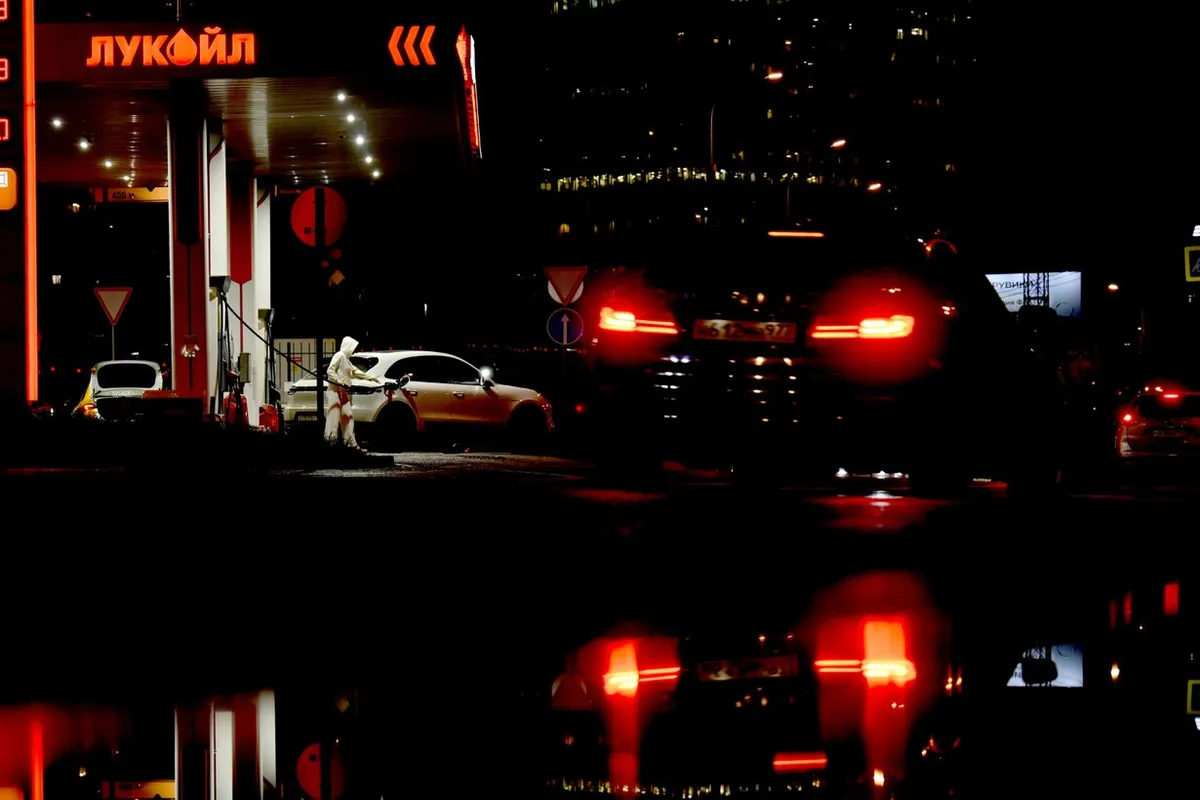
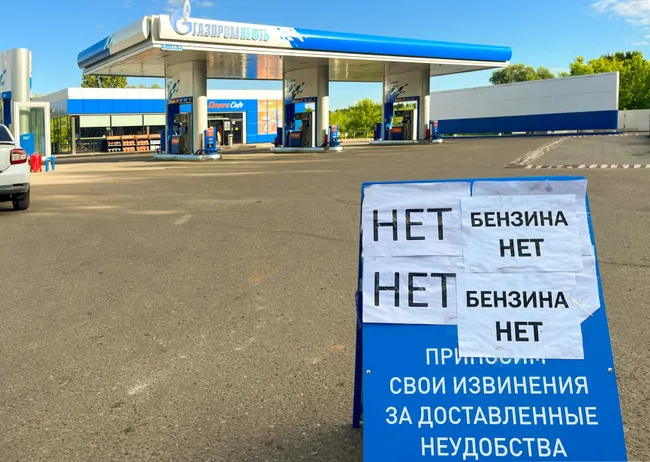
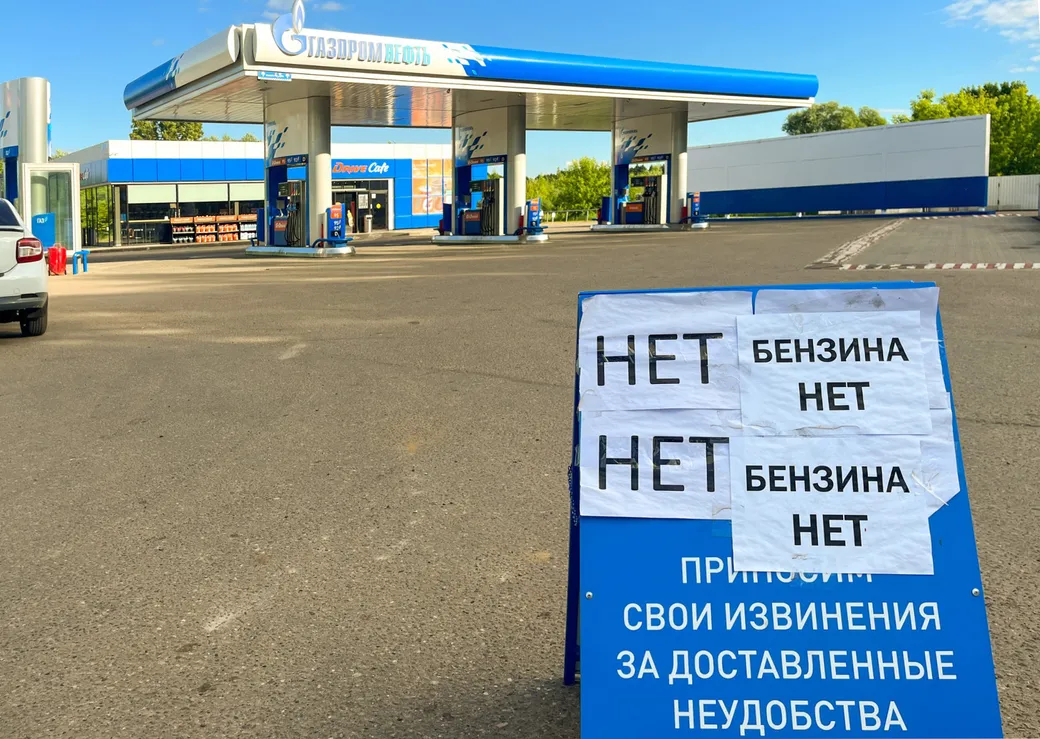
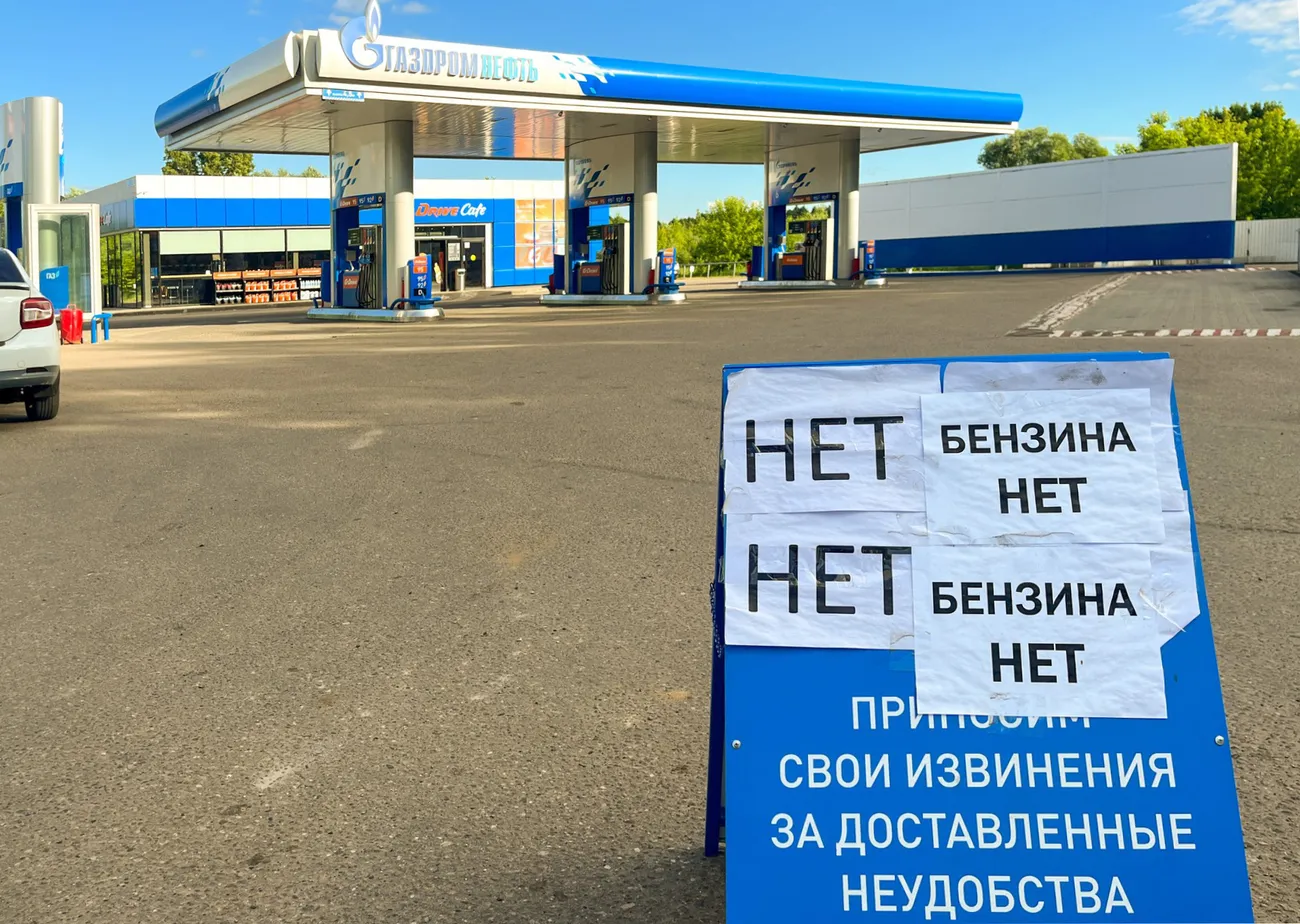
Russia's fuel crisis has dramatically expanded to encompass 83 regions and occupied Ukrainian territories as of late June 2026, with Ukrainian drone strikes continuing to disrupt refinery operations and fuel supplies. The crisis has forced widespread restrictions on retail fuel sales, including limits on purchase quantities and bans on container sales. According to reports, official regional-level restrictions have been implemented in 32 Russian regions and occupied territories, with an additional 11 regions implementing localized restrictions in specific cities and districts. When including unofficial shortages and informal limits, the total reaches 83 regions and occupied areas.
The most severe shortages are concentrated in occupied Ukrainian territories. In Crimea and Sevastopol, authorities have implemented a complete ban on civilian fuel sales. In occupied Donbas and parts of Zaporizhia, fuel is available only in severely restricted quantities—typically limited to 20 liters per person or distributed through special permits. In occupied Luhansk, similar 20-liter limits apply, while occupied Zaporizhia enforces 50-liter restrictions per refill. In occupied Kherson, fuel is rationed via voucher systems and chronic shortages have halted public transportation services.
Within Russia proper, fuel stations have introduced varying restrictions depending on location and fuel type. Common limitations include 30-40 liters of petrol and 80 liters of diesel per vehicle, with higher limits of up to 200 liters of diesel for freight transport on highways. Sales of fuel in containers have been broadly prohibited. Specific regions implementing these measures include Voronezh, Omsk, Irkutsk, Saratov, and numerous others spanning from European Russia to Siberia. Several regions have shifted to manual operation modes for fuel station management due to supply pressures.
Regional officials have largely avoided attributing the crisis to Ukrainian military action, instead citing logistical reorganization, seasonal demand, or consumer panic buying. Vice-Premier Alexander Novak claimed the fuel market situation remained under control while acknowledging "periodic objective logistics problems" in certain regions. However, Rosneft CEO Igor Sechin privately reported to President Putin about "unprecedented damage" to Russian refineries from drone strikes. In May, Russian oil production fell to its lowest level of the year following intensified Ukrainian attacks on refineries and fuel depots across central Russia.
The crisis reflects the cumulative impact of sustained Ukrainian drone operations targeting Russian energy infrastructure. Multiple major oil processing facilities were forced to reduce or suspend operations in late May. While authorities in Moscow and Saint Petersburg have claimed restrictions were imposed by fuel station networks rather than by government mandate, the simultaneous implementation of identical limits across multiple major chains within single regions suggests coordinated central direction.
Why This Matters
Russia's expanding fuel crisis directly impacts military logistics, civilian mobility, and economic stability across one-third of Russian territory. For readers, this signals accelerating erosion of Russian energy infrastructure resilience, with cascading effects on transportation, manufacturing, and heating—especially critical as winter approaches. The crisis demonstrates how sustained precision strikes on civilian-dual-use infrastructure can create systemic disruptions without conventional warfare, reshaping the conflict's strategic dimension.
Timeline & Sources
Jun 8, 2026
WireKremlin Spokesman Dmitry Peskov attributes fuel shortages to consumer panic buying, comparing situation to past buckwheat hoarding incidents
Jun 22, 2026
WireOmsk Governor Vitaly Hotsenko announces fuel purchase limits (40 liters petrol, 80 liters diesel)
Jun 25, 2026
WireThe Insider reports crisis has expanded to 83 regions and occupied territories; 32 regions have official regional-level restrictions, 43 have localized restrictions
Jun 25, 2026
WireVice-Premier Alexander Novak reports fuel market under control to President Putin but acknowledges periodic logistics problems in certain regions
Sources
- В России продолжают ограничивать розничную продажу топливаDW.comMediaJun 23, 2026
- Топливный кризис в России продолжает расширяться. Ограничения на продажу бензина ввели как минимум в 20 регионах. Вот их списокMeduzaMediaJun 25, 2026
- Топливный кризис охватил уже 83 российских региона и оккупированные территории. Сводка на 25 июняThe InsiderMediaJun 25, 2026