
Science
Published Jul 31, 2026Updated Aug 26
93%
Scientists identify unique metal formed by Hiroshima atomic bomb blast
International researchers have identified a previously unknown metallic alloy formed by the 1945 Hiroshima atomic bombing. The material, dubbed 'Hiroshimaite,' contains iron, chromium, nickel, and other metals arranged in a unique crystalline structure that cannot be created under normal conditions.
Quick Facts
- Identification of previously unknown metallic alloy
- Analysis of microscopic metal particles in glass spherules
- X-ray crystallography and electron microscopy examination
- Comparison with Trinity nuclear test materials
- Study of 34 Hiroshimaite samples
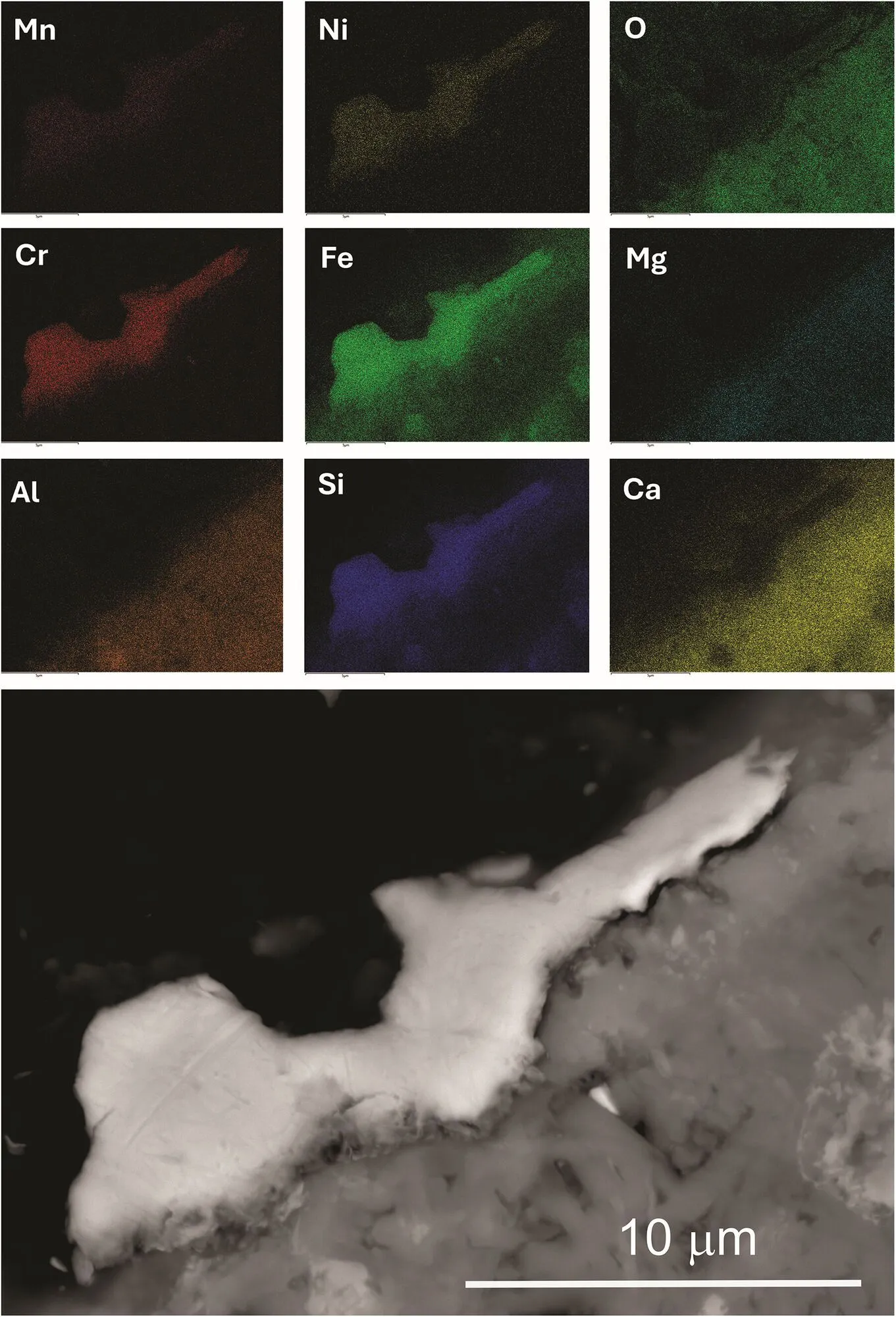


Researchers from the University of Florence and UC Berkeley have identified a previously unknown metallic alloy that formed during the atomic bombing of Hiroshima on August 6, 1945. The material, named 'Hiroshimaite,' was discovered within microscopic glass spherules preserved in sand samples from Hiroshima Bay more than 80 years after the explosion.
The alloy consists of a tiny metallic particle approximately 10 micrometers in size, composed primarily of iron with additional elements including chromium, nickel, silicon, molybdenum, manganese, and aluminum. Analysis revealed the material possesses a unique ordered crystalline structure of the AlAu₄ type—a β-Mn variant—that had not previously been documented for materials with this chemical composition. Four independent measurements confirmed the chemical composition remained consistent throughout the particle, indicating it crystallized from a single droplet of molten metal.
The formation mechanism occurred during the extreme conditions of the nuclear blast, when temperatures in the fireball exceeded 7,000°C. This intense heat vaporized buildings, soil, metal structures, glass, concrete, and other materials in the impact zone. The resulting metal vapor mixed rapidly and then cooled so quickly that atoms solidified in an unusual arrangement, creating the metastable crystalline structure. Researchers examined 34 Hiroshimaite samples using optical and electron microscopy, electron microprobe analysis, and X-ray crystallography, identifying one particle with the novel composition and structure among predominantly known iron-chromium alloys.
The discovery demonstrates that nuclear explosions can create material phases unattainable through conventional metallurgical processes. Researchers note this parallels an earlier discovery of quasicrystals formed during the Trinity nuclear test in New Mexico in 1945, suggesting nuclear detonations constitute natural laboratories for forming non-equilibrium alloys. Scientists indicate the material cannot be classified as a high-entropy alloy in the strict sense, as its composition is heavily skewed toward iron and possesses ordered structure, unlike typical high-entropy alloys with balanced component concentrations and disordered arrangements. However, the alloy represents an intermediate class combining features of both categories.
While practical applications remain unclear, researchers suggest understanding such material-formation processes could inform development of new high-strength, lightweight, heat-resistant alloys for industrial and technological applications. The findings also indicate potential applications in nuclear forensics, enabling reconstruction of details about nuclear detonations through debris composition analysis.
Topics
Why This Matters
The discovery of Hiroshimaite demonstrates that extreme nuclear detonation conditions can create metallic phases impossible to produce through conventional metallurgical processes. This finding has measurable implications for materials science and nuclear forensics: it provides new reference data for understanding phase formation under extreme temperatures and cooling rates, and establishes a documented method for reconstructing details of nuclear detonations through debris composition analysis. Researchers indicate potential applications in developing high-strength, heat-resistant alloys for industrial use, though practical applications remain under investigation.
Timeline & Sources
Jan 1, 1945
WireTrinity nuclear test occurs in New Mexico; quasicrystals form
Aug 6, 1945
WireUnited States drops atomic bomb on Hiroshima; material forms in extreme blast conditions
Jul 31, 2026
WireResearch findings published; discovery of Hiroshimaite announced
Sources
- На месте ядерного взрыва в Хиросиме нашли неизвестное науке веществоСнобMediaJul 31, 2026
- Атомная бомбардировка Хиросимы создала неизвестный науке металлический сплавNaked ScienceMediaAug 1, 2026
- На месте ядерного взрыва в Хиросиме ученые нашли металл, который не может существоватьУНИАНMediaAug 2, 2026
- У Хіросімі на місці ядерного вибуху знайшли метал, що змінює історію: вчені спантеличеніObozrevatelMediaAug 2, 2026
- На місці ядерного вибуху в Хіросімі вчені знайшли метал, якого не може існуватиУНІАНMediaAug 2, 2026
- Вибух у Хіросімі створив матеріал, невідомий науці: його знайшли у скляних кульках через 80 роківUKR.NETMediaAug 2, 2026