
Science
Published Jul 29, 2026Updated Aug 16
94%
Half of England in official drought as July becomes driest on record
The Environment Agency declared drought across seven English regions on 29 July 2026, affecting more than half the country's population. July is tracking as the driest month on record with only 1% of expected rainfall in southern England, combining with record heat to create a "flash drought." More than 20 million people face hosepipe bans, rivers are running dangerously low, and impacts range from agricultural strain to wildfire risk and public health alerts.
Quick Facts
- Drought declared across more than half of England
- Seven regions officially entered drought conditions
- July became the driest month on record
- Hosepipe bans imposed by seven water companies
- Rivers receded significantly, with 78% below normal or lower

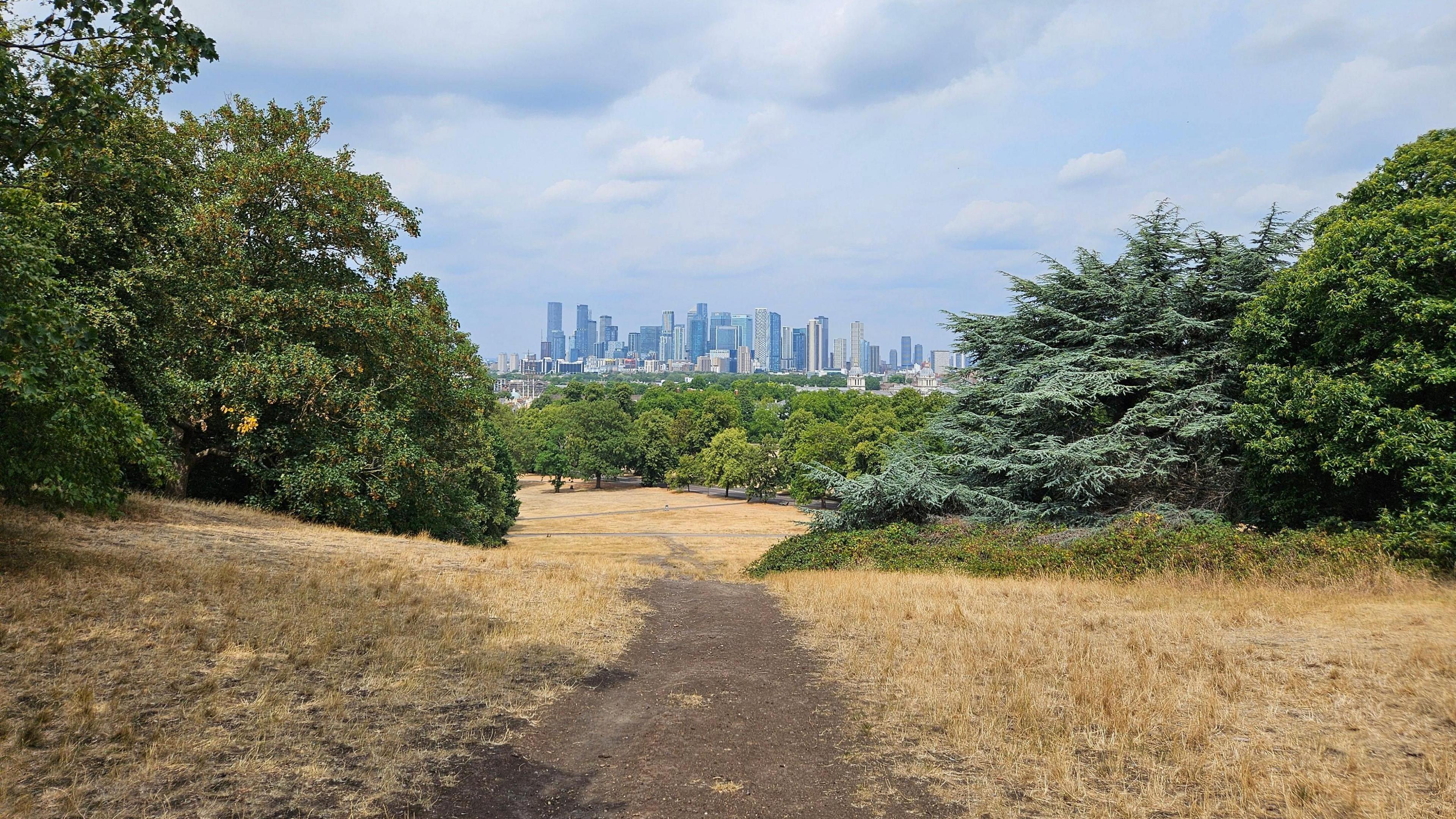
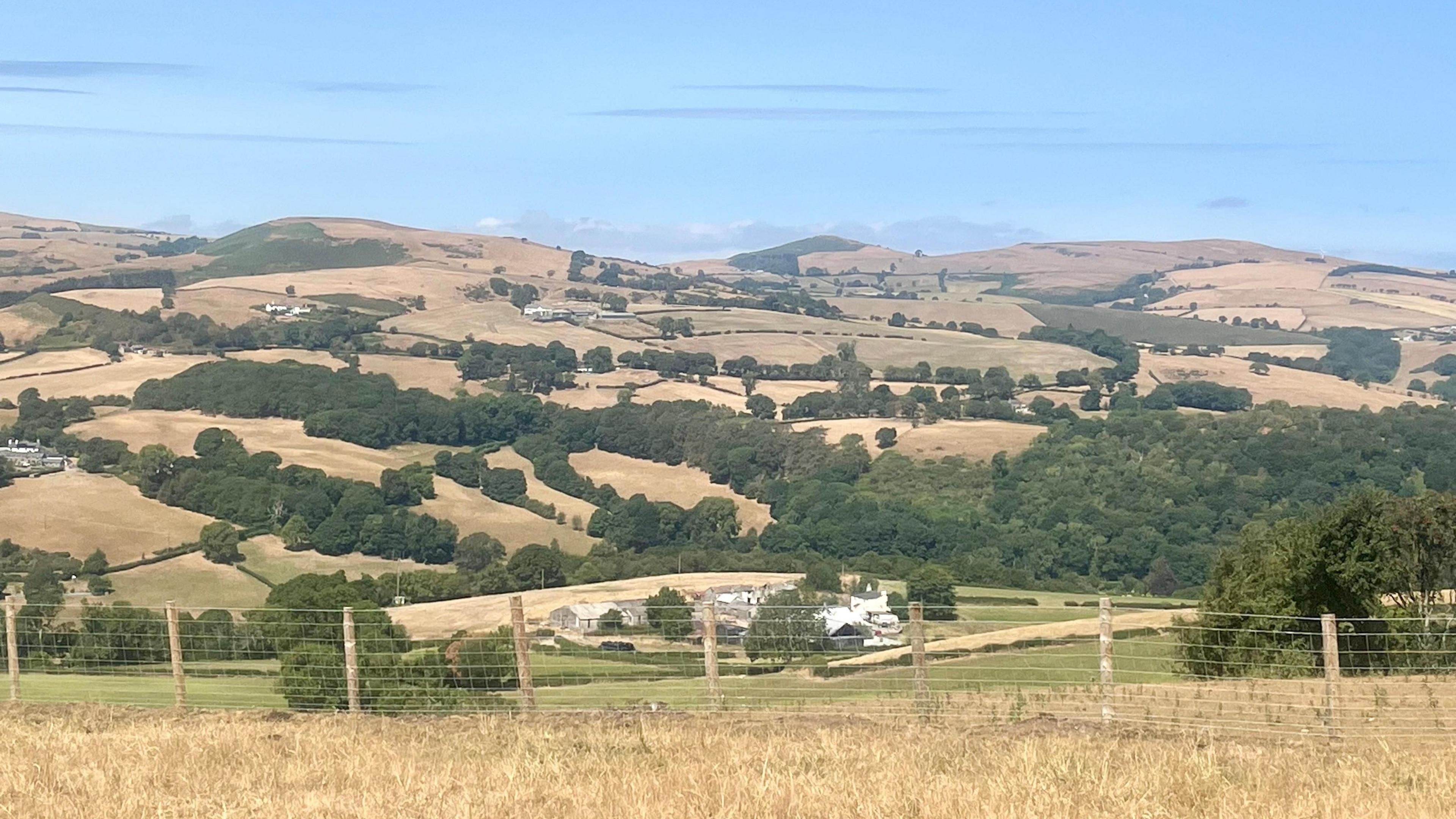
The Environment Agency declared on 29 July 2026 that more than half of England is now officially in drought conditions, marking the third drought to strike the country in five years. Seven regions—East Anglia, Hertfordshire and London, Thames Valley, Hampshire and the Isle of Wight, Devon and Cornwall, the West Midlands, and Wessex (covering Dorset, Somerset, Wiltshire, and South Gloucestershire)—are experiencing official drought status. The rapid onset has been termed a "flash drought," driven by exceptionally low rainfall combined with record-breaking temperatures. July is on track to become the driest month on record, with England receiving only 7% of expected rainfall and southern England just 1%. Some areas, including parts of Devon, have experienced 50 consecutive dry days without rain.
The drought's severity has been exacerbated by a paradoxical weather pattern: heavy winter rainfall in January and February initially replenished reservoirs and groundwater, but subsequent exceptionally hot conditions have rapidly depleted these reserves. Reservoir storage has now fallen 7.4% below the average for this time of year, with nearly half of all reservoirs classified as below normal levels. The Environment Agency confirmed that current water supplies "should be enough for the coming months until the next period of sustained rainfall," but warned of no substantial rainfall in the immediate forecast. Meanwhile, the Met Office's chief meteorologist stated there is "little sign of the widespread, sustained rainfall that would be needed to make a significant difference to the areas most affected by the dry weather."
Impacts are already visible across the country. Rivers including the Thames, Wye, and Redlake have receded significantly, with 78% of English rivers now classified as below normal or lower levels and 17% classed as "exceptionally low." Migratory fish such as Atlantic salmon are unable to move upstream; the Environment Agency used chemical aeration at Tuckers Pond in Oxfordshire to prevent fish deaths caused by oxygen depletion from algae blooms. Parks and green spaces across London—including Greenwich Park, Blackheath, and Primrose Hill—have turned brown and parched. Reservoirs such as Walthamstow Wetlands and Howden Reservoir in the Peak District show visibly receding shorelines.
The drought coincides with the UK's fourth heatwave of the summer, which peaked on 30 July with temperatures reaching 35.2°C at Writtle in Essex. A "North-South split" in weather patterns means southern England continues to experience extreme heat with no rain, while northern regions receive cooler conditions and precipitation. A new UK June temperature record of 38.0°C, verified by the Met Office, was set at Lingwood in Norfolk on 26 June—higher than the provisionally reported 37.7°C.
Water restrictions have been implemented across multiple companies. Seven water companies—Affinity Water, Anglian Water, Cambridge Water, Southern Water, South East Water, Thames Water, and South West Water—have imposed hosepipe bans affecting approximately 40% of England's population, or over 20 million customers. Water companies without bans, including Bristol Water, Wessex Water, and Severn Trent Water, are urging customers to conserve water voluntarily. The National Drought Group's chair, Helen Wakeham, stated: "The hot and dry weather means we are currently using water faster than nature can replenish it. A second consecutive summer drought is an exceptionally serious situation and one that will have long-lasting impacts on our environment, wildlife and the economy."
Additional impacts extend to agriculture, wildfire risk, and public health. The National Farmers' Union warned that water security is critical for food production and farm resilience. Fire services reported 19 significant simultaneous wildfires in England and Wales during mid-July's heatwave peak. The UK Health Security Agency issued amber and yellow heat health alerts warning of possible "significant impacts" on health and social care services, including increased deaths among elderly and vulnerable populations, and a rise in drownings. North Wales and the Upper Severn river basin also entered drought conditions, while parts of eastern Scotland are classified in the most extreme water scarcity category by the Scottish Environment Protection Agency.
Why This Matters
The drought affects water supply and usage patterns for over 20 million people across seven English regions through hosepipe bans imposed by seven water companies. Reservoir levels are 7.4% below average for the season, with sustained rainfall forecast absent in the near term; water companies have stated current supplies should sustain demand until the next major rainfall. Measurable impacts include 78% of English rivers operating below normal to exceptionally low levels, disruption to fish migration (Atlantic salmon unable to move upstream), agricultural strain on food production, elevated wildfire frequency (19 simultaneous fires recorded mid-July), and public health alerts for heat-related mortality and drowning risk. The drought marks the third occurrence in five years and follows the previous summer's drought, signalling a multi-year pattern affecting infrastructure resilience, food security, and emergency response capacity.
Timeline & Sources
Jun 26, 2026
WireUK June temperature record of 38.0°C verified at Lingwood, Norfolk
Jul 15, 2026
WireThird heatwave peaks with 19 significant simultaneous wildfires in England and Wales
Jul 29, 2026
WireEnvironment Agency declares drought across seven English regions; more than half of England officially in drought
Jul 30, 2026
WireFourth heatwave peaks at 35.2°C at Writtle, Essex; cold front approaches but brings no rain to drought-hit areas
Sources
- Seven areas of England officially in drought, Environment Agency saysBBCMediaJul 29, 2026
- Pictures show scale of drought across England as rivers dry upBBCMediaJul 29, 2026
- The West is in drought - what does that really mean?BBCMediaJul 29, 2026
- Cooler conditions on way for parts of UK - but still no rain for drought-hit areasBBCMediaJul 30, 2026
- Half of England officially in ‘exceptionally serious’ droughtThe GuardianMediaJul 29, 2026
- UK heatwave map: Where temperatures will be highest today in ‘North-South split’The IndependentMediaJul 30, 2026