
Science
Published Jul 28, 2026Updated Jul 315
93%
7.1 magnitude earthquake kills 13 in southern Japan, displaces 9,000+
A 7.1-magnitude earthquake struck Kumamoto Prefecture in southern Japan on July 28, killing at least 13 people and displacing over 9,000 in evacuation centers. A subsequent explosion at an Aeon shopping mall caused partial collapse; rescue operations by 3,600 Self-Defense Forces personnel continue amid ongoing aftershocks and extensive infrastructure damage.
Quick Facts
- 7.1-magnitude earthquake struck Kumamoto Prefecture
- Aeon shopping mall partially collapsed after explosion
- Power outages affected 40,000–48,000 households
- Freight train derailed
- High-speed rail suspended

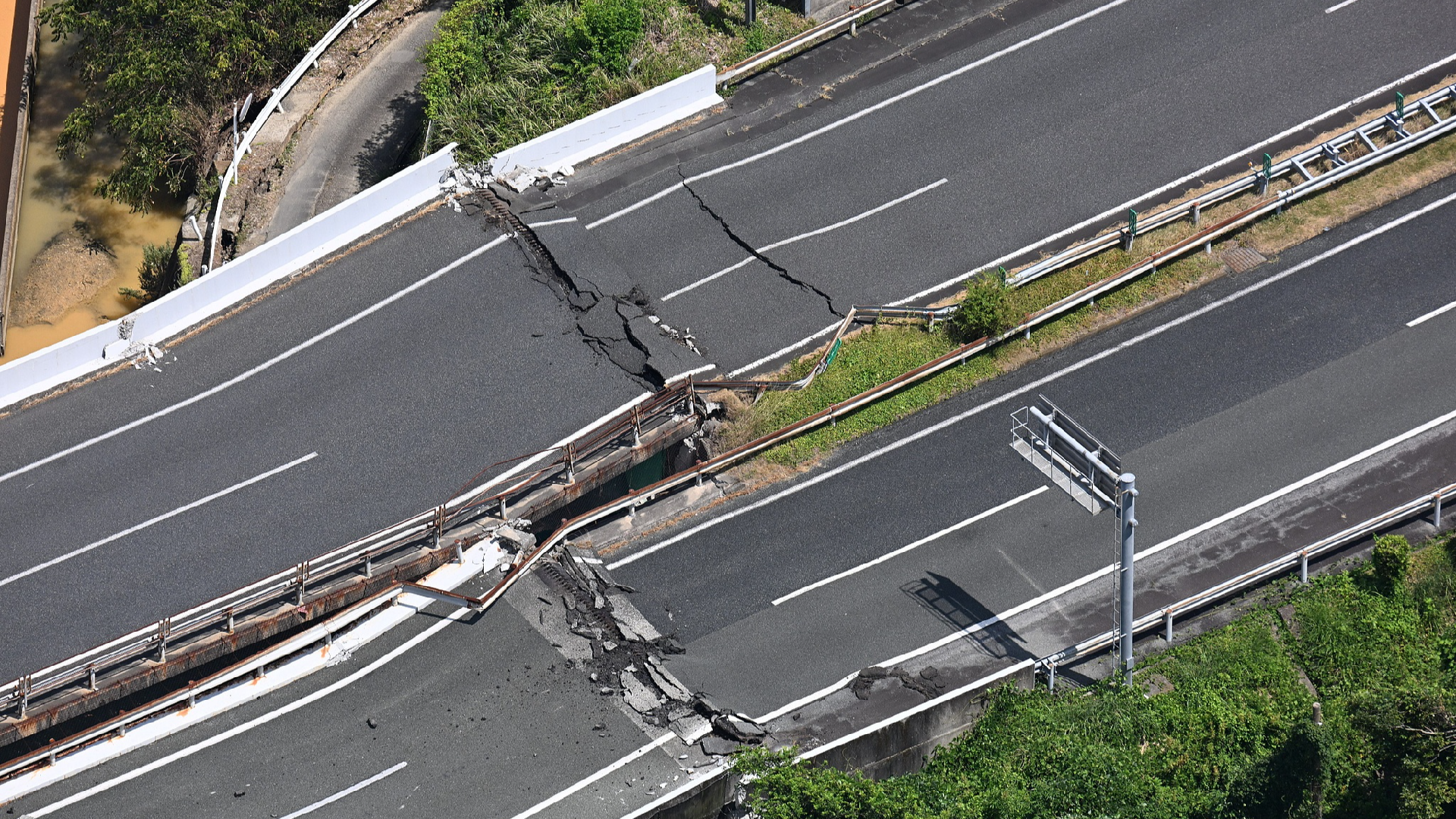
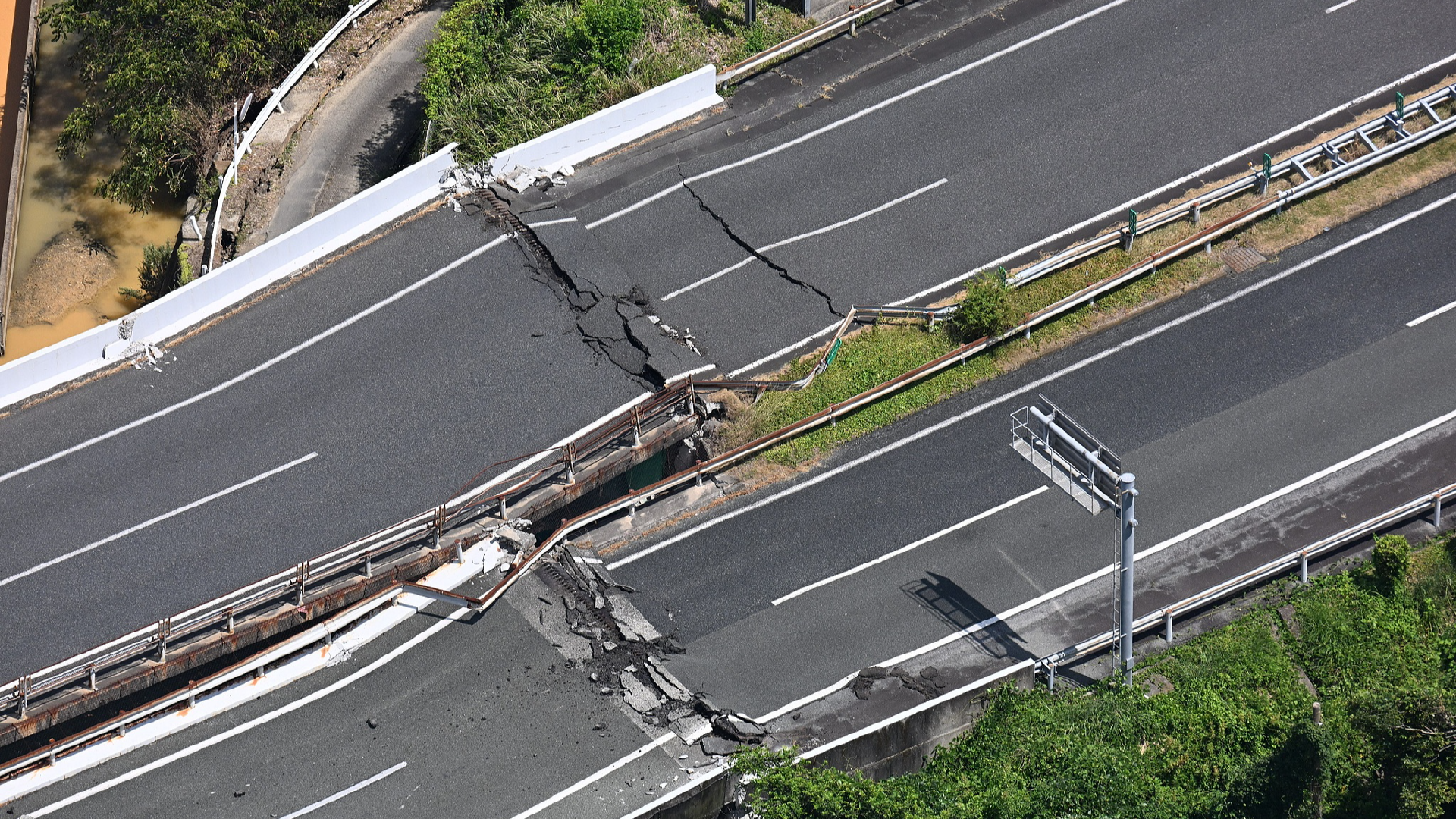
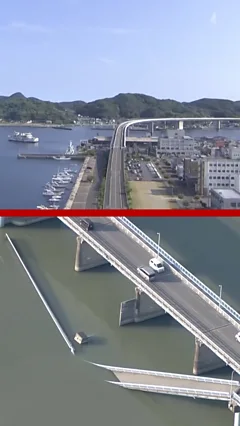
A 7.1-magnitude earthquake struck Japan's Kumamoto Prefecture on Kyushu island on July 28, 2026, at 16:27 local time, killing at least 13 people and triggering widespread damage across the southern region. Prime Minister Sanae Takaichi confirmed the death toll and reported that power outages, fires, and structural damage to roads, bridges, and buildings occurred across multiple prefectures. The epicentre was approximately 20 kilometres south of Kumamoto city, a population centre of around 700,000.
A major explosion at the Aeon shopping mall in Kashima, Kumamoto Prefecture, in the immediate aftermath of the earthquake caused partial building collapse, with one side of the structure torn away and debris scattered across the car park. Two women were among those killed in the shopping centre incident; rescue teams recovered eight survivors from the building. Authorities reported 20 to 30 workers were initially unaccounted for, though exact figures remain unclear. Fire services and local media indicated multiple deaths at the site, though authorities continued clarifying casualty numbers. The blast's exact cause is under investigation, with gas explosion being a primary theory.
Displacement and infrastructure damage were extensive. Over 9,000 people sought refuge in 506 evacuation centers across five prefectures, including Kumamoto and Fukuoka, by early Wednesday. More than 40,000 households lost electricity, and approximately 48,000 households experienced power outages according to Kyushu Electric Power. Major transportation infrastructure sustained severe damage: large cracks appeared on expressways, a freight train derailed, and high-speed Shinkansen and local rail services were suspended for safety inspections. Aso-Kumamoto airport's runway was closed, and multiple flights were cancelled.
Rescue and response operations mobilized quickly. Japan's Self-Defense Forces deployed 3,600 personnel to affected areas. Hospitals treated more than 50 injured patients, with seven serious injuries and 29 minor injuries reported. Multiple aftershocks—over 100 small tremors and 61 recorded aftershocks by one account—continued to shake the region, prompting authorities to warn residents to remain alert for additional strong quakes over the following week. The shallow earthquake depth of 10 kilometres increased the risk of severe aftershocks and landslides.
Several major industrial facilities evacuated workers as a precaution: TSMC, the world's largest contract chipmaker, evacuated staff from its Kumamoto plant (operations later resumed); Sony and Fujifilm evacuated personnel; Honda temporarily closed its motorcycle factory; and Tokyo Electron suspended operations at two factories through the following day. The Kumamoto castle, a historic feudal landmark, sustained possible damage; authorities closed the surrounding park area pending assessment. Nuclear power plants in the region—the Sendai and Genkai plants operated by Kyushu Electric Power—continued normal operations after the earthquake.
Entities
- Kumamoto Earthquake July 28, 2026
- Kumamoto Prefecture
- Kyushu Island
- Kashima
- Aeon (shopping centre operator)
- Sanae Takaichi
- Japan Self-Defense Forces
- Kyushu Electric Power
- TSMC
- Japanese Meteorological Agency
Why This Matters
A 7.1-magnitude earthquake in Japan's Kumamoto Prefecture has killed at least 13 people and displaced over 9,000 in evacuation centers across five prefectures. Power outages affect 40,000–48,000 households; major infrastructure including highways, railways, and Aso-Kumamoto airport remain closed or suspended. Industrial facilities—including TSMC's semiconductor manufacturing plant, Sony, Honda, and Tokyo Electron—have suspended or evacuated operations. Over 100 aftershocks have been recorded, with authorities warning of continued seismic risk. Rescue operations involving 3,600 Self-Defense Forces personnel continue amid ongoing structural assessments of buildings and transportation networks.
Timeline & Sources
Jul 28, 2026
Wire3,600 Self-Defense Forces personnel deployed to affected areas
Jul 28, 2026
WireIndustrial facilities (TSMC, Sony, Fujifilm, Honda, Tokyo Electron) evacuate workers
Jul 28, 2026
WireHigh-speed Shinkansen and local rail services suspended; Aso-Kumamoto airport runway closed
Jul 28, 2026
Wire7.1-magnitude earthquake strikes Kumamoto Prefecture, Kyushu island
Jul 28, 2026
WireGovernment spokesperson reports 9,186 people in 506 evacuation centres across five prefectures