
Emerging
Published Jun 25, 2026Updated Jun 26 Major3
99%
FIFA Permits Rainbow Flags at Egypt-Iran World Cup Match as Seattle Proceeds with Pride Celebrations
FIFA has confirmed that rainbow flags will be permitted at the June 26 Egypt-Iran World Cup match in Seattle despite formal protests from both nations' football federations over cultural and religious concerns. Seattle's local World Cup committee is proceeding with Pride-themed celebrations around the match, independent of FIFA's authority, while the organization emphasizes the tournament's commitment to inclusivity.
Quick Facts
- FIFA reiterates that rainbow flags are permitted at World Cup matches
- Iran and Egypt lodge formal protests requesting cancellation of LGBT events
- Seattle proceeds with Pride Match celebrations and themed activities
- FIFA distinguishes between official match environment and external community events
- SeattleFWC26 plans Pride watch parties, merchandise, and social media campaigns
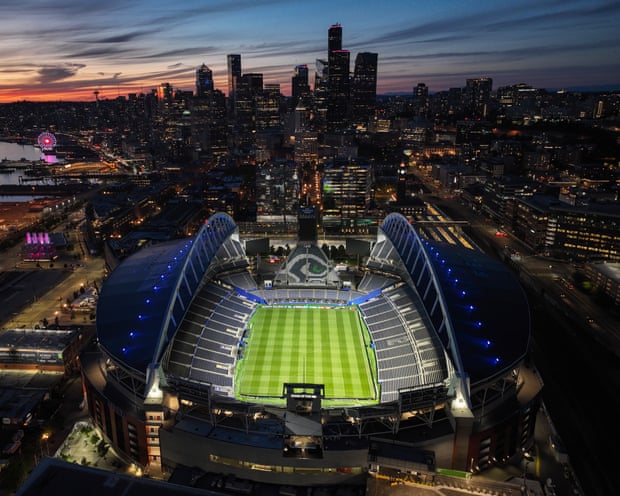
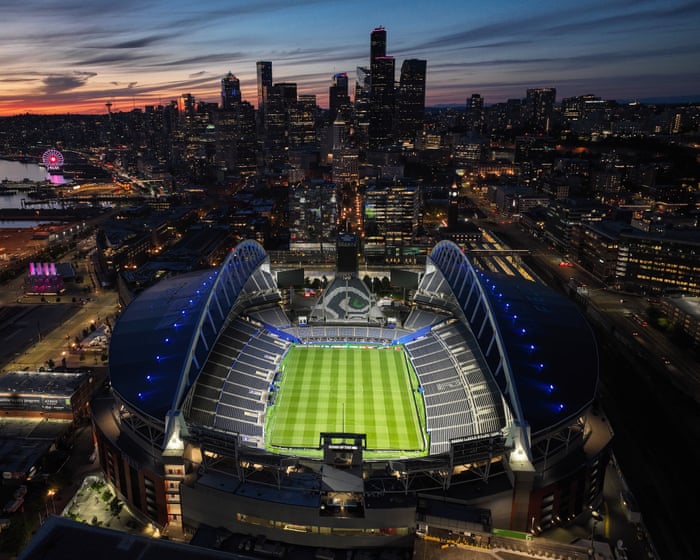
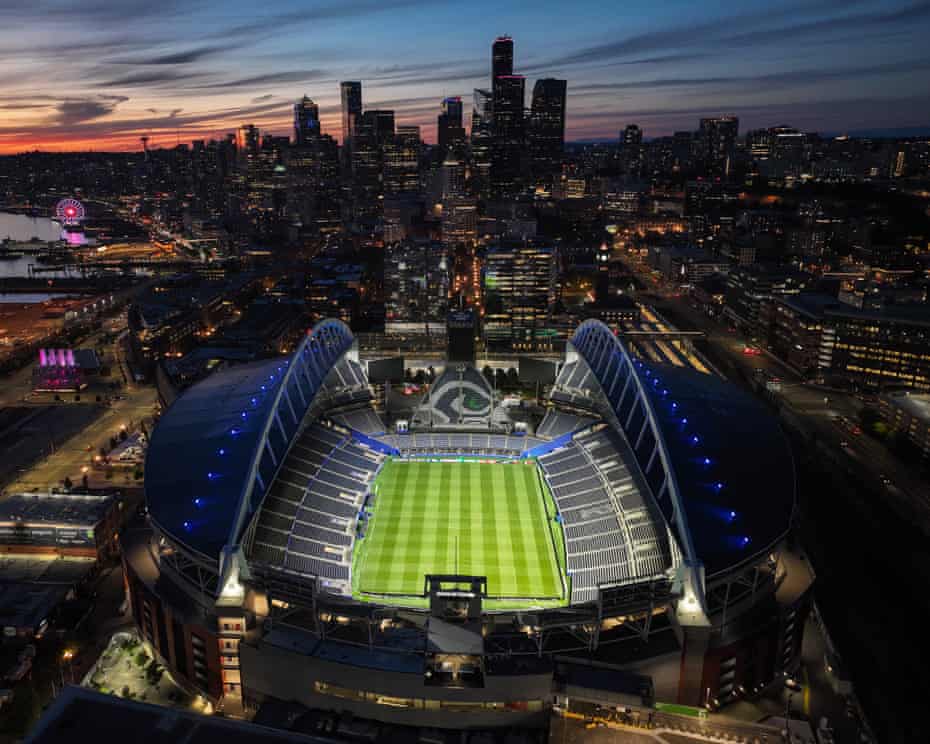
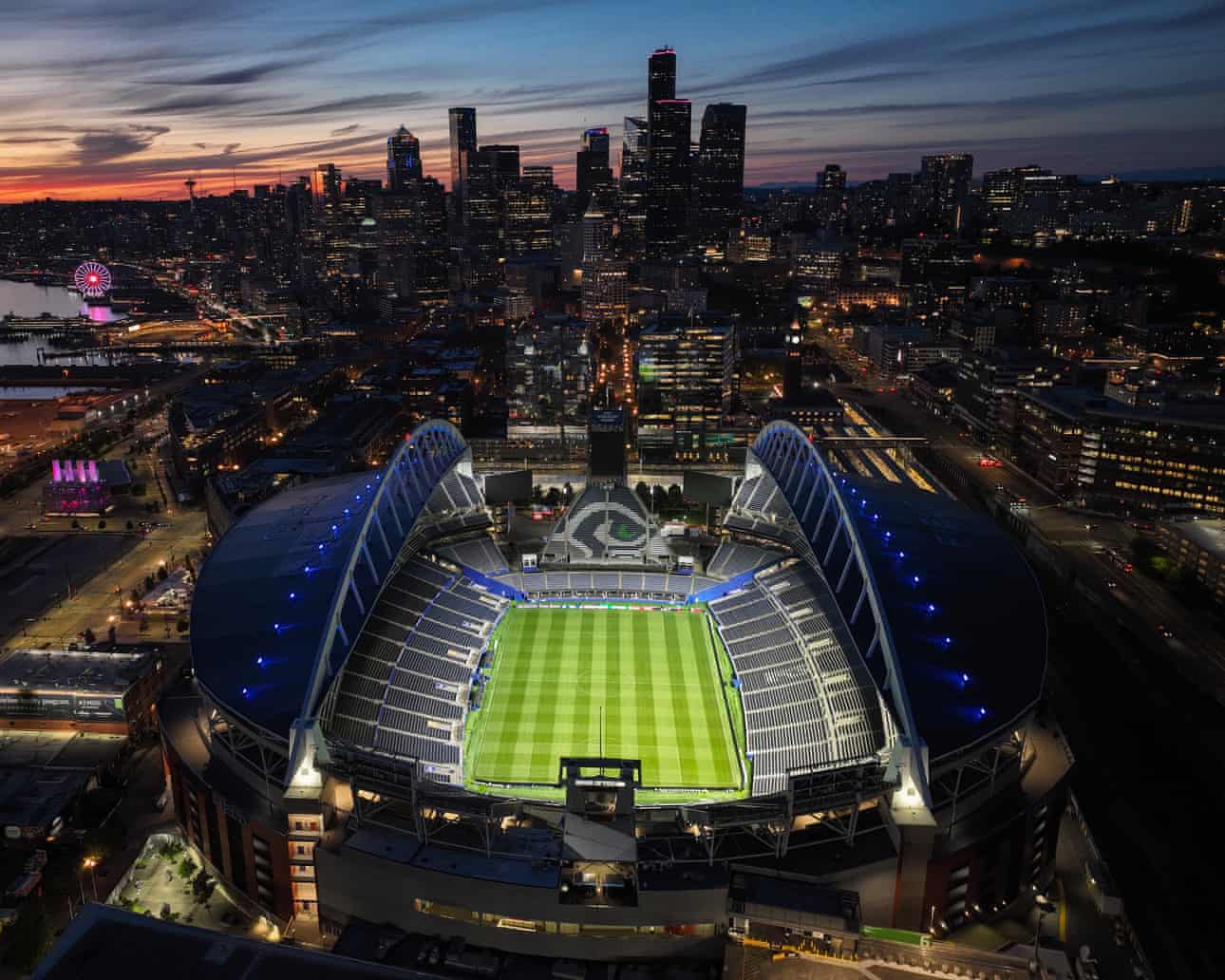

FIFA has firmly reiterated that rainbow flags will not be prohibited at the June 26 Group G match between Egypt and Iran at Seattle's Lumen Field, despite formal protests from both nations' football federations. In a statement on Thursday, FIFA emphasized that the 2026 World Cup is "an inclusive event that welcomes people from all backgrounds" and that "fans of all sexual orientations and gender identities are welcome at matches and events." Rainbow flags and other symbols representing sexual orientation and gender identity are permitted under the FIFA World Cup 2026 Stadium Code of Conduct, provided they are used consistently with the code.
Both the Egyptian and Iranian football federations lodged official objections with FIFA ahead of the match. The Football Federation Islamic Republic of Iran (FFIRI) requested that FIFA scrap the LGBT event, arguing that "no ceremonies, or promotional activities associated with this movement should be present inside the stadium or as part of the match environment." Egypt's football association similarly stated it "categorically rejects any activities promoting LGBTQ during the match," citing cultural and religious sensitivities. Both nations view the Pride designation as conflicting with their deep cultural and religious values.
Meanwhile, Seattle's local World Cup organizing committee, which operates independently of FIFA, is proceeding with "Pride Match" celebrations around the fixture. Seattle PrideFest, organized annually by the city since 2007, designated June 26 for celebration coinciding with the World Cup and the city's Pride weekend—a date determined before the tournament draw resulted in the Egypt-Iran matchup. SeattleFWC26 has planned Pride-themed watch parties across Washington state, merchandise, and social media campaigns celebrating LGBTQ+ locals. Hedda McLendon, the committee's senior vice president of legacy, stated that the Pride Match "was always going to be bigger than the actual soccer match" and represents "a citywide celebration of visibility, belonging and community."
FIFA clarified that it has no formal authority over community events organized by external organizations in Seattle, distinguishing between the official World Cup match environment and city-level Pride activities. FIFA president Gianni Infantino previously stated in January 2026 that "there will be no 'Pride Match' at the World Cup" but rather a FIFA World Cup match in Seattle with external community events occurring simultaneously. The situation echoes tensions from the 2022 World Cup in Qatar, when FIFA threatened sanctions against European federations planning to wear rainbow armbands, ultimately forcing them to abandon the initiative.
LGBTQ+ advocates in Seattle have embraced the timing as meaningful. Bookda Gheisar, an Iranian-American lesbian activist and Port of Seattle official, stated it was important for queer Iranians to celebrate their identity during the match and indicated she would wear Pride colors inside the stadium. Jaelynn Scott, executive director of the Lavender Rights Project, a Seattle Black trans rights group and volunteer on the World Cup committee, emphasized that Seattle's commitment to being a welcoming sanctuary city for LGBTQ+ individuals would remain unchanged.
Why This Matters
This match represents a critical intersection of international sports governance, cultural sovereignty, and LGBTQ+ rights. For readers, it illustrates how global sporting events navigate competing values: FIFA's stated commitment to inclusion versus host nations' religious and cultural objections. The outcome sets precedent for future tournaments and signals whether international bodies can enforce progressive values across diverse geopolitical contexts. For LGBTQ+ communities in conservative regions, it offers both symbolic visibility and tangible safety concerns during high-stakes international competition.
Timeline & Sources
Jan 1, 2007
WireSeattle PrideFest organized annually beginning
Jan 1, 2022
WireFIFA threatens sanctions against European federations over rainbow armbands at Qatar World Cup