
Emerging
Published Jun 27, 2026Updated Jun 28 Major2
89%
US-Iran Ceasefire Tested by Strait of Hormuz Strikes
The U.S. conducted military strikes in the Strait of Hormuz on June 27, 2026, testing the fragile ceasefire with Iran following a dispute over Iranian actions against a commercial vessel. Both nations claim adherence to their memorandum of understanding, but analysts warn the incident demonstrates the ceasefire's vulnerability and the critical need for active diplomatic engagement through established deconfliction mechanisms.
Quick Facts
- U.S. conducted military strikes
- Dispute over Iran's actions against a commercial vessel
- Both sides asserted adherence to ceasefire agreement
- U.S. described response as limited
- Iran maintained actions were compatible with MoU
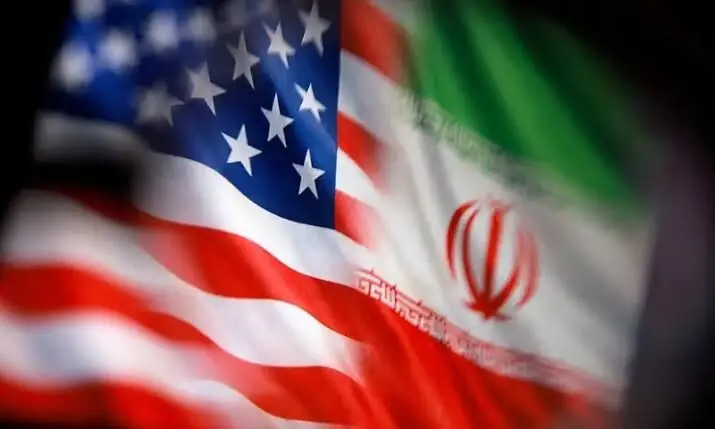
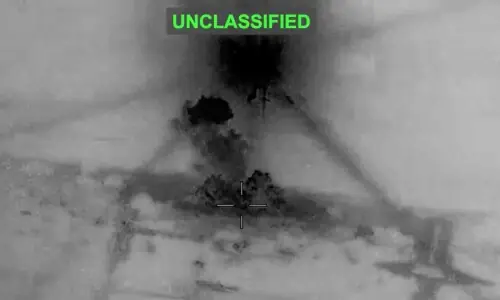
The United States conducted military strikes in the Strait of Hormuz on June 27, 2026, following a dispute involving Iranian actions against a commercial vessel, according to U.S. media reports. The incident marks a significant test of the recently established ceasefire agreement between Washington and Tehran, which both nations claim to be upholding.
The U.S. characterized its response as limited and consistent with preserving the ceasefire arrangement. Iran, for its part, maintained that its own actions in the strategic waterway were compatible with the memorandum of understanding (MoU) reached between the two sides. Despite these mutual assertions of compliance, the episode exposed the fragility of the agreement and the risks posed by military incidents in contested waters.
Experts and observers warn that the exchange highlights the vulnerability of ceasefires dependent solely on restraint rather than sustained communication mechanisms. Both nations have access to a deconfliction mechanism outlined in their MoU, designed to clarify incidents, reduce miscalculation risks, and prevent localized confrontations from escalating into wider conflict. Regional mediators, including Qatar and Pakistan, along with other stakeholders, are being urged to intensify diplomatic engagement.
Secretary of State Marco Rubio has provided reassurances to Gulf allies regarding U.S. intentions in its engagement with Iran, seeking to calm concerns that dialogue with Tehran might compromise their interests. Analysts emphasize that diplomatic breakthroughs require sustained political commitment and confidence-building measures to survive inevitable post-agreement shocks.
The incident serves as a cautionary reminder that the recent agreement between the United States and Iran remains vulnerable to military escalation. Success will depend on both nations demonstrating diplomatic discipline and utilizing established communication channels to prevent isolated incidents from derailing the broader peace process and returning the region to cycles of retaliation.
Why This Matters
This incident demonstrates that even recently negotiated ceasefires between major powers remain fragile and susceptible to military escalation triggered by localized disputes. For readers and policymakers, it underscores the critical importance of maintaining active diplomatic communication channels and confidence-building measures to prevent tactical incidents from unraveling broader peace agreements. The situation serves as a practical case study in conflict management, showing that restraint alone is insufficient without robust deconfliction mechanisms—lessons applicable to U.S.-Iran relations and other strategic rivalries.
Timeline & Sources
Jun 27, 2026
WireU.S. conducts military strikes in Strait of Hormuz following dispute over Iran's actions against commercial vessel
Jun 27, 2026
WireXinhua reports U.S. strikes in Strait of Hormuz based on Axios media reports
Jun 28, 2026
WireAnalysis published warning of ceasefire fragility and calling for diplomatic engagement and deconfliction mechanism activation