
Geo
Published Jul 14, 2026Updated Jul 16 Major5
100%
US-Iran escalation pushes oil to four-week high, disrupts Strait of Hormuz
Oil prices jumped to four-week highs as the US reimposed a blockade on Iran and military strikes resumed in the Strait of Hormuz, disrupting global shipping. Asian refiners responded by shifting back to US crude supplies, while liquefied natural gas prices hit six-month highs amid supply uncertainty.
Quick Facts
- US reimposed naval blockade of Iran
- US military strikes against Iran
- Iran fired cruise missiles at UAE tankers
- Brent crude rose to four-week high
- WTI crude rose to four-week high



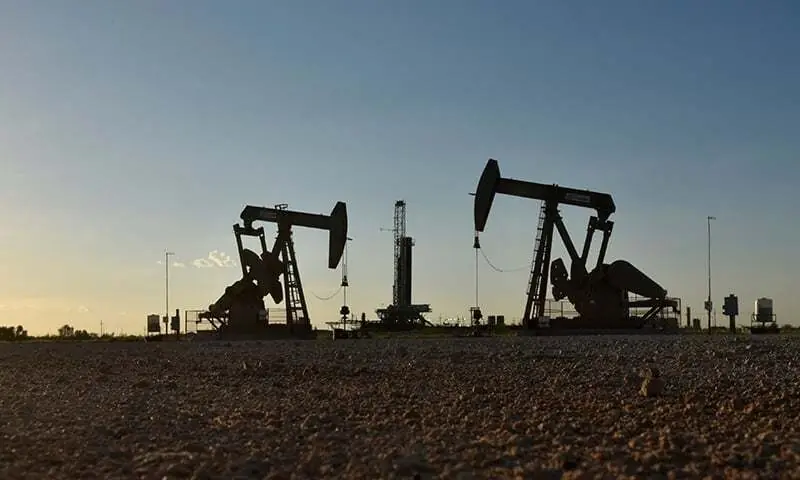
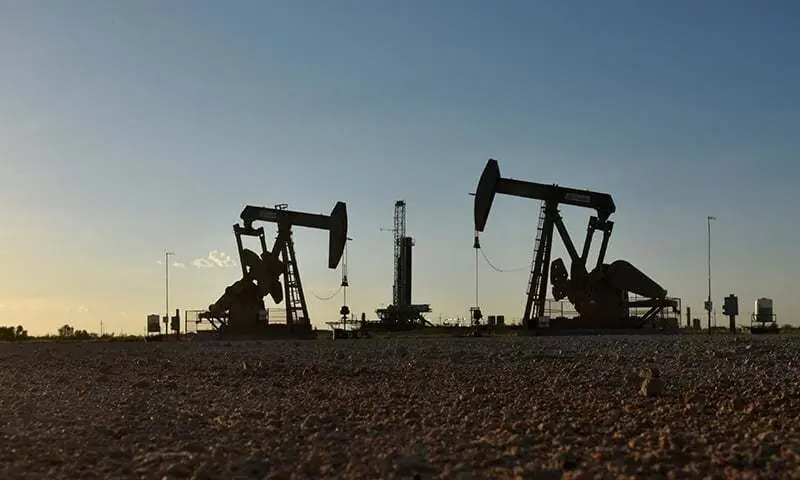
Global crude oil prices surged to their highest levels in four weeks as the United States and Iran intensified military operations following the collapse of a June ceasefire agreement. Brent crude rose 3.47–4.55% to $86–$87 per barrel, while US West Texas Intermediate climbed to $80–$81 per barrel, marking the largest price movement since before the June 17 memorandum of understanding between the two countries.
The escalation included US President Donald Trump reinstating a naval blockade of Iranian shipping and proposing a 20% fee for guarding the Strait of Hormuz, while Iran responded with cruise missile strikes on two UAE-flagged tankers in the critical waterway. Shipping traffic through the Strait declined to its lowest level in two months, with tanker transits falling sharply as concerns over supply disruption intensified. One Indian crew member was killed and eight wounded in the Iranian missile strikes on the UAE vessels.
Asian refiners and oil buyers responded by pivoting back to US crude supplies after weeks of attempting to rely on traditional Middle Eastern sources. Spot market negotiations for American cargoes resumed across Japan, the Philippines, Pakistan, and other nations heavily dependent on Hormuz-routed oil. US crude exports hit record levels, with April exports averaging 5.6 million barrels per day—21% above the previous record set in December 2023—as Asian importers sought to diversify away from Middle Eastern oil amid heightened geopolitical risk.
Liquefied natural gas prices in Asia also climbed to their highest levels since late March, reflecting investor anxiety over prolonged disruptions to shipping routes. Analysts warned that oil prices could remain volatile in the $85–$90 range if tensions persist. The ceasefire collapse occurred despite both sides initially signing the June agreement, with diplomatic efforts by Qatar, Pakistan, and Oman continuing to prevent further escalation.
Why This Matters
The US-Iran escalation directly threatens global energy security and shipping through the world's most critical oil chokepoint. With 21% of global petroleum transiting the Strait of Hormuz, supply disruptions immediately ripple through Asian markets and force price adjustments across refined products. For businesses and investors, sustained $85–$90 oil and elevated LNG costs increase operating costs; for policymakers, the shift of Asian buyers toward US suppliers reshapes energy geopolitics and sanctions effectiveness.
Timeline & Sources
Apr 30, 2026
WireUS crude exports averaged 5.6 million barrels per day (21% above previous record)
Jun 12, 2026
WireBrent crude previous high before ceasefire
Jul 15, 2026
WireAsian refiners re-launched spot cargo negotiations for US crude
Jul 15, 2026
WireAsian oil importers relaunch spot cargo negotiations for US crude
Sources
- Asian Gas Prices Rise to Highest Since March on Mideast TensionsbloombergWireJul 16, 2026
- Oil, gas and UK government borrowing costs prices jump as Middle East tensions ratchet higher – as it happenedThe GuardianMediaJul 14, 2026
- Oil prices hit four-week high as US, Iran step up attacks in Strait of HormuzDawnMediaJul 14, 2026
- Asian Oil Importers Pivot to U.S. Supplies as Hormuz Risks IntensifyCrude Oil Prices Today | OilPrice.comMediaJul 15, 2026
- Petroleum markets responded to disruptions in the Middle East in the second quartereiaMediaJul 15, 2026