
AI
Published Jun 16, 2026Updated Jun 231
50%
DOJ Career Lawyers Opposed Paramount-Warner Bros. Deal, Report Reveals
DOJ career antitrust lawyers were preparing to recommend blocking Paramount-Warner Bros. deal on anticompetitive grounds, but senior leadership closed the investigation and approved the $111 billion merger before staff could formally object. Senator Elizabeth Warren called the approval suspicious, alleging potential corruption.
Quick Facts
- DOJ approved Paramount Skydance acquisition of Warner Bros. Discovery
- Career antitrust lawyers were leaning toward recommending lawsuit to challenge deal
- DOJ senior leaders closed investigation before staff could formally object
- Staff questioned ability to meet 30 theatrical releases per year commitment
- Deal requires FCC waiver due to foreign sovereign wealth fund stakes
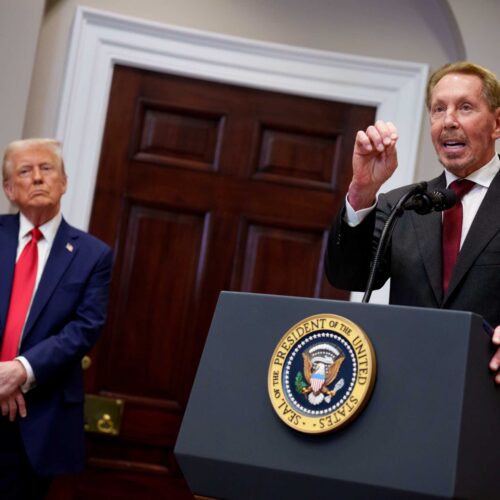
The US Department of Justice's approval of Paramount Skydance's $111 billion acquisition of Warner Bros. Discovery on Friday has drawn scrutiny after reports revealed that career antitrust lawyers leading the investigation were leaning toward recommending the deal be challenged in court. According to The Wall Street Journal, DOJ senior leaders closed the eight-month investigation before staff investigators had an opportunity to formally object, despite their concerns that combining the two major movie studios would be anticompetitive and violate antitrust law.
The career lawyers' concerns centered on practical implementation challenges for the merged company. Specifically, investigators questioned how the combined entity could meet its commitment to produce 30 theatrical releases annually given its increased debt burden following the acquisition. However, senior DOJ leadership determined that Paramount's debt levels did not constitute sufficient grounds to challenge the merger, and proceeded with approval.
The discrepancy between staff recommendations and leadership's decision has prompted political scrutiny. Senator Elizabeth Warren (D-Massachusetts) expressed alarm at the approval, stating that "the American people need to know if this merger was approved as a political favor. This reeks of corruption." The senator's comments underscore concerns about the decision-making process and the divergence between career staff assessments and final approval.
The deal also requires approval from the Federal Communications Commission, which must grant a waiver due to substantial equity stakes held by the sovereign wealth funds of Saudi Arabia, the United Arab Emirates, and Qatar. FCC Chairman Brendan Carr has previously expressed support for the transaction. Notably, while staff investigators had not yet submitted a formal recommendation to challenge the deal, DOJ leadership retained the authority to reject any such recommendation and approve the merger regardless.
Why This Matters
This case illustrates potential tensions between career staff expertise and political leadership in major antitrust decisions, raising questions about whether merger reviews reflect merit-based analysis or broader policy considerations. For readers, it underscores how corporate consolidation in entertainment—affecting content availability and competition—can move forward despite internal government concerns, with implications for consumer choice and industry structure. The political controversy also signals renewed scrutiny of merger approval processes and congressional interest in antitrust enforcement.
Timeline & Sources
Jun 16, 2026
WireWall Street Journal publishes report revealing career staff were leaning toward recommending lawsuit
Jun 16, 2026
WireSenator Elizabeth Warren responds with criticism of approval decision