
Market
Published Jun 18, 2026Updated Jun 231
69%
Russian consumers shift savings strategy: blocking SIM cards and swapping plastic for deposits
Russians are increasingly blocking SIM cards and abandoning plastic bank cards in favor of high-yield deposits that can generate over 100,000 rubles per month in passive income. The trend, reported by Banki.ru, reflects a strategic shift in personal finance amid easing inflation expectations and a search for more secure savings instruments.
Quick Facts
- Blocking SIM cards
- Abandoning plastic bank cards
- Shifting to high-interest deposits
- Earning over 100,000 rubles per month from deposits
- Inflation expectations reach two-year low



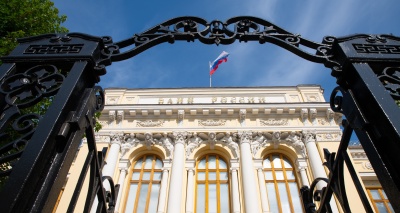
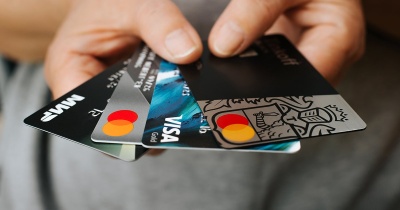
A growing number of Russians are taking steps to protect their savings by blocking SIM cards issued in their names and abandoning plastic bank cards, according to financial portal Banki.ru. The move signals a broader change in household financial behavior amid ongoing economic uncertainty and a search for safer or higher-yield alternatives.
Instead of keeping money in standard current accounts or on cards, many citizens are turning to deposit accounts that offer double-digit interest rates. Banki.ru reports that some deposit products now allow holders to earn over 100,000 rubles in passive income per month without the need to work, making them an attractive alternative to traditional banking products.
The trend comes as inflation expectations in Russia fall to their lowest level in two years, a development that analysts say could influence the central bank’s future policy decisions. The shift away from plastic cards and SIM-linked accounts reflects a broader move toward cash-like instruments and fixed-term savings.
Separately, Banki.ru noted a revival in Moscow’s secondary housing market, with prices stabilizing after a period of decline, and a surge in used Chinese cars entering the Russian automotive market. These developments underscore how Russian households are recalibrating their finances across multiple asset classes.
Why This Matters
Understanding this shift helps investors and analysts gauge Russian household behavior in response to easing inflation, which could influence central bank policy and asset allocation. For businesses operating in or trading with Russia, it signals a move away from conventional banking channels toward more secure or fixed-term savings, with potential implications for consumer spending and financial product demand.
Timeline & Sources
Jun 18, 2026
WireInflation expectations in Russia hit two-year low
Jun 18, 2026
WireBanki.ru publishes report on Russians blocking SIM cards and abandoning plastic cards in favor of deposits