
Geo
Published Aug 7, 2026Updated Aug 86
90%
China warns Japan's Tomahawk missiles and remilitarization threaten regional stability
China's defense ministry condemned Japan's test-firing of Tomahawk cruise missiles and accelerating military buildup on August 7, calling it a threat to regional stability and characterizing Japan's security concerns as a pretext for remilitarization. Japan released a Defense White Paper identifying China as its greatest strategic challenge and expressing concerns about Chinese military activities around Taiwan and near Japan.
Quick Facts
- Japan conducted first live-fire test of Tomahawk cruise missiles
- Japan Air Self-Defense Force conducted captive-carry test of new missile
- Japan released Defense White Paper identifying China as greatest strategic challenge
- China's defense ministry criticized Japan's military development
- China-Russia joint military activities near Japan
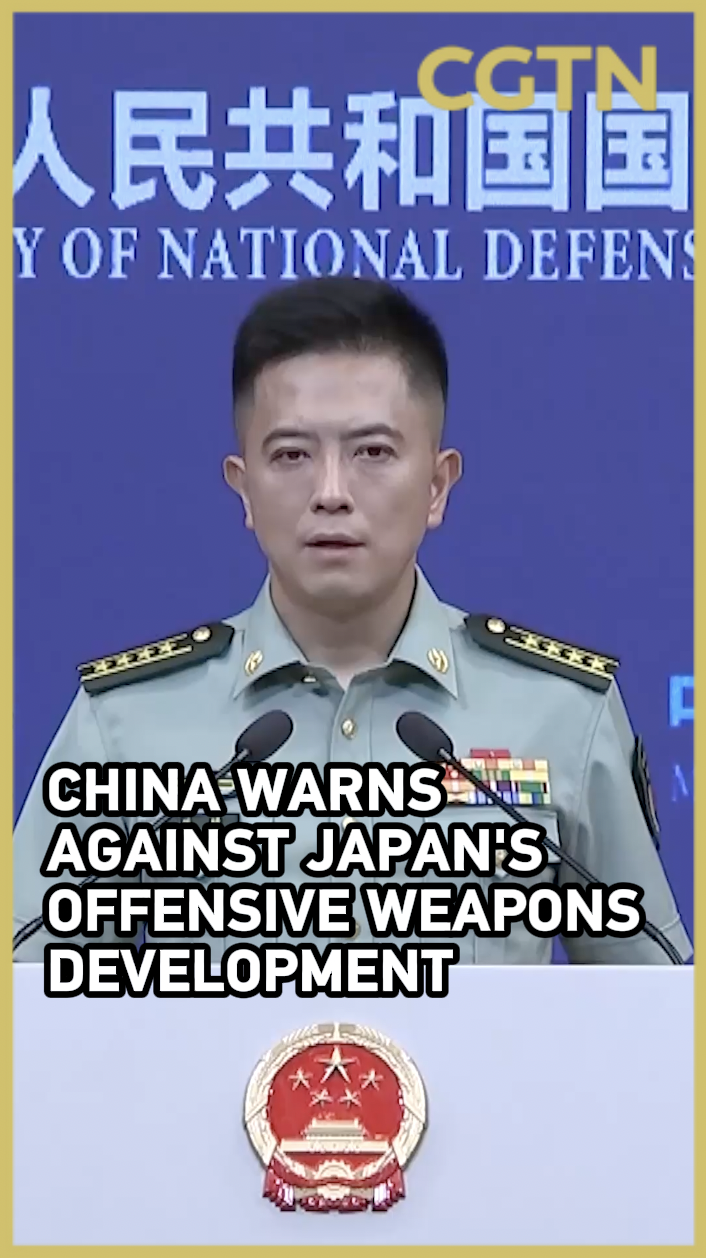


China's Ministry of National Defense has strongly criticized Japan's accelerating military development, particularly following Japan's first live-fire test of US-supplied Tomahawk cruise missiles on July 29, 2026. Chen Xi, a spokesperson for China's defense ministry, said on August 7 that Japan's moves to develop offensive weapons are "increasingly rampant and perilous" and pose a real threat to regional peace and stability. He characterized Japan's stated security concerns about neighboring countries as a pretext for breaking free from its pacifist constitution and pursuing rapid remilitarization.
Japan conducted the Tomahawk test from the destroyer Chokai in the Pacific Ocean, marking a milestone in its new military strategy to enhance long-range strike capabilities. The missiles have a range of approximately 1,600 kilometers, allowing strikes within Chinese territory if launched from Japanese vessels near Japan. Japan's Defense Ministry has ordered around 400 Tomahawk missiles from the United States, with deliveries expected by March 2028. Japan's Air Self-Defense Force also conducted captive-carry tests of new missiles. Defense Minister Koizumi Shinjiro stated that long-range missiles will become part of Japan's counterstrike capabilities as the country faces what he described as its most severe security environment since World War II.
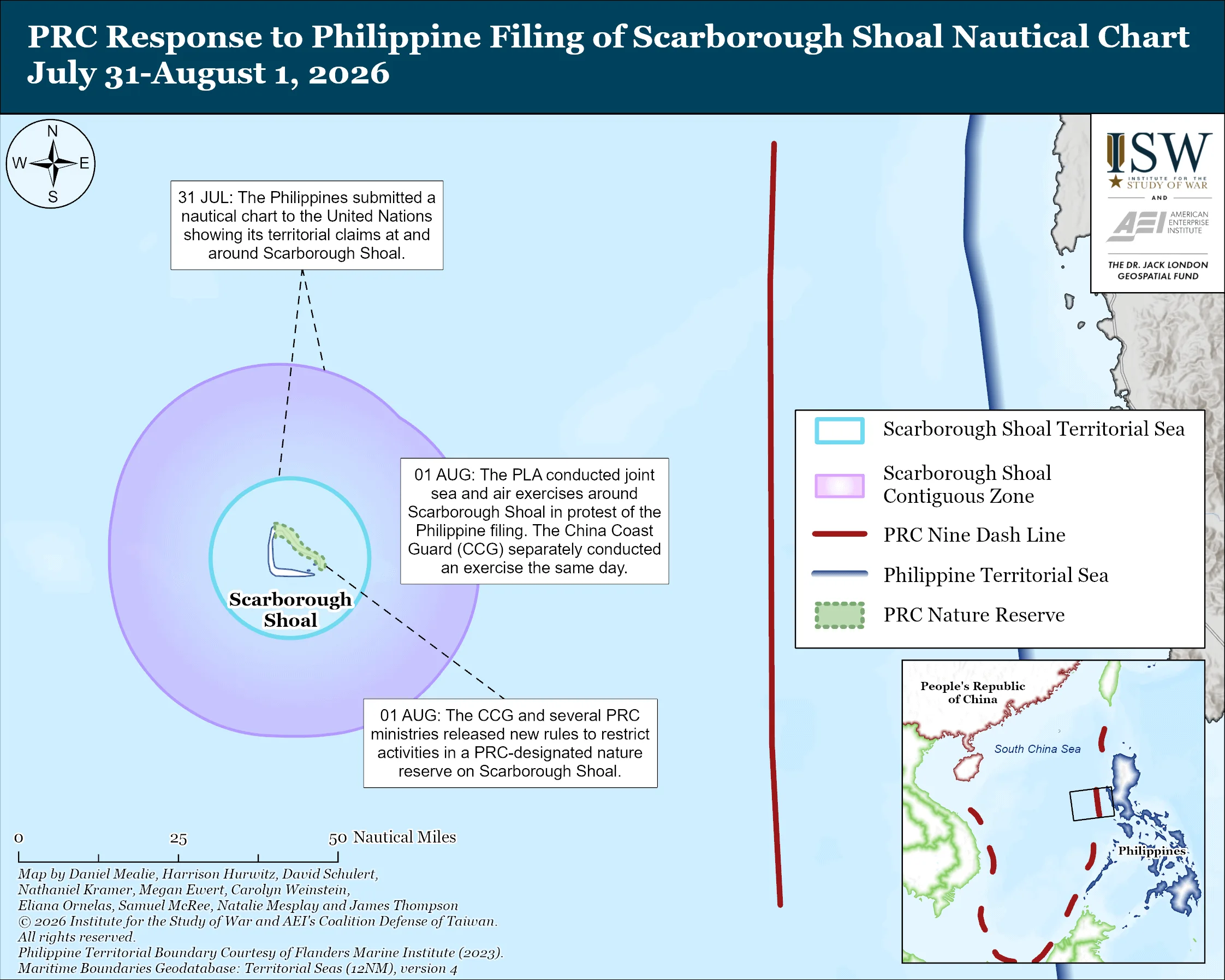
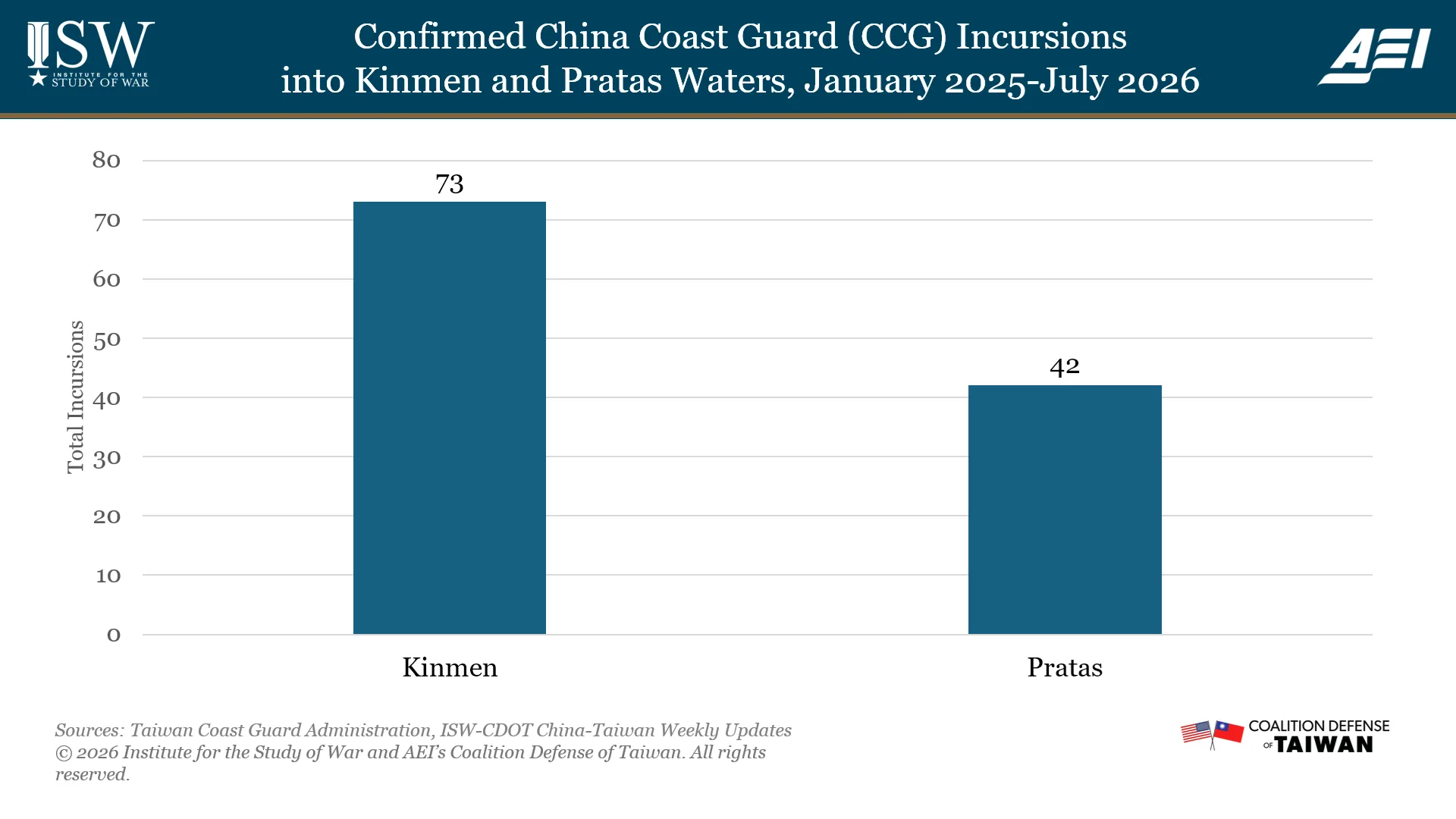
China's criticism coincided with Japan's release of its Defense White Paper on August 4, which identified China as Japan's "greatest strategic challenge." The white paper highlighted Chinese military coercion, joint China-Russia military activities near Japan described as "demonstrations of force," intensified Chinese military activities around Taiwan, and concerns that China could impose a blockade on Taiwan using its Coast Guard. The white paper also noted that "a serious situation similar to Russia's aggression against Ukraine may occur in the Indo-Pacific region."
Chen Xi rejected Japan's characterization of regional security threats as legitimate, stating: "The real threat to Japan's security and regional peace and stability is its reckless attempts in ramping up military buildup and accelerating remilitarization." He urged the international community to unite to contain what he called Japan's "new militarism" and prevent it from destabilizing the world. China's defense ministry also accused Japan of using China as an excuse to pursue remilitarization contrary to Japan's pacifist constitution and defense-only policy.
According to analysis from the Institute for the Study of War, Japan's defense reforms reflect the failure of China's long-term pressure campaign against Japan, which aims to deter Japanese involvement in a potential Taiwan contingency. China has waged an economic and diplomatic pressure campaign against Japan since November 2025, when Japanese Prime Minister Takaichi Sanae suggested that a Taiwan contingency could implicate Japan. Despite China's escalating sanctions and rhetoric, Japan has continued advancing its defense capabilities, indicating the pressure campaign has not achieved its objectives.
Why This Matters
Japan's procurement of 400 Tomahawk missiles (deliveries by March 2028) and live-fire testing extends its military strike range to 1,600 km—covering mainland Chinese territory from Japanese waters. China's defense ministry has escalated rhetoric characterizing this as remilitarization contrary to Japan's post-WWII pacifist framework. The exchange reflects diverging security assessments: Japan cites intensified Chinese military activities near Taiwan and joint China-Russia exercises; China disputes this framing and calls Japan's weapons buildup the primary destabilizing factor. Immediate measurable effects include Japan's accelerated defense spending, U.S. weapons deliveries on fixed timelines, and formal complaints by China's foreign ministry. Longer-term stakes include Taiwan contingency deterrence, regional military balance, and the credibility of Japan's security partnerships.
Timeline & Sources
Jul 29, 2026
WireJapan Maritime Self-Defense Force conducts first live-fire test of Tomahawk cruise missile from destroyer Chokai in Pacific Ocean
Aug 4, 2026
WireJapan releases Defense White Paper identifying China as greatest strategic challenge; Japanese Defense Minister Koizumi holds press conference
Aug 5, 2026
WireChina's Ministry of Foreign Affairs formally complains to Japan regarding Defense White Paper
Aug 7, 2026
WireChen Xi, China's Ministry of National Defense spokesperson, criticizes Japan's military development at press briefing
Sources
- Japan's remilitarization efforts real threat to regional peace, stability: spokespersonxinhuaMediaAug 7, 2026
- 中国国防部:日本加速再军事化威胁地区和平稳定zaobaoMediaAug 7, 2026
- Japan’s Tomahawk missile tests require joint countermeasures — Chinese Defense MinistrytassMediaAug 7, 2026
- China warns against Japan's offensive weapons developmentcgtnMediaAug 7, 2026
- Japan's 'remilitarization' is a real threat to peace: spokespersoncgtnMediaAug 7, 2026
- China & Taiwan Update, August 7, 2026Institute for the Study of WarMediaAug 7, 2026