
Emerging
Published Jul 13, 2026Updated Jul 13 Major2
100%
Federal Judge Voids Trump's $1.8bn IRS Settlement, Blocks Tax Audit Immunity
A federal judge voided a $1.8bn settlement between President Trump and the IRS, ruling it was filed in bad faith to grant tax audit immunity. The decision blocks Trump and his family from citing the agreement in future proceedings and opens the door to renewed IRS audits of Trump's tax claims.
Quick Facts
- Federal judge voided $1.8bn IRS settlement
- Settlement granted tax audit immunity to Trump and entities affiliated with him
- $1.8bn anti-weaponisation fund created to compensate government targets
- Trump withdrew $10bn lawsuit against IRS
- Judge ruled lawsuit was filed for improper purpose
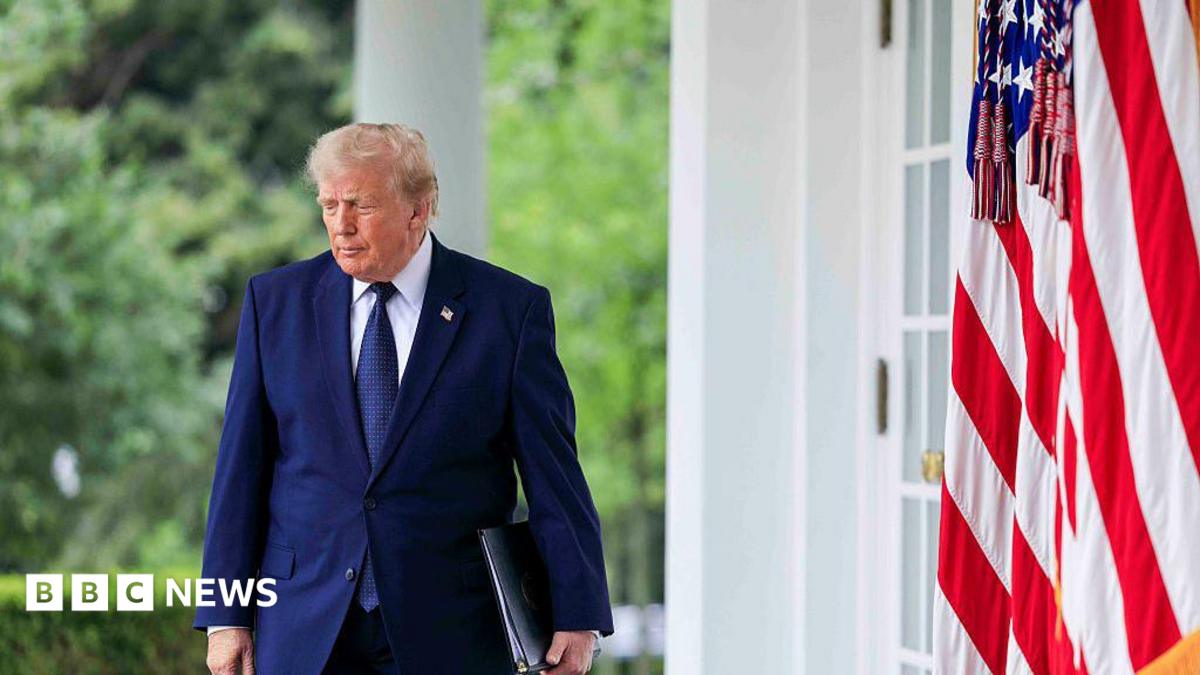
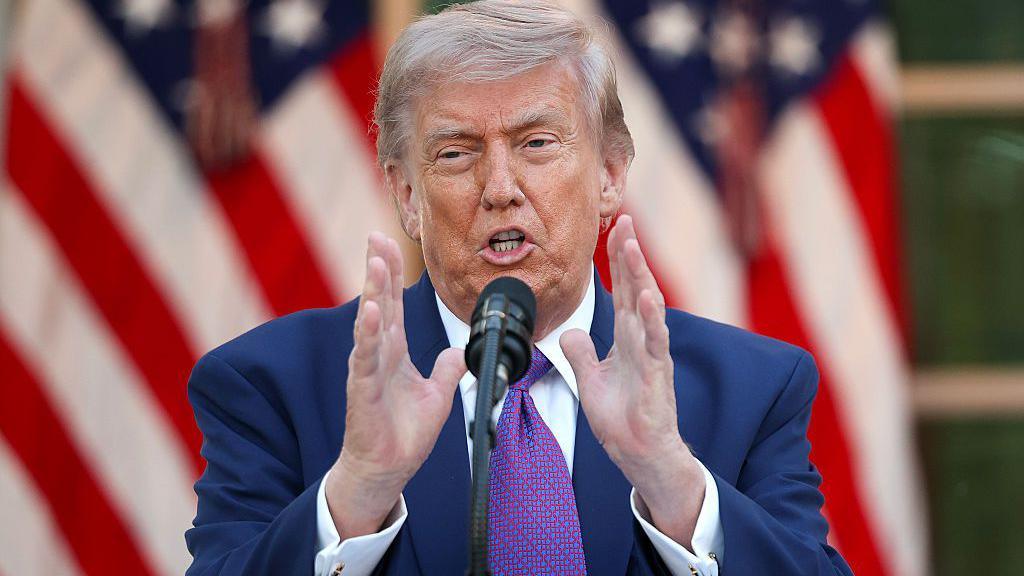
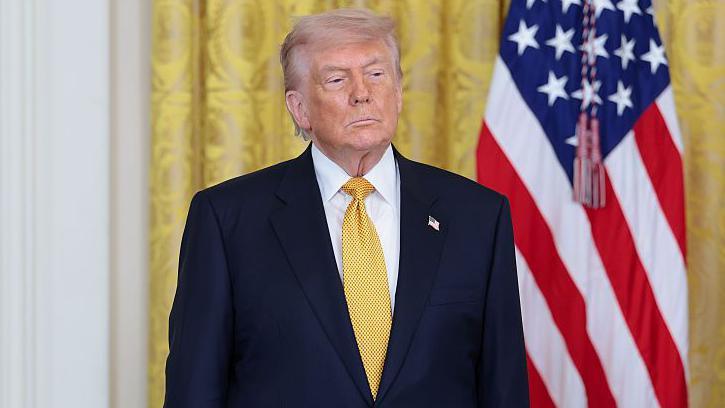
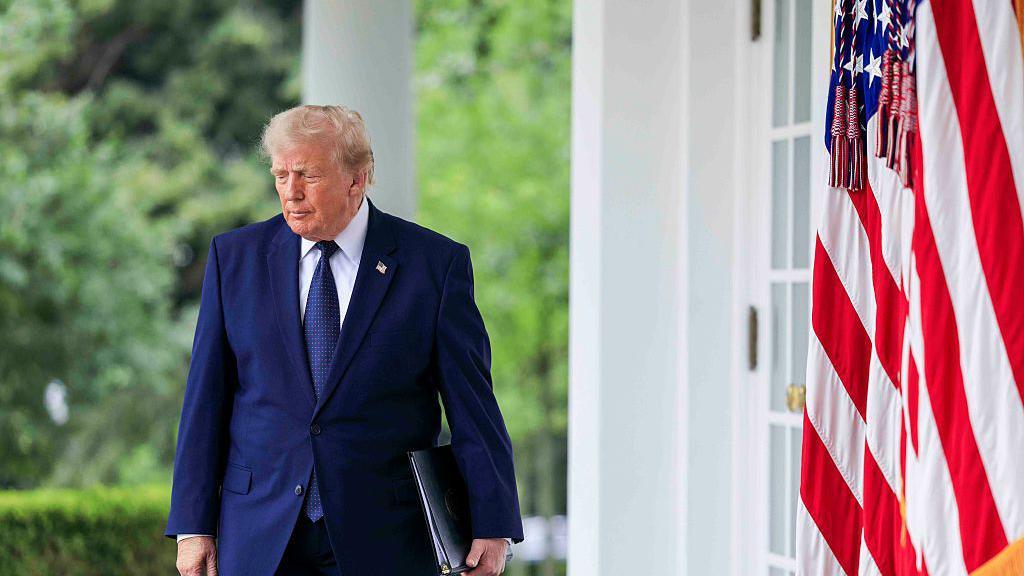

US District Judge Kathleen Williams voided a legal settlement between President Donald Trump and federal agencies on Monday, ruling that the agreement was filed in bad faith and used the judicial process improperly. The settlement, reached earlier in 2026, included a $1.8bn "anti-weaponisation" fund designed to compensate individuals claiming they were unfairly targeted by the government, along with tax audit immunity for Trump, his family, and related entities.
Trump and his sons had filed a $10bn lawsuit against the IRS over the leak of his tax returns by a former IRS contractor, Charles Littlejohn. The leaked information formed the basis of a 2020 New York Times investigation revealing Trump paid only $750 in federal income taxes in 2016 and no taxes in 10 of the previous 15 years. The government reached the settlement without contesting the lawsuit, but the arrangement drew swift bipartisan criticism, prompting acting attorney general Todd Blanche to announce the Justice Department was scrapping the fund — though tax immunity provisions initially remained in place.
In her 56-page ruling, Williams found no genuine legal controversy existed between the parties, since Trump as president controls the Treasury Department and IRS. She wrote that the lawsuit "was never about a party seeking judicial resolution of a legal issue" but rather "an attempt to use the court to provide some legitimacy to an agreement to confer immunity to people and entities affiliated with the president." Williams noted that Trump did not pursue claims about the tax leak until after regaining the White House and appointing allies to the Department of Justice, and that one of his lawyers never properly sought permission to appear in the Florida court despite doing so in other cases.
The ruling blocks Trump, his sons, his business, and the government from citing or using any terms of the settlement in future proceedings, effectively allowing the IRS to move forward with audits into Trump's tax claims. Williams referred Trump attorney Alejandro Brito to the Florida bar for potential disciplinary action and barred attorney Daniel Epstein from appearing on behalf of clients in the southern district of Florida for at least one year. Tax experts noted the decision does not prevent future attempts at presidential self-dealing without congressional action to strengthen protections against political interference in the tax system.
Why This Matters
This ruling strips away immunity protections that could have shielded Trump from future tax investigations, potentially exposing him and his entities to renewed IRS scrutiny. The decision also signals judicial limits on presidential use of settlement agreements to circumvent tax enforcement—a precedent with implications for executive accountability and the institutional independence of the tax system.
Timeline & Sources
Jan 1, 2016
WireTrump paid $750 in federal income taxes; New York Times later reports this in 2020
Jan 1, 2020
WireCharles Littlejohn, former IRS contractor, leaked Trump's tax returns to New York Times; Trump loses presidential election
Jan 1, 2026
WireTrump, his sons, and Trump Organization file $10bn lawsuit against IRS over tax return leak