
Emerging
Published Jun 18, 2026Updated Jun 181
59%
Hair Loss at Age 30: Common Causes and Prevention Strategies
Hair loss at age 30 stems from genetic predisposition, stress, hormonal imbalances, nutritional deficiencies, and lifestyle factors including tight hairstyles and excessive heat styling. Prevention involves dietary management, stress reduction, gentler styling practices, medication review, and avoiding environmental and habitual risk factors.
Quick Facts
- hair loss and baldness
- nutritional deficiency-induced hair shedding
- hormonal imbalance effects
- heat styling damage
- tight hairstyle tension
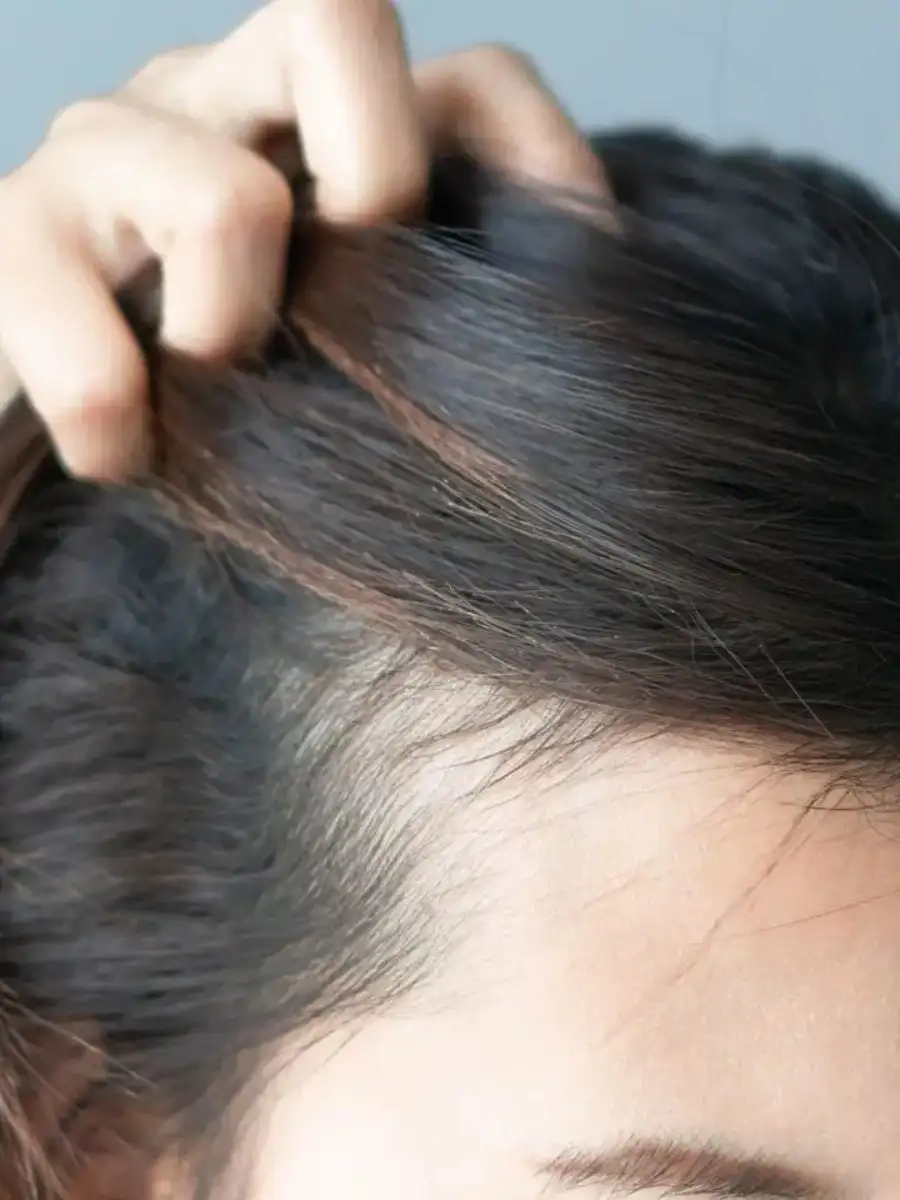
Hair loss at 30 can result from multiple interconnected factors, with genetics playing a foundational role. Dermatological research indicates that if previous generations experienced hair loss, individuals are at higher risk regardless of age. Beyond heredity, stress from family pressures, financial difficulties, and personal challenges can accelerate hair thinning and premature baldness.
Nutritional deficiencies significantly impact hair health at this age. Adequate intake of protein, zinc, iron, biotin, and vitamin D is essential for strong hair growth. Without proper nutrition, weakened hair strands become prone to excessive shedding. Additionally, hormonal imbalances affect both men and women at 30, with women facing particular vulnerability due to pregnancy, childbirth, and polycystic ovary syndrome (PCOS). Thyroid dysfunction also contributes to hair loss and should be monitored.
Lifestyle and styling practices have measurable effects on hair integrity. Heat styling tools, tight hairstyles such as ponytails, braids, and cornrows create tension on hair follicles, damaging them prematurely. Environmental exposure to hard water (bore water and salt water), air pollution, and habits such as smoking and alcohol consumption further weaken hair. Certain medications including blood thinners, antidepressants, and blood pressure treatments can trigger accelerated hair loss.
Prevention strategies focus on addressing modifiable factors. Maintaining a balanced, nutrient-rich diet, managing stress levels, and adopting looser hairstyling practices reduce damage. Limiting heat styling, using filtered water for washing, avoiding smoking and excessive alcohol, and consulting healthcare providers about medication side effects can help mitigate hair loss at this age. Regular monitoring and early intervention remain important for preserving hair health.
Why This Matters
Hair loss at 30 can significantly impact self-confidence and quality of life during a critical professional and personal development period. Understanding the modifiable causes—from nutritional deficiencies to styling practices—empowers readers to take actionable prevention steps before hair loss becomes severe. Early intervention through diet optimization, stress management, and gentler styling habits can substantially slow or reverse hair thinning, making this knowledge directly relevant to maintaining appearance and self-esteem.