
Emerging
Published Jun 18, 2026Updated Jun 191
69%
Russian Forces Advance Near Huliaipole, Expand Gray Zone in Zaporizhzhia Region
Russian forces advanced near Huliaipole in the Zaporizhzhia region, expanding the gray zone by 2.45 square kilometers without capturing villages. ISW reports limited Russian ground operations failed due to Ukrainian counterattacks, while Ukraine continued strikes on Russian targets.
Quick Facts
- Advanced near Huliaipole
- Expanded gray zone by 2.45 square kilometers
- Conducted infiltration operations
- Carried out limited ground operations
- Launched counterattacks



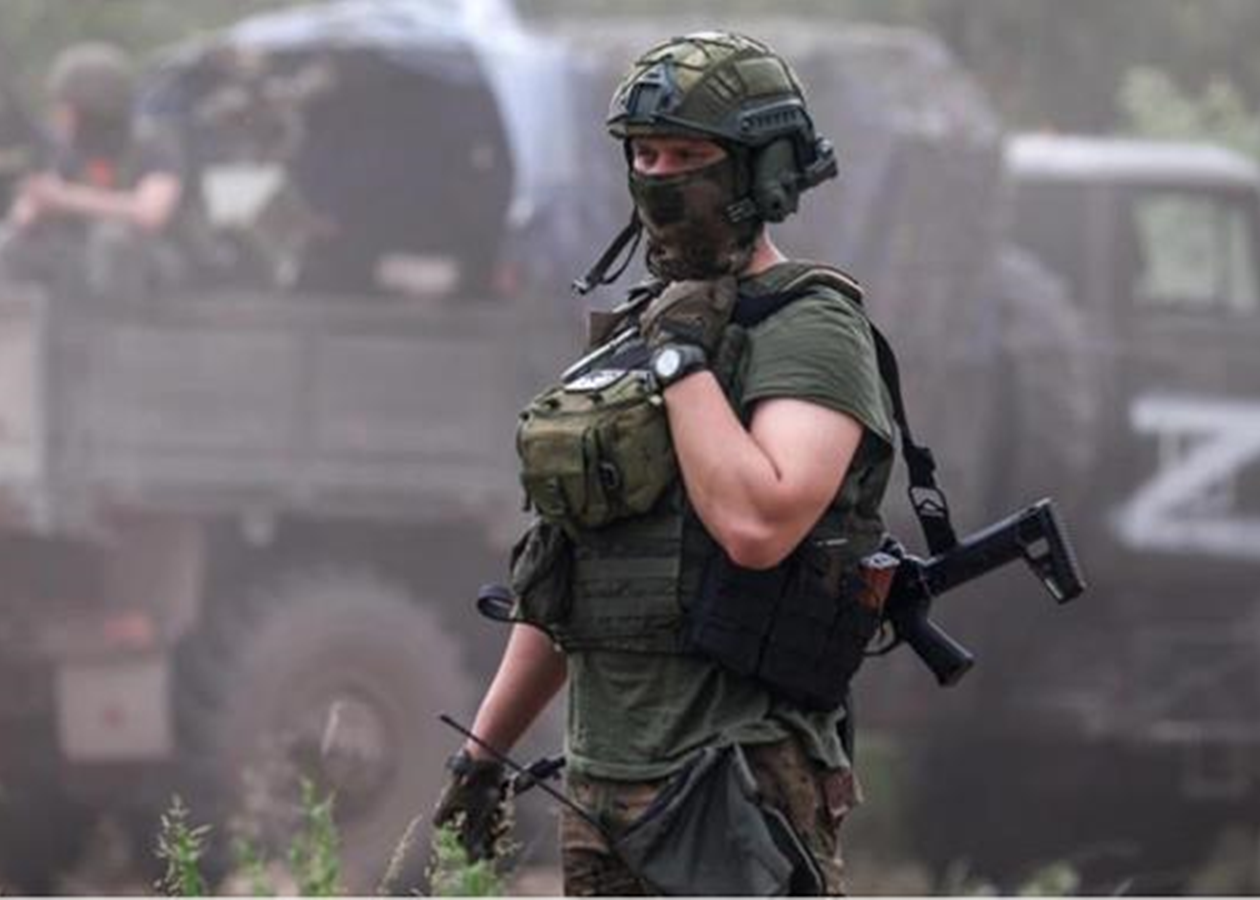
Russian forces have advanced near the city of Huliaipole in Ukraine's Zaporizhzhia region, expanding the gray zone by approximately 2.45 square kilometers on June 17, according to data from the OSINT-project DeepState. This movement occurred outside populated areas and no villages were captured.
Separately, to the west and northwest of Huliaipole, the penetration zone expanded by an additional 4.68 square kilometers, though this did not result in new occupied territory. Earlier shifts in the area were reported on June 8.
The Institute for the Study of War (ISW), in its June 17 report, stated that Russian forces conducted infiltration operations northwest of Huliaipole, but Ukrainian defenders attacked them near the village of Pryiutske. The report also noted that Russian troops carried out limited ground operations in western Zaporizhzhia Oblast on June 16 and 17 but failed due to Ukrainian counterattacks.
Ukrainian forces continued their medium-range strike campaign against Russian military and energy infrastructure in occupied parts of Zaporizhzhia Oblast, ISW added.
Military experts observed that over the past week, the average daily increase in occupied territory was 2.1 square kilometers, while the gray zone shrank by 1.4 square kilometers per day.
Why This Matters
The expansion of the gray zone near Huliaipole indicates sustained Russian pressure on Ukrainian defensive lines in Zaporizhzhia, testing Ukraine's ability to hold territory amid limited reserves. For readers, this signals that the front line remains fluid and that Ukrainian counterattacks are critical to preventing Russian gains from becoming permanent occupied territory. The data also highlights the importance of medium-range strikes on Russian infrastructure to degrade offensive capacity.