
Emerging
Published Jun 18, 2026Updated Jun 191
59%
More than 50 regions of Russia impose gasoline purchase limits in June 2026
By mid-June 2026, over 50 Russian regions have imposed gasoline purchase limits, starting from Crimea and extending to Moscow, Saint Petersburg, Krasnodar, and others. Drivers face long queues, cash-only payments, and quotas as low as 20 liters per vehicle, especially at Tatneft stations. The crisis has disrupted travel and caused significant price increases.
Quick Facts
- Imposed gasoline purchase limits in more than 50 regions
- Limited sales to 20 liters per person in Crimea
- Required vouchers and QR codes for AI-95 gasoline in Sevastopol
- Accepted cash only at many stations
- Created long queues and waiting times of up to five hours
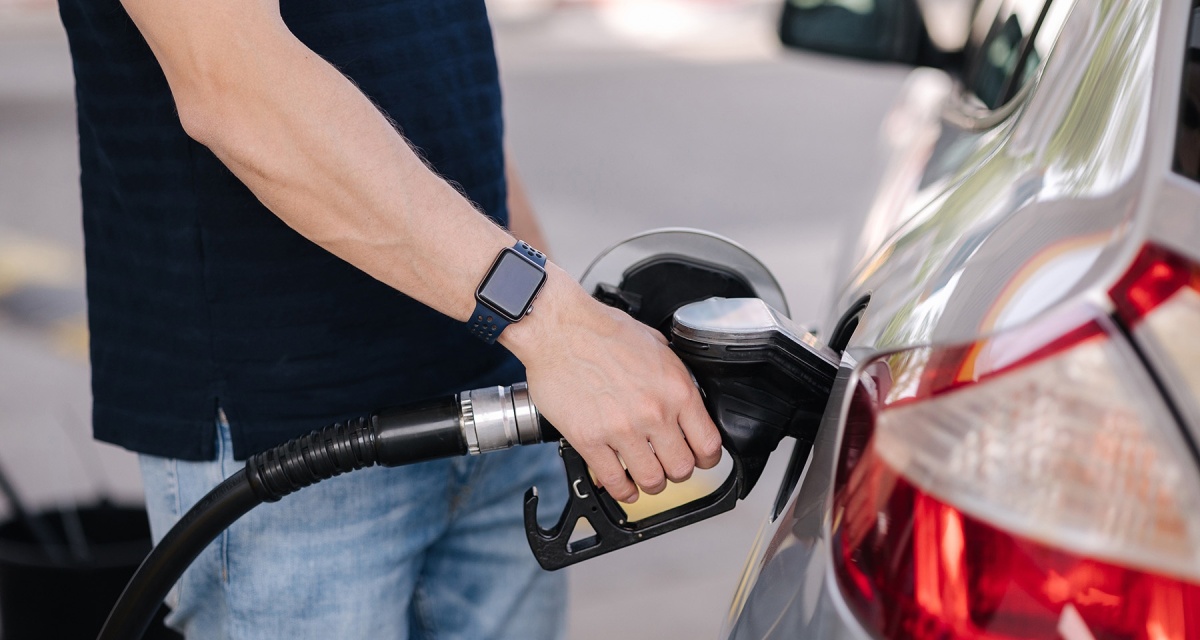


In mid-June 2026, more than 50 regions across Russia introduced restrictions on the sale of gasoline, triggering long queues, rising prices, and payment disruptions. The measures, which started in Crimea, have spread to major cities including Moscow, Saint Petersburg, and Krasnodar, as well as dozens of other areas. Many gas stations now only accept cash, leaving travelers and residents scrambling for cash and fuel.
Crimea and Sevastopol were the first to impose limits, with authorities capping gasoline sales at 20 liters per person and requiring special vouchers for the popular AI-95 grade. Since June 13, Sevastopol has further reduced fuel availability to just nine gas stations, where drivers must pre-register via an app to receive a QR code. Locals report waiting four to five hours in line, often at dawn, only to secure 20 liters.
In the Krasnodar region, which many Crimeans turned to for fuel, limits were introduced on June 10: several stations halted sales entirely, and others restrict purchases to 20 liters per vehicle. In Moscow, the ORTK and Tatneft chains began limiting sales from June 10-12, with Tatneft capping gasoline at 20 liters and diesel at 40 liters per vehicle. Even stations without formal limits have seen sharp price hikes and long queues.
Saint Petersburg and the Leningrad region introduced a limit of 100 liters per vehicle on June 16, with no allowance for filling canisters. Tatneft stations there apply the same 20/40-liter limits. On the M-11 highway, queues stretch one to two kilometers, with wait times of several hours. Authorities advise drivers to exit to the free M-10 route.
The shortage has extended to central Russia, the Northwest, the Volga region, and parts of Siberia, including Samara, Smolensk, Arkhangelsk, Nizhny Novgorod, and Kemerovo. While the deficit remains localized, Tatneft stations are the most restrictive, while Rosneft and Lukoil stations generally allow 90-100 liters. Cash-only policies have become widespread, catching many without sufficient cash.
Why This Matters
This gasoline purchase limit crisis in Russia signals a major supply disruption that could affect global energy markets and travel logistics. For readers, especially those in or traveling to Russia, understanding where and how limits apply is crucial for planning fuel stops, carrying sufficient cash, and avoiding excessive wait times. The localized yet widespread nature of the shortage means even regions not listed may be affected indirectly. Businesses relying on road transport need to reroute or adjust schedules to avoid Tatneft stations and prefer Rosneft or Lukoil where limits are more generous.
Timeline & Sources
Jun 10, 2026
WireFirst gasoline limits introduced in Crimea; restrictions appear at ORTK stations in Moscow and at stations in Krasnodar Krai
Jun 12, 2026
WireTatneft stations in Moscow impose limits of 20 liters gasoline and 40 liters diesel per vehicle
Jun 13, 2026
WireSevastopol further restricts fuel sales to only nine gas stations, requiring QR codes via app
Jun 16, 2026
WireSaint Petersburg and Leningrad Oblast impose a limit of 100 liters per vehicle; Tatneft stations there adopt 20/40-liter limits
Jun 17, 2026
WireMore than 50 regions across Russia report gasoline purchase limits; waiting times and queues widespread