Geo
Jun 19, 20261
69%
Macron and Merz Criticize EU Council President Koscta for Engaging Russia on Ukraine
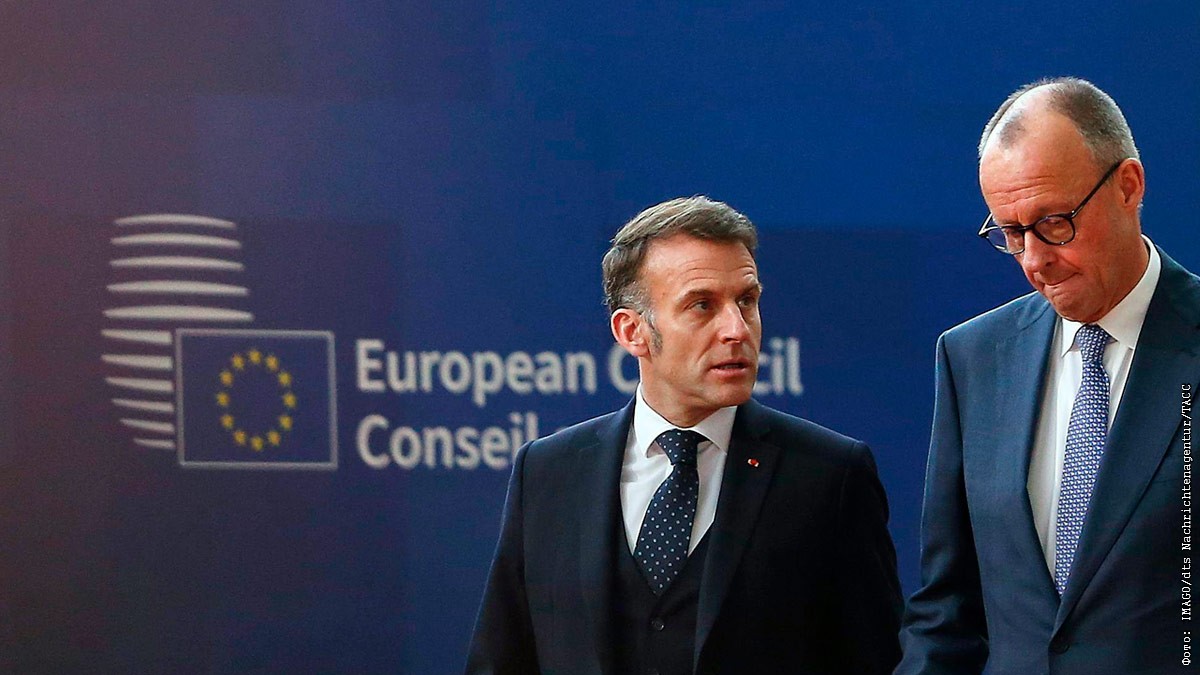
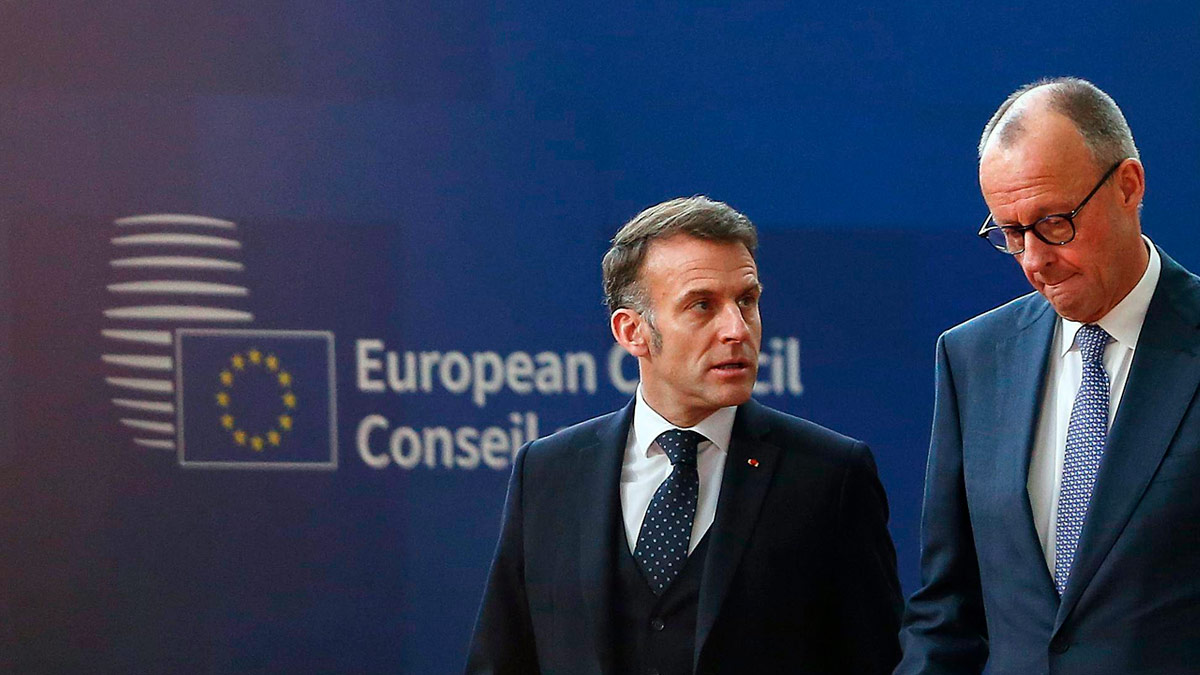
French President Macron and German Chancellor Merz have criticized EU Council President António Costa for attempting to establish diplomatic contact with Russia on Ukraine issues. While they argue that Germany, France, and the UK should lead any future negotiations, most EU leaders support Costa's efforts and insist the EU should spearhead talks. The controversy was amplified by undisclosed contacts between Costa's aide and Russian officials.
Quick Facts
Who
Emmanuel Macron
What
Criticism of Costa's efforts to engage Russia on Ukraine
When
June 19, 2026
Where
European Union
- Criticism of Costa's efforts to engage Russia on Ukraine
- Debate over who should lead negotiations with Moscow
- Undisclosed contacts between Costa's aide and Russian officials
- Division among EU leaders on engagement strategy
- Emmanuel Macron
French President Emmanuel Macron and German Chancellor Friedrich Merz have publicly criticized EU Council President António Costa's efforts to establish contact with Moscow regarding Ukraine settlement negotiations, according to reporting by Politico citing five informed diplomats and officials. The two leaders argue that the current moment is unsuitable for talks with Russia, and that when the time comes, engagement should be led by Germany, France, and the United Kingdom rather than the broader EU bloc.
The criticism has divided European leadership. Merz and Macron have gained support from leaders of the most Russia-critical countries, as well as Denmark and the Netherlands. However, the majority of EU leaders have sided with Costa, arguing that any Ukraine-related negotiations should be conducted through EU institutions rather than individual member states.
The dispute has been intensified by recent diplomatic contacts between Costa's chief aide, Pedro Loureiro, and Russian officials. According to Politico sources, Loureiro made two contacts with Moscow officials in recent weeks, with many EU leaders learning about these communications only through media reports. This lack of transparency has provoked considerable anger among some member states who felt excluded from the process.
The internal EU disagreement comes as U.S. President Donald Trump has signaled renewed focus on the Ukraine conflict, including discussions with Iran. This development has elevated the stakes and urgency of the debate within Europe about who should lead any engagement with Moscow and under what circumstances such negotiations should occur.
Topics
Why This Matters
This internal EU division over Ukraine diplomacy directly impacts how Europe positions itself in future negotiations with Russia. For business leaders, investors, and policy professionals, the outcome will shape EU sanction policies, energy negotiations, and geopolitical stability. The controversy also signals weakness in EU decision-making processes, with key diplomatic moves conducted without full transparency—a critical concern for stakeholders monitoring European political risk and institutional cohesion.
Timeline & Sources
Jun 19, 2026
WirePolitico publishes reporting on Macron and Merz's criticism of Costa