Geo
Jun 23, 2026 Major3
86%
Over 400 Migrant Workers Report Unpaid Wages from Singapore Air-Conditioning Firms
Over 400 migrant workers from India and Bangladesh reported unpaid wages spanning three months from KPA Engineering and SK Industries in Singapore, with the companies' shared director becoming uncontactable. Government agencies and NGOs intervened with wage recovery assistance, job transfers, housing, and temporary passes while investigating potential employment law violations.


Quick Facts
Who
Over 400 migrant workers from India and Bangladesh
What
Workers reported unpaid wages for three months
When
June 22, 2026 (initial complaint date)
Where
Singapore
- Workers reported unpaid wages for three months
- Over 100 workers initially approached MOM Services Centre on June 22
- Companies became shuttered and director became uncontactable
- Food suppliers stopped providing meals due to non-payment
- MOM and TADM launched investigations into employment law violations
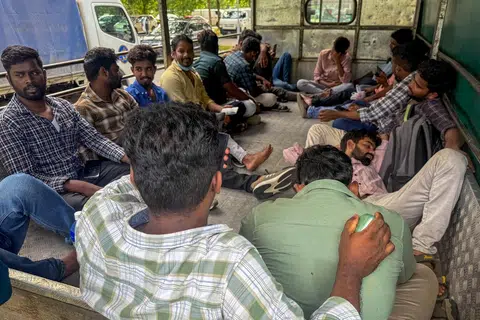
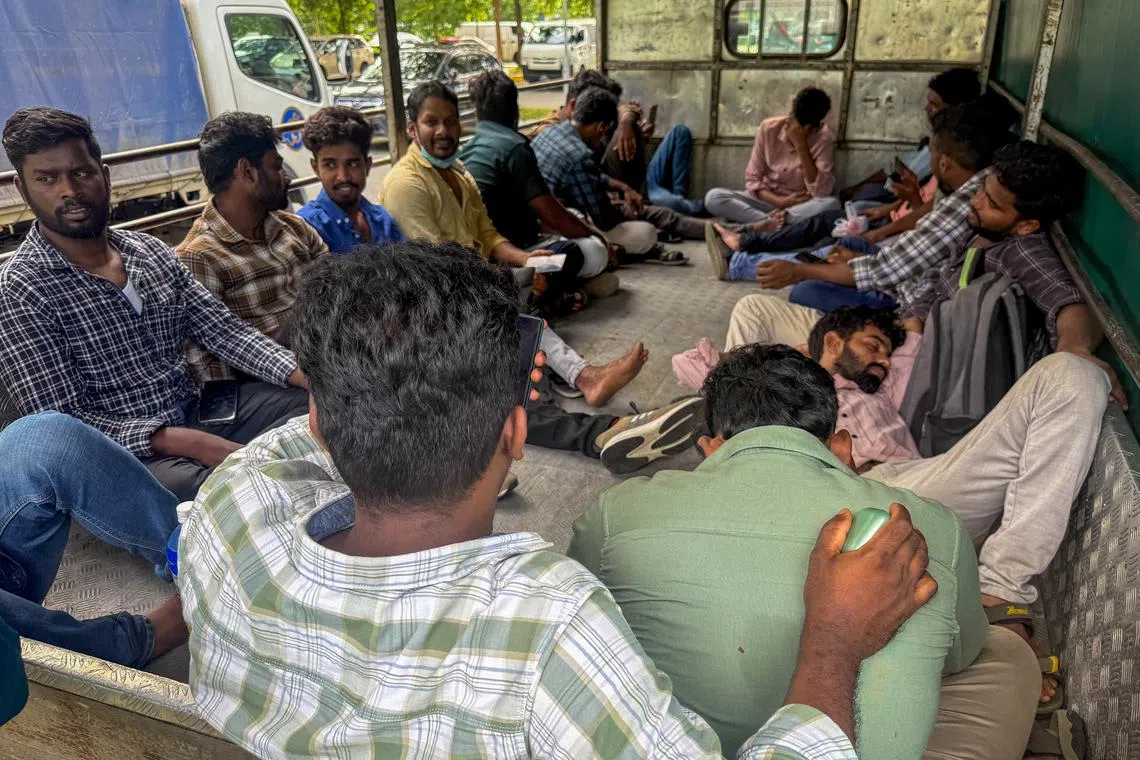
Over 400 migrant workers from India and Bangladesh have reported severe unpaid wage disputes involving KPA Engineering and SK Industries, two air-conditioning and industrial services companies in Singapore. The crisis escalated in late June when more than 100 workers initially approached the Ministry of Manpower (MOM) Services Centre in Bendemeer, with the total number of affected workers subsequently climbing to approximately 400. Both companies share a common director who became uncontactable weeks before the complaints surfaced, prompting workers and creditors alike to seek resolution through official channels.
Workers reported being owed three months of wages, with some cases exceeding SGD 5,000 per individual. The situation was compounded when food suppliers hired by the employers stopped providing meals after claiming they themselves had not been paid. Many affected workers, primarily housed at Tuas View Dormitory, found themselves facing acute financial hardship, unable to afford basic necessities including food and transport. Individual accounts highlighted the severity of the crisis: one worker reported having gone without food for two days, while others relied on family support and emergency assistance from authorities and NGOs. The companies' closure added urgency to the situation, as workers' work permits faced imminent expiration.
The business director's network extends beyond these two firms. Records show he is the sole or joint director of at least five other companies providing air-conditioning, plumbing, and building services, registered across multiple years including three established in a single day in 2025. One registered address, a private estate near Bukit Timah, was leased to a foreign national for approximately eight months. Creditors, including caterers and suppliers, had been attempting to contact the director for weeks regarding unpaid debts.
Government agencies and non-governmental organisations swiftly mobilised support. The Ministry of Manpower, in coordination with the Tripartite Alliance for Dispute Management (TADM), launched investigations into potential employment law violations. The Migrant Workers' Centre (MWC) and the Foreign Workers' Centre met with affected workers, providing immediate assistance including meals, transport, and temporary housing arrangements. Authorities permitted workers to transfer to new employers while complaints were being processed, issuing Special Passes to enable legal residence during dispute resolution. However, NGO representatives noted that employment agency fees—typically two months' salary for a two-year contract—posed significant barriers for financially-stranded workers seeking new positions.
Authorities emphasised that timely and full wage payment is a fundamental employer responsibility. Investigations continue to determine whether the companies violated employment statutes, with enforcement actions pending if wrongdoing is confirmed. Workers were encouraged to lodge formal salary claims through TADM and contact the Foreign Workers' Centre's 24-hour hotline for ongoing support. The incident underscores vulnerabilities in the migrant worker employment system and the importance of proactive regulatory oversight and NGO intervention in wage dispute cases.
Why This Matters
This case reveals systemic vulnerabilities in migrant worker protection within Singapore's employment framework. When unscrupulous employers disappear and workers face wage theft, the incident demonstrates how regulatory agencies (MOM, TADM) and civil society organizations (MWC, FWC) must coordinate swiftly to prevent destitution. For readers, the story underscores the importance of transparent hiring practices, employment agency accountability, and proactive government oversight to safeguard one of Singapore's most vulnerable labour populations—and offers a blueprint for emergency response when employer malfeasance occurs.
Timeline & Sources
Jan 1, 2014
WireKPA Engineering established
Jan 1, 2019
WireCommon director set up a separate firm
Jan 1, 2020
WireAnother firm registered listing three former directors
Jan 1, 2023
WireSK Industries registered with common director as sole director
Jan 1, 2025
WireCommon director registered three companies in one day
Entities
- Migrant Workers' Centre (MWC)
- Foreign Workers' Centre
- Transient Workers Count Too
- Zakher (Zaker)
- Tagore Lane
- Penjuru Road
- Tripartite Alliance for Dispute Management (TADM)
- Rajenderan (Rajindran)
- KPA Engineering
- Sampath
- Common director (unidentified)
- Tuas View Dormitory
- SK Industries
- Singapore
- Ministry of Manpower (MOM)