
Oct 22·Market
Follow-up 3h ago Major4
100%
Marathon Fusion Claims Mercury-to-Gold Breakthrough at 10x CERN's Rate
Marathon Fusion announced on October 21 that it has converted mercury into stable gold using fusion-generated neutrons at a rate claimed to be ten times CERN's 2025 record. The startup has not disclosed the quantity produced or provided independent verification, leaving questions about commercial viability and potential market impact. Experts note that fusion-made gold remains years away from commercial production due to radioactive byproducts and energy costs.
Quick Facts
- Announced transmutation of mercury into stable gold using fusion-generated neutrons
- Claimed achievement at rate 10 times CERN's 2025 record
- Demonstrated plasma centrifuge isotope separation claimed to exceed 40-year-old Soviet record
- Announced production of radioactive copper isotopes from zinc irradiation
- Proposed construction of fusion reactor in San Francisco
Related Insights
Marathon Fusion Claims Turning Mercury into Gold Why It's Trending · YouTube
Fusion Startup Turned Mercury Into Gold — At 10x CERN's Record Prismic Post · YouTube


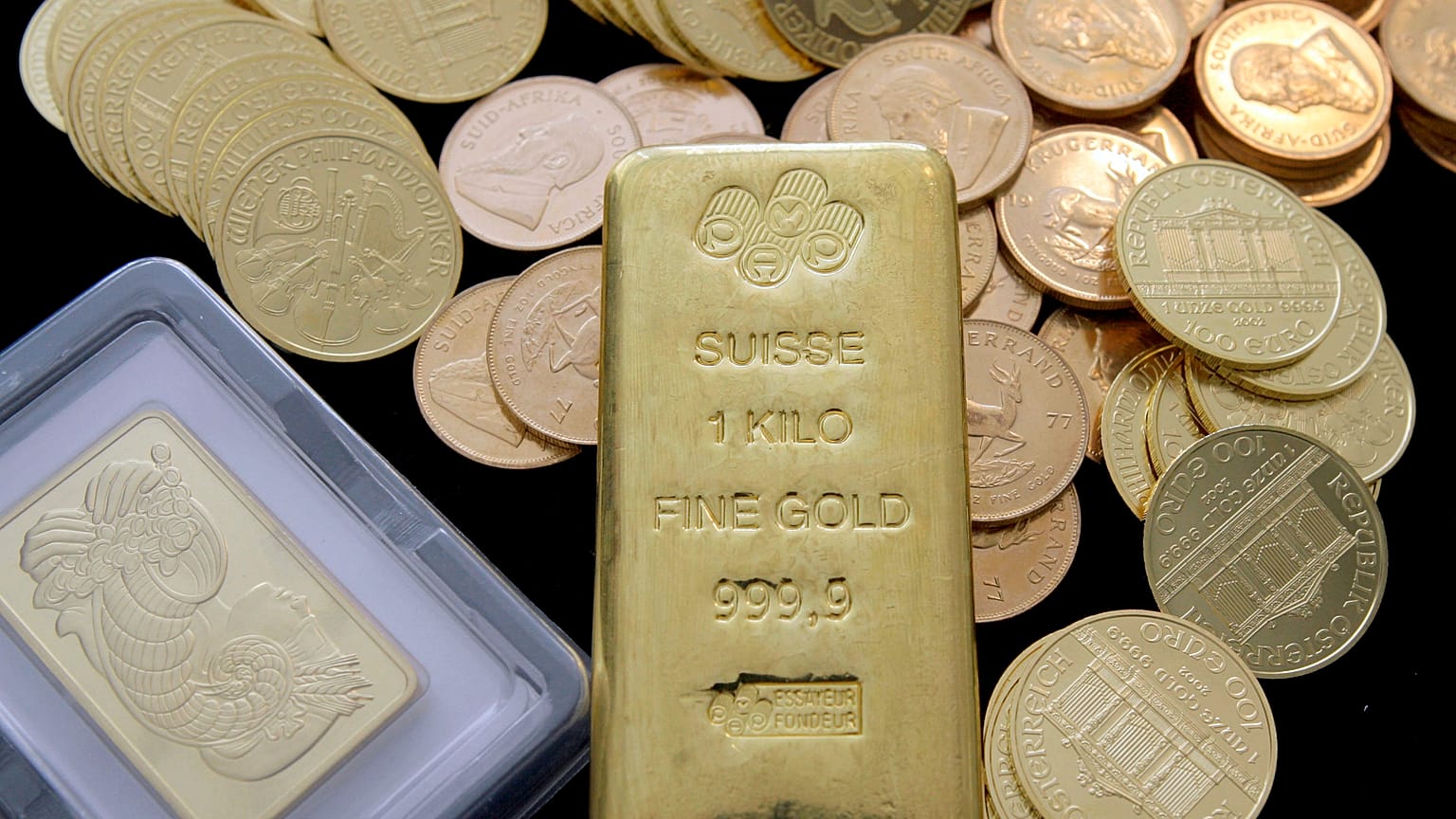
Marathon Fusion, a San Francisco-based fusion startup founded in 2023 by Kyle Schiller and Adam Rutkowski, announced on October 21 that it has successfully transmuted mercury into stable gold using fusion-generated neutrons. The company claims the process operates at a rate ten times higher than CERN's 2025 record, in which the Large Hadron Collider produced approximately 29 picograms of gold—roughly 86 billion gold nuclei that existed for only fractions of a second before breaking apart.
Marathon's proposed method uses high-energy neutrons from deuterium-tritium fusion reactions to convert mercury-198 into mercury-197, which subsequently decays into gold-197, a stable gold isotope. The company shared gamma-ray measurements it says demonstrate the presence of mercury-197 and gold-197 after neutron irradiation, but has disclosed neither the quantity of gold produced nor detailed experimental data. The announcement has not undergone independent peer-review verification.
The startup's 2025 research paper modeled that a commercial fusion reactor could theoretically produce approximately 2 tonnes of gold per gigawatt of thermal power annually. By comparison, global mines produced 3,672 tonnes of gold in 2025, and roughly 222,600 tonnes of mined gold exist above-ground as of mid-2026. However, Marathon's current reactor operates at only 1 kilowatt of fusion power—a millionth of a gigawatt. Additionally, freshly produced gold would contain radioactive isotopes requiring 7 to 17 years of storage before reaching commercial sale, depending on safety standards.
The announcement has reignited historical concerns that lab-produced gold could undermine the metal's scarcity, mirroring what lab-grown diamonds did to the diamond market. De Beers, the diamond conglomerate, suffered significant losses after lab-grown stones eroded prices; wholesale prices for lab-grown diamonds fell 90–95% from 2015 levels. However, gold markets remain substantially larger and more complex, with central banks holding significant reserves as a store of value. Gold traded at approximately $4,062 per ounce on October 24, down more than 27% from its January 2026 record high of $5,598.
Marathon Fusion is backed by investors including Breakthrough Energy (founded by Bill Gates), Anglo American, and the U.S. Department of Energy, which designated it a partner. The company also secured a 2023 award from ARPA-E. Beyond gold transmutation, Marathon is pursuing production of medical isotopes for cancer diagnosis and treatment, and claims to have broken a 40-year-old Soviet record with its plasma centrifuge for isotope separation.
Why This Matters
Marathon Fusion's claimed transmutation breakthrough raises potential implications for gold markets, with commercial viability contingent on scaling from current 1-kilowatt fusion power to industrial-scale reactors producing 2 tonnes annually per gigawatt. Current gold supply stands at 3,672 tonnes annual mine production and approximately 222,600 tonnes above-ground inventory; fusion-generated gold would require 7–17 years of radioactive storage before market entry. Investor backing from Breakthrough Energy, Anglo American, and the U.S. Department of Energy signals institutional confidence, but lack of independent peer-review verification and undisclosed production quantities leave technical and economic claims unconfirmed. Historical precedent from lab-grown diamonds—which fell 90–95% in wholesale price from 2015 levels—illustrates potential market disruption risk, though gold's role in central bank reserves and its substantially larger market create distinct dynamics.
Timeline & Sources
Jan 1, 2023
WireMarathon Fusion founded by Kyle Schiller and Adam Rutkowski
Jan 1, 2023
WireMarathon Fusion awarded ARPA-E recognition for high-risk energy research
Jan 1, 2025
WireMarathon Fusion publishes theoretical modelling study estimating 2 tonnes gold per gigawatt annually
Sources
- Will Lab-Made Gold Flood the Market? A Startup Just Turned Mercury Into GoldYahoo FinanceMediaOct 22, 2026
- Marathon Fusion claims it can turn mercury into gold: Could it crash gold prices?CNBC TV18MediaOct 22, 2026
- Turning mercury into gold? A US start-up says it has just done itEuronews.comMediaOct 23, 2026
- Who is Marathon Fusion CEO Kyle Schiller? Can the startup really turn mercury into gold?ET NowMediaOct 23, 2026