
Sep 17·Market
Follow-up 4h ago4
91%
Amazon Prime Refunds Expand to $200 Under Revised FTC Settlement
A federal court approved expanded refund terms in the FTC's $2.5 billion Amazon Prime settlement on September 17, 2026, raising the maximum refund from $51 to $200 and extending eligibility to millions of additional customers. Automatic payments to newly eligible consumers begin October 1, 2026, with no claims required.
Quick Facts
- Federal court approved revised FTC–Amazon settlement order
- Expanded eligibility for Prime refunds
- Increased maximum refund cap from $51 to $200
- Automatic payments via PayPal, Venmo, or check
- Supplemental payments of up to $149 to prior recipients
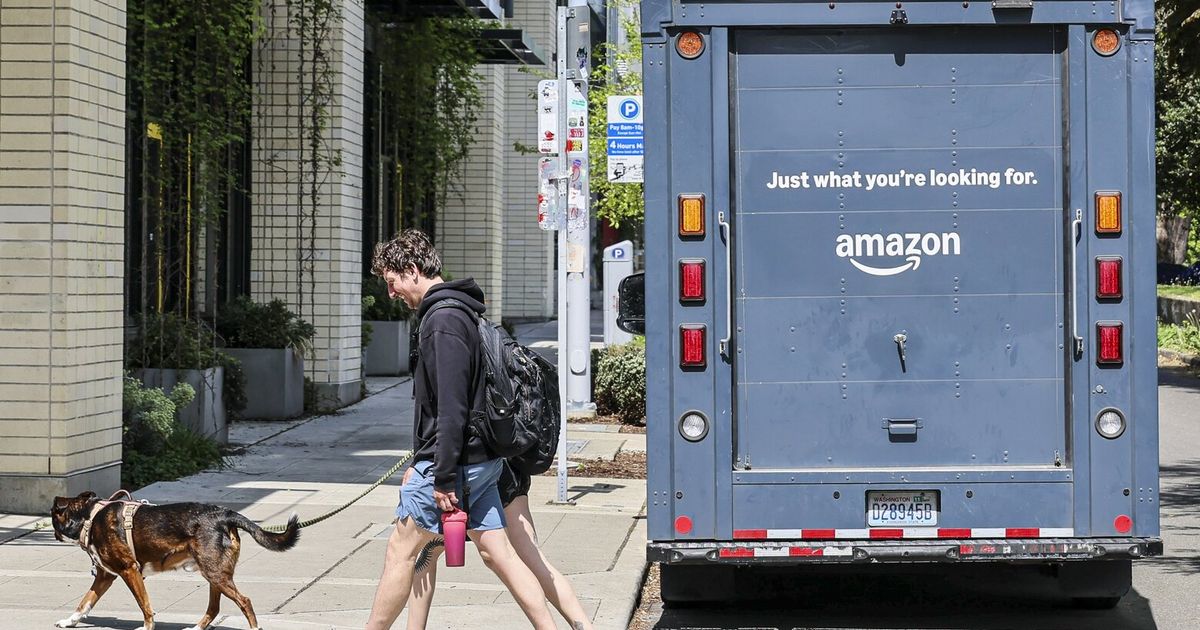
The Federal Trade Commission announced on September 17, 2026, that a federal court has approved expanded refund provisions in its $2.5 billion settlement with Amazon over deceptive Prime enrollment practices. The revised order increases the maximum refund cap from $51 to $200 and broadens eligibility to include customers who used between 11 and 20 Prime benefits during a one-year period, significantly expanding the pool of qualifying consumers.
The original September 2025 settlement required Amazon to pay $1.5 billion in consumer redress plus a $1 billion civil penalty—the FTC's largest penalty for a rule violation at that time. The settlement addressed allegations that Amazon enrolled millions of consumers in Prime subscriptions without clear consent and made cancellation deliberately difficult. As of September 2026, Amazon had distributed over $845 million to consumers through earlier phases of the program.
Under the revised order, automatic refund payments to newly eligible consumers will begin October 1, 2026, via PayPal, Venmo, or mailed check, with no claims process required. Customers who previously accepted refunds may receive additional automatic supplemental payments of up to $149 by April 2027, bringing their total to $200, provided that overall consumer payments have not reached the required threshold by February 2027. The FTC emphasized that all future payments will be distributed automatically, eliminating paperwork requirements.
The FTC's Bureau of Consumer Protection Director Christopher Mufarrige stated that the revised order ensures "more consumers who were harmed by Amazon's deceptive enrollment and cancellation practices benefit from the FTC's historic settlement." Eligible consumers are those who signed up for Prime through deceptive enrollment flows (such as the shipping selection page or single-page checkout) or attempted to cancel between June 23, 2019, and June 23, 2025. The FTC cautioned consumers that it will never demand money or personal financial information in connection with the settlement, and advised that scammers may impersonate FTC or Amazon representatives.
Topics
Why This Matters
The expanded settlement affects millions of additional Prime subscribers who used 11–20 benefits annually and enrolled through deceptive practices between June 2019 and June 2025. Automatic distribution starting October 1, 2026, and potential supplemental payments by April 2027 will increase total consumer redress to the $2.5 billion authorized amount. This resolves a major FTC enforcement action and establishes precedent for refund scope in subscription-cancellation cases.
Timeline & Sources
Jun 23, 2019
WireEligible enrollment period begins
Jun 23, 2025
WireEligible enrollment period ends
Sep 11, 2026
WireFTC and Amazon file joint motion to revise settlement order
Sep 17, 2026
WireFTC announces federal court approval of revised order; $845 million already distributed
Oct 1, 2026
WireAutomatic refund payments begin for newly eligible consumers
Sources
- FTC Announces Additional Payments to Consumers Stemming from FTC’s Amazon Prime SettlementftcMediaSep 17, 2026
- Amazon Prime customers may be eligible to receive $200 as settlement growsDallas NewsMediaSep 18, 2026
- Didn’t get an Amazon Prime refund? You still may qualifyThe Seattle TimesMediaSep 17, 2026
- Millions more Amazon Prime refunds are coming: Here’s how you could get up to $200AZ FamilyMediaSep 18, 2026