Science
Jun 18, 2026 Major2
83%
2011 Tohoku Earthquake Caused Entire Country of Japan to Shift Eastward, Study Reveals
A new study reveals that the 2011 Tohoku earthquake triggered an eastward shift of the entire country of Japan by up to six millimeters, occurring 15 minutes after the main shock. Researchers attribute this never-before-seen phenomenon to ScS seismic waves that traveled to the Earth's core and back, suggesting a previously unknown earthquake hazard.

Quick Facts
Who
Sunyoung Park
What
2011 Tohoku-Oki earthquake caused entire Japan to shift eastward
When
March 2011
Where
Japan
- 2011 Tohoku-Oki earthquake caused entire Japan to shift eastward
- ScS seismic waves bounced off Earth's core and triggered slip
- Ground moved uniformly up to 5-6 millimeters across the country
- Study published in Science on June 18, 2026
- Sunyoung Park
More than a decade after the catastrophic magnitude 9.0 Tohoku-Oki earthquake struck Japan in March 2011, researchers have uncovered a remarkable phenomenon: the entire country moved eastward by up to six millimeters about 15 minutes after the main shock. This subtle but widespread ground shift was triggered by seismic waves that traveled deep into the Earth, bounced off the planet's core, and returned to the surface, according to a study published in the journal Science on June 18, 2026.
Lead author Sunyoung Park, an assistant professor of geophysics at the University of Chicago, and her team analyzed Global Navigation Satellite System (GNSS) data from across Japan. They observed a uniform, step-like eastward displacement of the landmass that occurred simultaneously at multiple tectonic plate boundaries. Initially puzzled by the signal, the researchers ruled out possibilities such as a processing error or a direct aftershock, as no known earthquake corresponded to that timing.
The explanation lies in ScS waves—seismic waves that plunge through the Earth's mantle, reflect off the iron core, and rise back to the surface. Normally, these waves lose energy and dissipate before returning, but the Tohoku earthquake was so powerful that the ScS wave survived the 5,800-kilometer (3,600-mile) round trip. When it resurfaced about 13 minutes after the main shock, it still carried enough energy to reactivate the tectonic plate boundary, causing the entire country to nudge eastward toward the Japan trench over a period of 100 to 200 seconds.
This phenomenon represents a previously undocumented type of earthquake hazard. While dynamic earthquake triggering—where seismic waves from one quake set off another—has been observed before, the action of ScS waves causing widespread, uniform slip across an area six to seven times larger than the original rupture zone is extraordinary, said earthquake geologist Wendy Bohon, who was not involved in the study. The findings suggest that long after the main shaking has stopped, ScS waves could return to the surface and trigger additional ruptures or aftershocks in distant locations.
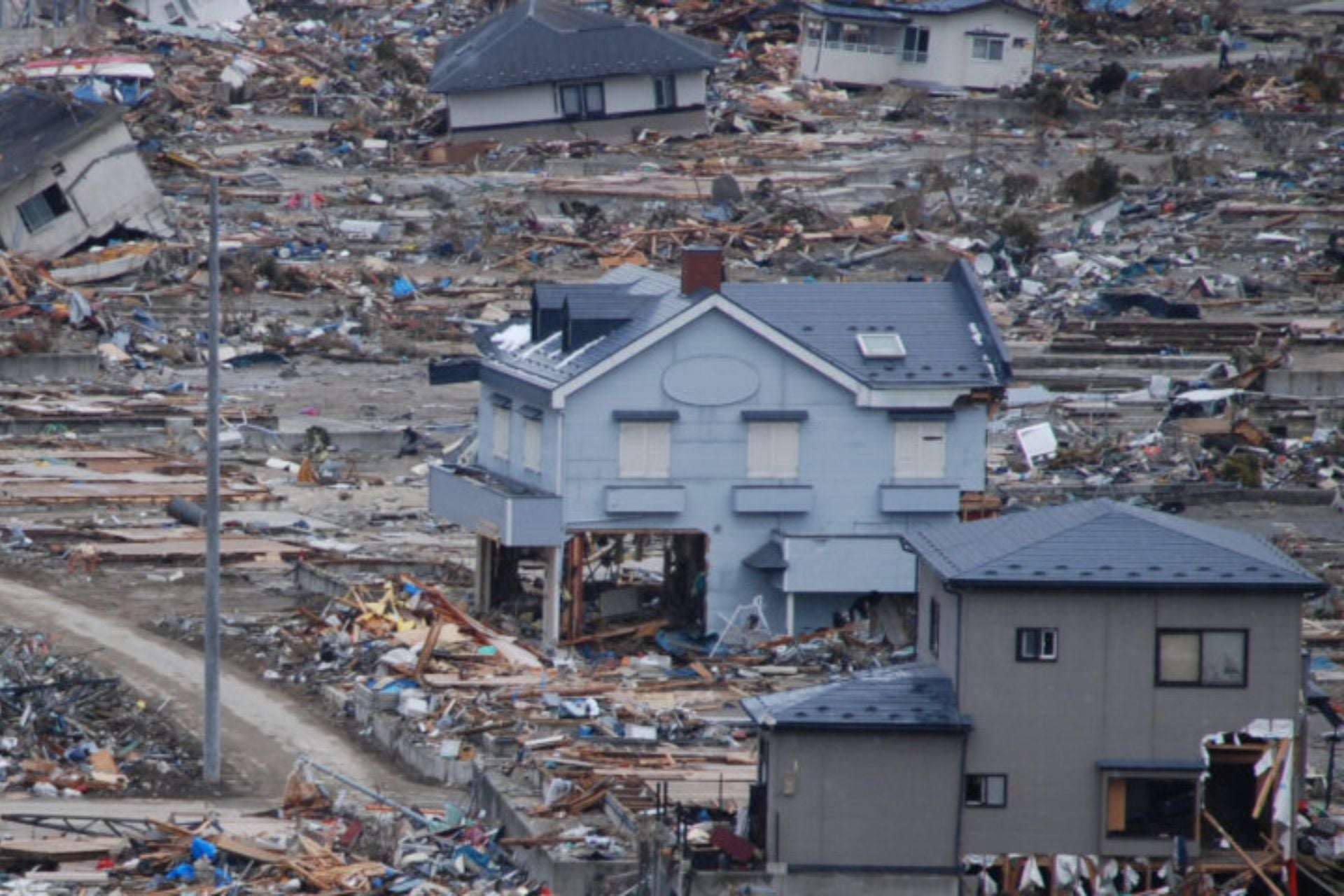
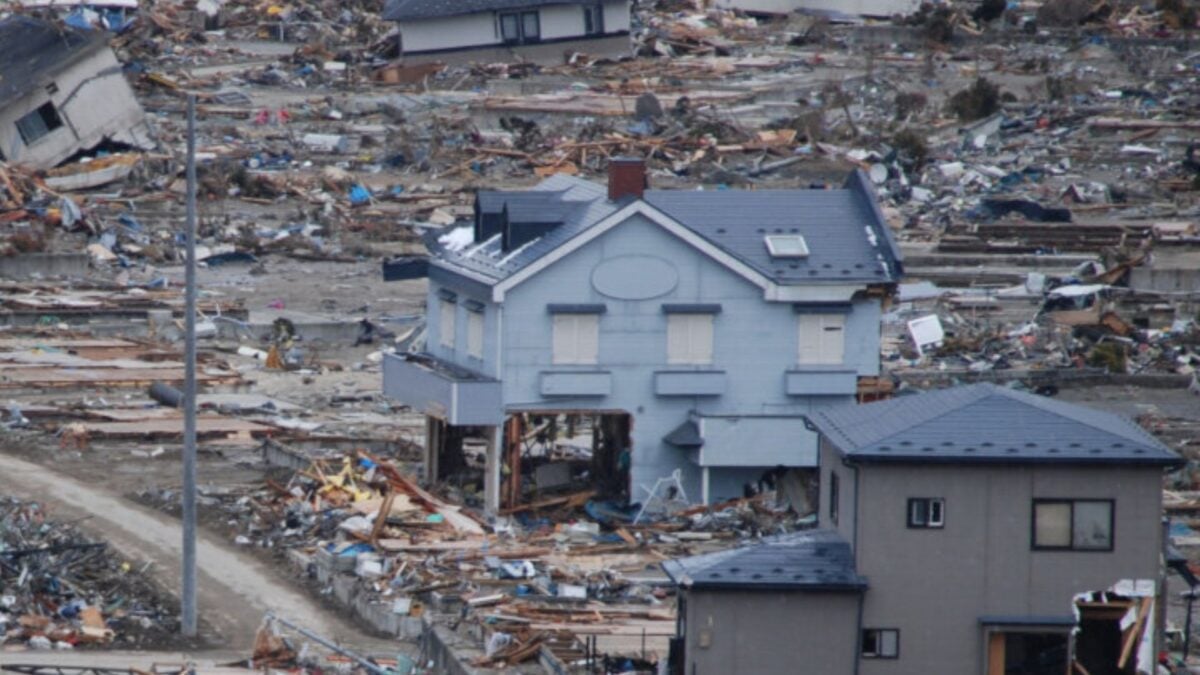
Park noted that the shift likely went unnoticed by people in Japan because it occurred gradually over minutes. Without offshore GPS data, it is possible the movement extended beyond the length of Japan. The researchers are now investigating whether similar events have occurred at other subduction zones, such as the San Andreas Fault in the western United States, though data limitations may pose challenges. The study underscores that even years after a major disaster, seismologists continue to learn from the Tohoku quake, which killed more than 18,000 people and caused an estimated $220 billion in damage.
Why This Matters
This discovery reveals that large earthquakes can trigger unexpected, widespread ground shifts minutes after the main shaking stops. For disaster planners and infrastructure engineers, it means emergency response protocols may need to extend beyond the immediate aftershock window, and seismic hazard models should account for delayed, core-reflected waves that can affect entire regions far beyond the rupture zone. It also opens a new avenue for understanding earthquake triggering along fault lines like the San Andreas.
Timeline & Sources
Mar 11, 2011
WireMagnitude 9.0 Tohoku-Oki earthquake strikes off northeast coast of Honshu, Japan
Mar 11, 2011
WireScS seismic wave, having bounced off Earth's core, returns to surface and causes entire Japan to shift eastward by up to 6 millimeters over 100-200 seconds
Jun 18, 2026
WireStudy led by Sunyoung Park published in Science, revealing the phenomenon