Emerging
Jun 23, 2026 Major2
81%
SEBI Proposes Direct Market Access for Retail Investors, Overhauls Technology Regulations
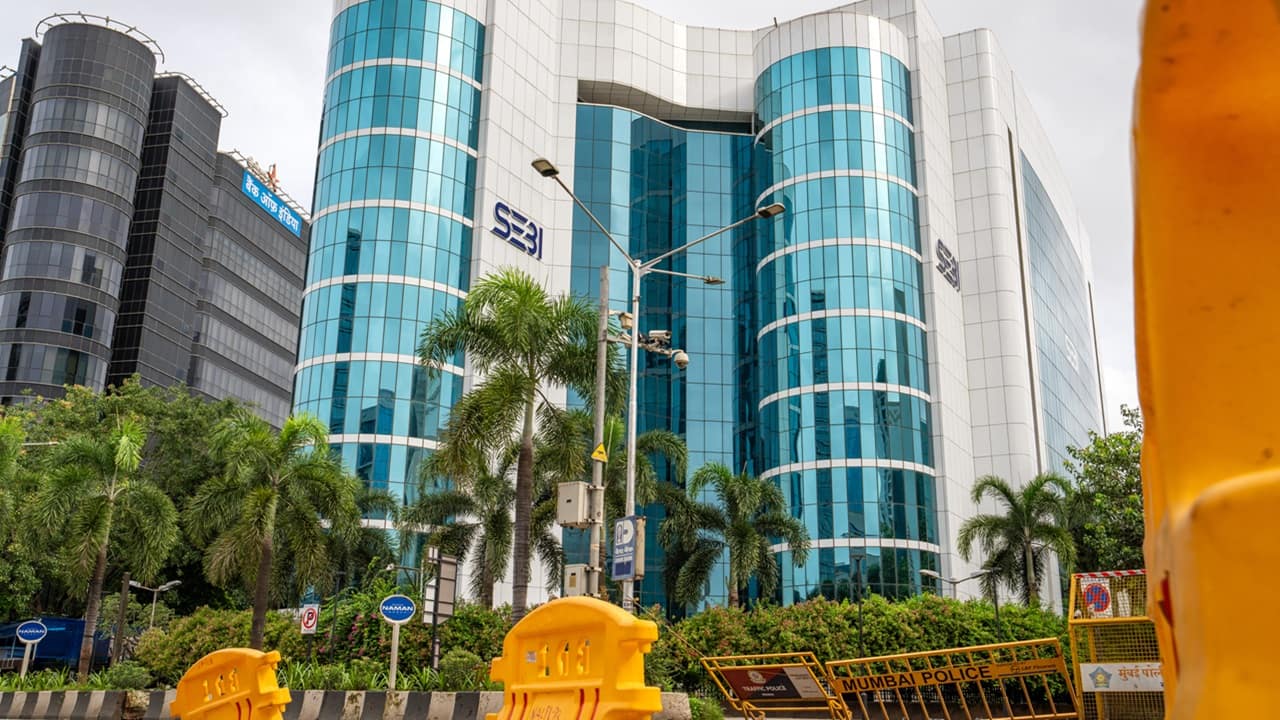
SEBI has proposed expanding Direct Market Access to retail investors and overhauling technology regulations for exchanges, aiming to simplify rules and reduce compliance burdens. The consultation paper, part of an 'ease of doing business' initiative, also includes merging provisions for securities and commodity derivatives exchanges, removing outdated requirements, and updating cybersecurity standards. Public comments are invited until July 13, 2026.



Quick Facts
Who
Securities and Exchange Board of India (SEBI)
What
Proposed expansion of Direct Market Access to retail investors
When
June 23, 2026
Where
India
- Proposed expansion of Direct Market Access to retail investors
- Removal of restriction limiting DMA to institutional clients
- Widening DMA scope in commodity derivatives segment
- Deletion of investment manager registration requirement for DMA
- Creation of single consolidated master circular for exchanges
The Securities and Exchange Board of India (SEBI) has unveiled a sweeping proposal to expand Direct Market Access (DMA) to all market participants, including retail investors, as part of a major overhaul of technology regulations governing stock exchanges and other market infrastructure institutions (MIIs). The move, detailed in a consultation paper released on June 23, 2026, aligns with SEBI's 'ease of doing business' initiative and aims to simplify regulatory requirements while reducing compliance burdens.
Currently limited to institutional clients, DMA allows investors to place buy and sell orders directly into an exchange's trading system through a broker's infrastructure, bypassing manual intervention by the broker's dealer. SEBI's proposal would remove this restriction, enabling retail investors and other client categories to access the facility, subject to prescribed risk management and operational safeguards. The regulator noted in its consultation paper that "with technological advancement, benefits arising out of DMA may be passed on to other categories of clients."
Beyond expanding DMA, SEBI has proposed widening its scope in the commodity derivatives segment by removing the existing reference to foreign portfolio investors (FPIs), allowing all eligible investors to use the facility. The regulator also seeks to delete the requirement that investment managers placing DMA orders must be registered with SEBI, while maintaining that clients remain contractually responsible for their managers' actions. Additionally, SEBI has suggested introducing a single-window registration system for brokers offering smart order routing services and ending certain routine reporting to SEBI, with oversight shifted to exchanges' Standing Committees on Technology (SCOT).
The DMA proposal is part of a broader consolidation of technology-related regulations. SEBI aims to merge provisions applicable to securities and commodity derivatives exchanges into a single master circular, while creating a separate circular for common IT requirements such as cybersecurity, disaster recovery, system audits, and capacity planning. This restructuring could reduce the size of the master circular for exchanges by nearly 50 percent, according to the regulator. Outdated rules, including those governing trading through Wireless Application Protocol (WAP), have been proposed for removal.
SEBI has also updated cybersecurity requirements, replacing references to specific encryption standards with a mandate for strong, up-to-date cryptographic protocols, and proposing mandatory two-factor authentication and enhanced firewall practices. The regulator has invited public comments on the consultation paper until July 13, 2026, after which it will finalize the revised master circular. The package includes proposals on liquidity enhancement schemes, client code modification frameworks, and the merger of investor protection funds across equity and commodity segments.
Topics
Why This Matters
This proposal could democratize trading by giving retail investors the same direct order routing capabilities as institutional clients, potentially reducing transaction costs and execution delays. For market participants, the consolidation of regulations and removal of outdated requirements will simplify compliance, while enhanced cybersecurity mandates (e.g., two-factor authentication) improve market safety. Brokers and exchanges must prepare for system upgrades and new registration processes by the July 13, 2026 comment deadline to influence final rules.
Timeline & Sources
Jun 23, 2026
WireSEBI releases consultation paper proposing DMA expansion and technology regulation overhaul
Jul 13, 2026
WireDeadline for public comments on the consultation paper